 ultimate-guide
Average Cost of Home Repairs: 2026 Guide
Table of Contents
- What Drives the Average Cost of Home Repairs
- Common Home Repair Categories and Typical Cost Ranges
- Handyman Hourly Rates and What They Cover
- Budgeting Rules: The 1% Rule vs. Square Footage Method
- Emergency Home Repair Costs vs. Routine Maintenance
- Annual Home Maintenance Checklist to Control Repair Costs
- DIY vs. Professional Repairs: When Each Makes Financial Sense
- Repair Prioritization Matrix: Where to Spend First
- Frequently Asked Questions
Last Updated: September 1, 2026
What Drives the Average Cost of Home Repairs
The average cost of home repairs is one of the most searched questions homeowners ask, and one of the least honestly answered. Most estimates online are national averages that ignore the two variables that actually move the needle: how old your home is and how big it is. Understanding what drives repair costs is the first step toward building a realistic home maintenance budget. Two homes on the same street can have dramatically different annual upkeep costs based on system age, deferred maintenance, and the complexity of the work involved.
Property Age and System Condition
Older homes carry higher repair frequency and higher per-job costs. Major systems, HVAC, plumbing, roofing, electrical, have finite lifespans. When multiple systems approach end-of-life simultaneously, repair costs compound quickly.
A home built before 1980 likely runs on original plumbing infrastructure, which may include galvanized steel pipes prone to corrosion. Roofing lifespan for standard asphalt shingles runs roughly 20-30 years according to National Roofing Contractors Association guidance, meaning a 35-year-old home has almost certainly needed at least one full replacement. Electrical panels in older homes often predate modern load requirements and may require upgrading before they become a safety issue. The practical implication: if your home inspection report flagged deferred maintenance items, those costs don't disappear. They grow.
Home Size and Scope of Work
Square footage affects costs in two ways. Larger homes have more surface area to maintain, more roofing, exterior paint, flooring, and HVAC capacity. They also tend to have more systems running simultaneously, which increases the probability of something failing in any given year. A 1,200-square-foot home and a 3,500-square-foot home are not in the same budget category, even if they're the same age.
Common Home Repair Categories and Typical Cost Ranges
The biggest mistake homeowners make is treating all repairs as equivalent line items. Structural repairs and capital improvements, like HVAC system replacement or a full roof, are categorically different from routine maintenance tasks like caulking windows or replacing a faucet fixture.
| Repair Category | Typical Scope | Frequency | DIY Viable? |
|---|---|---|---|
| Roof repair (minor) | Flashing, shingles, sealing | Every 3-5 years | Sometimes |
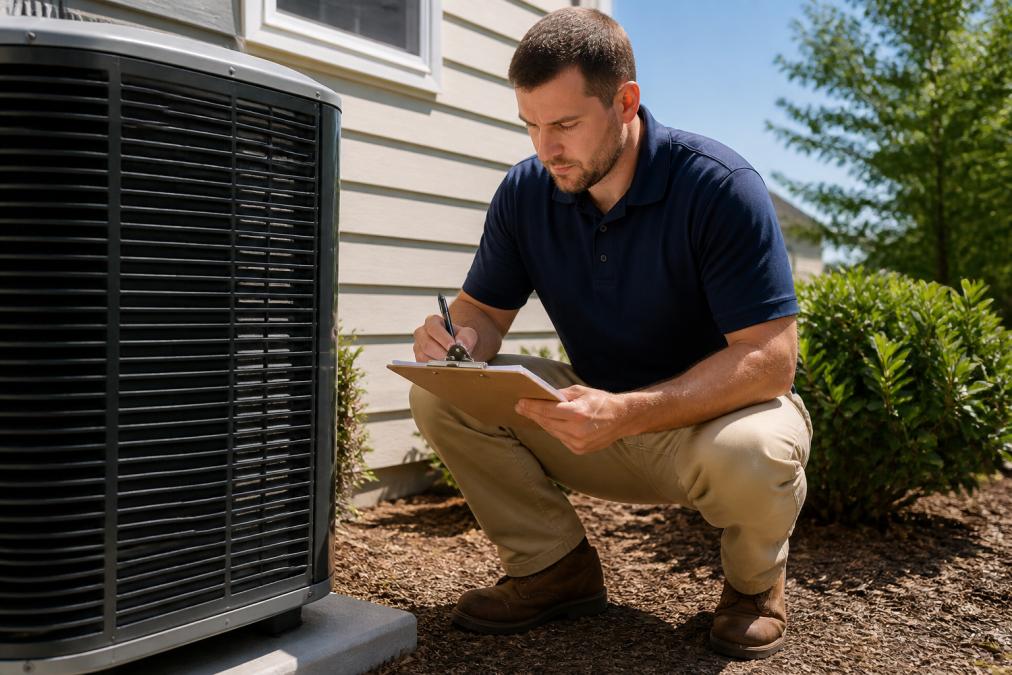
| HVAC service/repair | Filter, coils, refrigerant | Annually + as needed | Rarely |
| Plumbing fixtures | Faucets, toilets, valves | Every 5-10 years | Often |
| Drywall repair | Patching, finishing, priming | As needed | Yes |
| Interior/exterior painting | Full repaint | Every 5-10 years | Yes |
| Carpentry repairs | Trim, cabinets, doors | As needed | Sometimes |
| Appliance repair | Varies by appliance | As needed | Rarely |
| Electrical maintenance | Outlets, switches, panels | As needed | Rarely |
Roofing, HVAC, and Plumbing
These three categories represent the highest-cost repair exposure for most homeowners. HVAC system replacement and full roof replacement are major capital outlays. Plumbing fixtures are more granular, replacing a single faucet is manageable, but addressing a slab leak or water heater failure moves into higher cost territory quickly.
Carpentry, Drywall, and Painting
These categories tend to be more predictable and more amenable to DIY. Drywall patching, trim repairs, and interior painting are skills many homeowners can develop. For exterior painting on multi-story homes, professional execution is both safer and more durable. Carpentry repairs vary widely, cabinet door rehinging is a half-day job, while custom woodwork or deck rebuilds are different animals entirely.
Handyman Hourly Rates and What They Cover
Handyman hourly rates are commonly misunderstood. The rate itself tells you less than you think. What matters is what's included: does the rate cover materials, or just labor? Is there a minimum charge or service call fee? How does the contractor handle jobs that expand in scope once work begins?
Many homeowners focus on finding the lowest hourly rate, then get surprised when the final invoice is higher than expected. An experienced professional completing a job in two hours at a higher rate often costs less than a less experienced contractor taking four hours at a lower rate, and produces better results.
Factors that affect effective hourly cost include minimum job charges, travel and service call fees, material markup versus pass-through pricing, licensing and insurance overhead, and specialization premiums for electrical, plumbing, or structural work. For multi-task jobs combining painting, drywall, and carpentry in a single visit, a full-service handyman typically delivers better value than calling three separate specialists.
Budgeting Rules: The 1% Rule vs. Square Footage Method
Two frameworks dominate home maintenance budgeting advice, and both are worth knowing because they produce very different numbers for the same home.
The 1% Rule states that homeowners should budget approximately 1% of their home's purchase price annually for maintenance and repairs. For a $400,000 home, that's $4,000 per year. The appeal is simplicity; the flaw is that home prices reflect market conditions, not physical condition.
The Square Footage Method suggests budgeting $1-2 per square foot annually. For a 2,000-square-foot home, that produces an annual budget estimate of $2,000-$4,000. This method correlates more directly with the physical scale of what needs maintaining.
Neither rule is precise. Both are starting points. The most accurate home maintenance budget comes from a recent home inspection report that catalogs actual system ages and deferred maintenance items. For inflation-adjusted repair forecasting, construction labor costs and material expenses have risen meaningfully in recent years. According to Bureau of Labor Statistics producer price data, construction materials costs have experienced sustained increases. Budgets set three to five years ago may underestimate current repair costs by a meaningful margin.
Emergency Home Repair Costs vs. Routine Maintenance
Routine maintenance and emergency repairs are not the same budget category, and treating them as one is a planning failure that hits hard when a system fails unexpectedly.
Routine maintenance is scheduled, predictable, and preventative. Changing HVAC filters, cleaning gutters, caulking windows, and inspecting the roof annually are maintenance schedule items with modest costs spread across the year. Preventative maintenance extends system lifespan and reduces the probability of emergency spending.
Emergency home repair costs are unscheduled, often urgent, and frequently larger. A burst pipe at 11pm, a furnace failure in January, or a roof leak during a storm carry premium labor costs, after-hours rates, and expedited service fees on top of standard material expenses.
Home Warranty vs. Emergency Fund: Which Protects You Better
Home warranties cover specific systems and appliances against failure, subject to contract terms, exclusions, and service call fees per claim. They provide predictable cost exposure and can be valuable for older homes with aging appliances. The limitations are real: coverage exclusions are common, claim approval is not guaranteed, and the contractor is assigned by the warranty company, not chosen by you.
Emergency repair funds give you full control. You choose the contractor, control the timeline, and there are no exclusions. The drawback is that building a meaningful fund takes time, and a major system failure in year one can drain it before it's fully funded.
Many financial advisors recommend both: a home warranty for appliance and system coverage, paired with a liquid emergency fund of three to six months of estimated repair costs. According to Consumer Financial Protection Bureau homeownership guidance, maintaining accessible liquid savings is a core component of sustainable homeownership financial planning.
Call 720-989-4123 for a free estimate →
Annual Home Maintenance Checklist to Control Repair Costs
An annual home maintenance checklist is the single most effective tool for controlling repair costs over time. Preventative maintenance catches small problems before they become expensive ones.
Spring:
- Inspect roof for winter damage (missing shingles, flashing issues)
- Clean gutters and downspouts
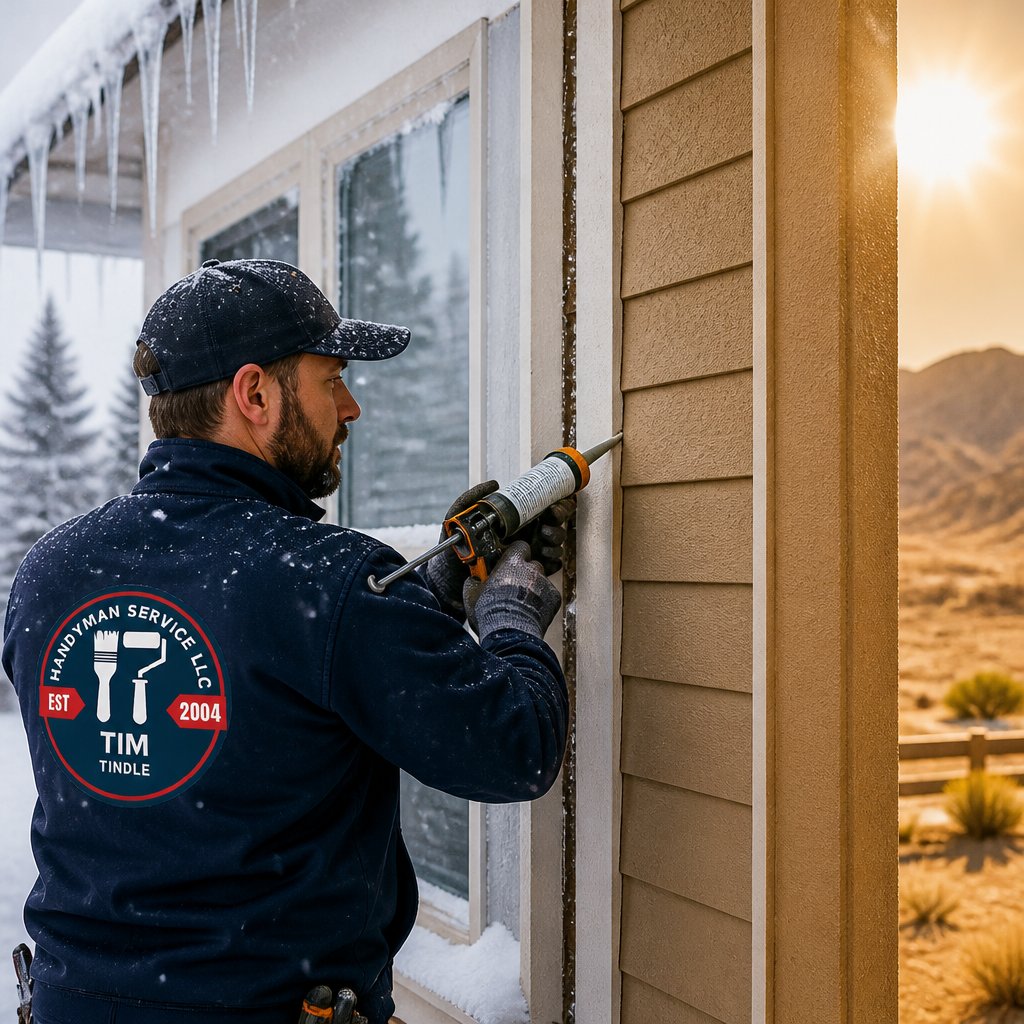
- Check exterior caulking around windows and doors
- Service HVAC system before cooling season
- Inspect deck or patio for wood rot, loose fasteners
- Test smoke and carbon monoxide detectors
Summer:
- Check attic ventilation and insulation condition
- Inspect plumbing fixtures for slow leaks
- Clean dryer vent duct
- Repaint or reseal exterior surfaces showing wear
Fall:
- Service heating system before heating season
- Drain and winterize exterior hose bibs
- Inspect chimney and fireplace (if applicable)
- Check weatherstripping on all exterior doors
- Clean gutters again after leaf fall
Winter:
- Monitor for ice dam formation on roof edges
- Check basement and crawl space for moisture
- Inspect water heater for signs of corrosion or sediment
- Test GFCI outlets in bathrooms and kitchen
This maintenance schedule, followed consistently, reduces repair frequency and extends the lifespan of major systems.
DIY vs. Professional Repairs: When Each Makes Financial Sense
The DIY vs. professional repair decision comes down to three variables: skill level required, safety risk, and the cost of a mistake.
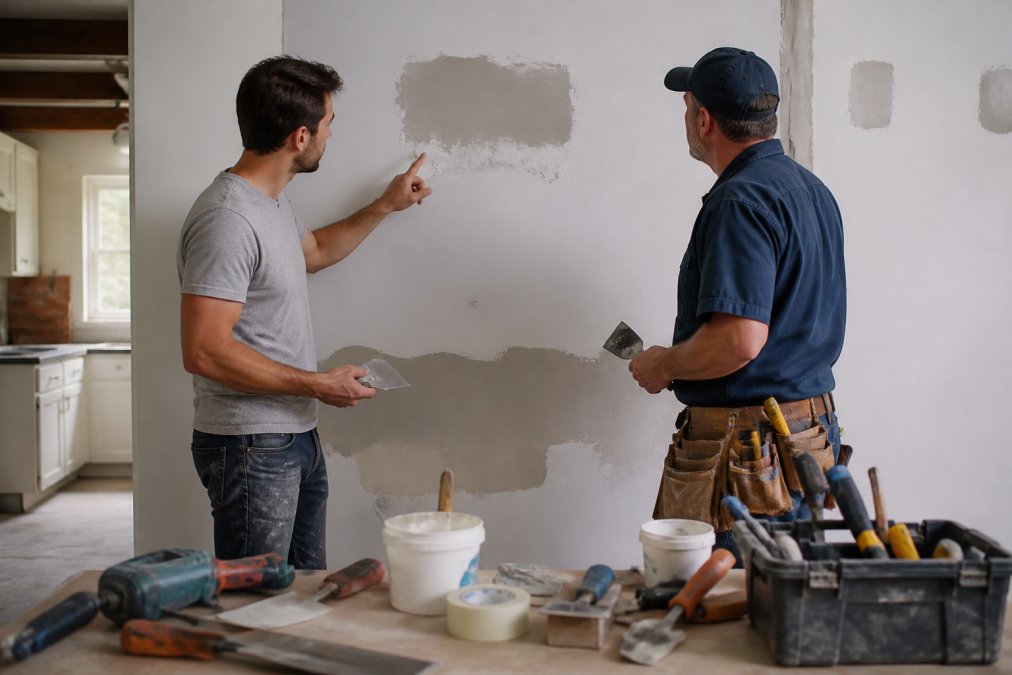
DIY makes financial sense for:
- Drywall patching and finishing (small holes)
- Interior painting (prep is everything)
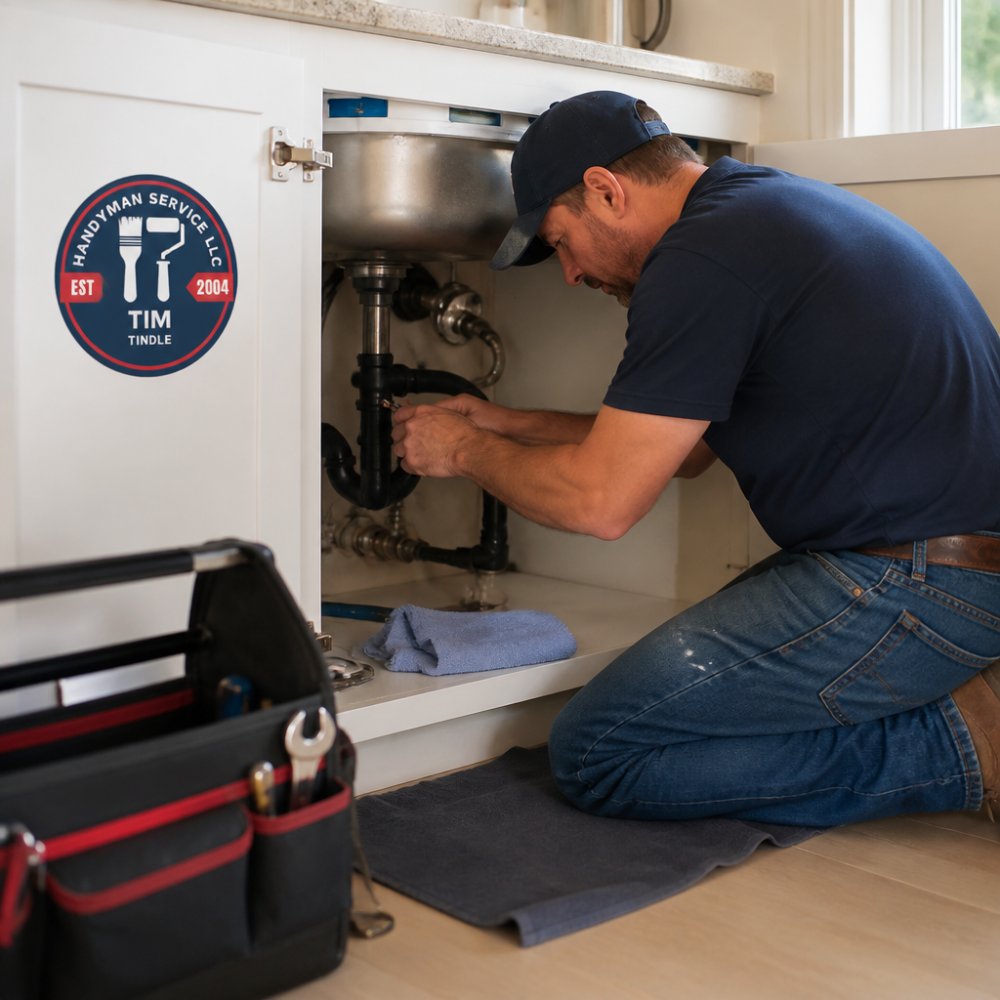
- Replacing plumbing fixtures like faucets and showerheads
- Installing light fixtures (with power off)
- Caulking and weatherstripping
- Minor carpentry: door hardware, cabinet hinges, trim touch-ups
Professional repair is worth the cost for:
- Any work involving the electrical panel or new circuits
- Structural repairs, including load-bearing wall modifications
- HVAC system diagnosis, refrigerant handling, or replacement
- Roofing repairs above single-story height
- Plumbing work involving supply lines, drain lines, or water heater replacement
- Any job requiring a permit
The math on DIY is not always what it appears. Factor in your time, the cost of tools you don't own, and the probability of a redo. A drywall patch that takes a professional 45 minutes may take a first-timer four hours and two attempts.
Repair Prioritization Matrix: Where to Spend First
Not all repairs are equal. When budgets are constrained, knowing where to spend first prevents small problems from becoming expensive ones.
| Priority | Category | Criteria | Examples |
|---|---|---|---|
| 1, Immediate | Safety and structural | Risk of injury, system failure, or water intrusion | Roof leak, electrical hazard, burst pipe |
| 2, High | System health | Deferred maintenance causing accelerating damage | HVAC service overdue, failing water heater |
| 3, Medium | Preventative | Items that prevent future Category 1 or 2 issues | Caulking, gutter cleaning, weatherstripping |
| 4, Low | Cosmetic | No functional impact on systems or safety | Paint touch-ups, minor trim repairs |
The most common planning error is spending on Category 4 items while Category 2 items accumulate. A freshly painted living room does nothing for a water heater that's 14 years old and showing rust at the base. Home equity is a long-term function of system health and structural condition, not cosmetic updates.
For homeowners managing multiple repair needs simultaneously, a home inspection report provides the most reliable basis for prioritization. According to U.S. Department of Housing and Urban Development homeownership resources, maintaining the structural and mechanical condition of a home is foundational to preserving its long-term value and habitability.
Homeowners face a real challenge: repair costs are unpredictable, estimates vary widely, and the consequences of getting it wrong compound over time. Handyman Service Aurora works with homeowners throughout the Denver Metro area to take the guesswork out of that process. Our team is licensed and insured, handles everything from carpentry and drywall to painting and general repairs, and provides free estimates so you know what you're committing to before work begins. Call 720-989-4123 to schedule your free estimate and get a clear picture of what your home actually needs.
Frequently Asked Questions
What is the most costly repair on a house?
Structural and major system failures tend to carry the highest price tags. Foundation repairs, roof replacements, and HVAC system replacements are consistently among the most expensive projects homeowners face. Roofing and foundation work in particular can run into tens of thousands of dollars depending on the extent of damage, the size of the home, and local labor costs. Catching these issues early through regular inspections and preventative maintenance is the most reliable way to limit out-of-pocket costs.
How much should I budget for house repairs each year?
Two widely used rules give a starting point. The 1% Rule suggests setting aside 1% of your home's purchase price annually for maintenance and repairs. The square footage method recommends budgeting roughly $1 per square foot per year. Older homes and properties with aging major systems often need more. The right number for your home depends on its age, condition, and recent capital improvements. A home inspection report can help you identify deferred maintenance and forecast near-term repair spending.
What factors influence the cost of professional handyman services?
Handyman hourly rates vary based on the type of work, the complexity of the job, and the contractor's licensing and insurance status. Service call fees, material expenses, and travel time also affect the final bill. Jobs requiring licensed trade work, such as electrical or plumbing repairs, typically cost more than general carpentry or painting. Getting a detailed, written estimate before any work begins is the best way to avoid surprise charges and compare what different providers actually include.
Is a monthly maintenance budget of $300 realistic?
$300 per month ($3,600 per year) is a reasonable baseline for many mid-sized homes, but it depends on your property. For a 2,000-square-foot home, the square footage method suggests roughly $2,000 per year; the 1% rule on a $400,000 home points to $4,000. A $300 monthly budget sits in that range and can cover routine maintenance and minor repairs. It will not, however, absorb a major system failure without tapping additional savings or an emergency repair fund.
How do I prioritize home repairs when on a budget?
Start with repairs that protect the home's structure and prevent water intrusion: roof leaks, foundation cracks, and plumbing failures. Next, address anything that affects safety, such as electrical issues or HVAC failures in extreme weather. Cosmetic repairs and upgrades come last. A simple repair prioritization matrix, ranking each issue by urgency and consequence of delay, helps you allocate a limited home maintenance budget without letting deferred maintenance compound into larger, more expensive problems.
What are the most common home repairs homeowners face?
The most frequent repairs involve plumbing fixtures, HVAC servicing, roof maintenance, drywall patching, and appliance issues. Exterior painting and carpentry repairs, including door and window adjustments, also appear regularly on homeowner lists. Many of these are predictable and can be scheduled as part of an annual home maintenance checklist, which reduces emergency spending and keeps repair frequency manageable. Catching small issues early, like a slow drain or a loose shingle, almost always costs less than addressing the failure they eventually cause.
This article was written using GrandRanker