 ultimate-guide
Maintaining Home Exterior Seals in Extreme Climates
Table of Contents
- Why Extreme Climates Demand Different Exterior Seal Protection
- How to Seal Gaps Around Windows and Doors
- Best Exterior Caulk for Temperature Changes
- Window and Door Seal Inspection: What to Look For
- Signs Exterior Caulking Needs Replacement
- Seasonal Maintenance Checklist for Exterior Seals
- Preventing Water Intrusion and Moisture Damage
- When to Call a Professional for Exterior Seal Repair
- Frequently Asked Questions
Last Updated: October 19, 2026
Why Extreme Climates Demand Different Exterior Seal Protection
Maintaining home exterior seals in extreme climates requires a fundamentally different approach.
Quality caulking can fail within two years if homeowners don't account for intense UV exposure and dramatic temperature swings. The difference between a five-year and fifteen-year seal often comes down to material selection and application timing.
Extreme climates accelerate seal failure through several mechanisms: thermal expansion and contraction stress joints, UV radiation breaks down caulk elasticity, moisture intrusion exploits tiny gaps and causes wood rot, and salt air corrodes metal components.
How to Seal Gaps Around Windows and Doors
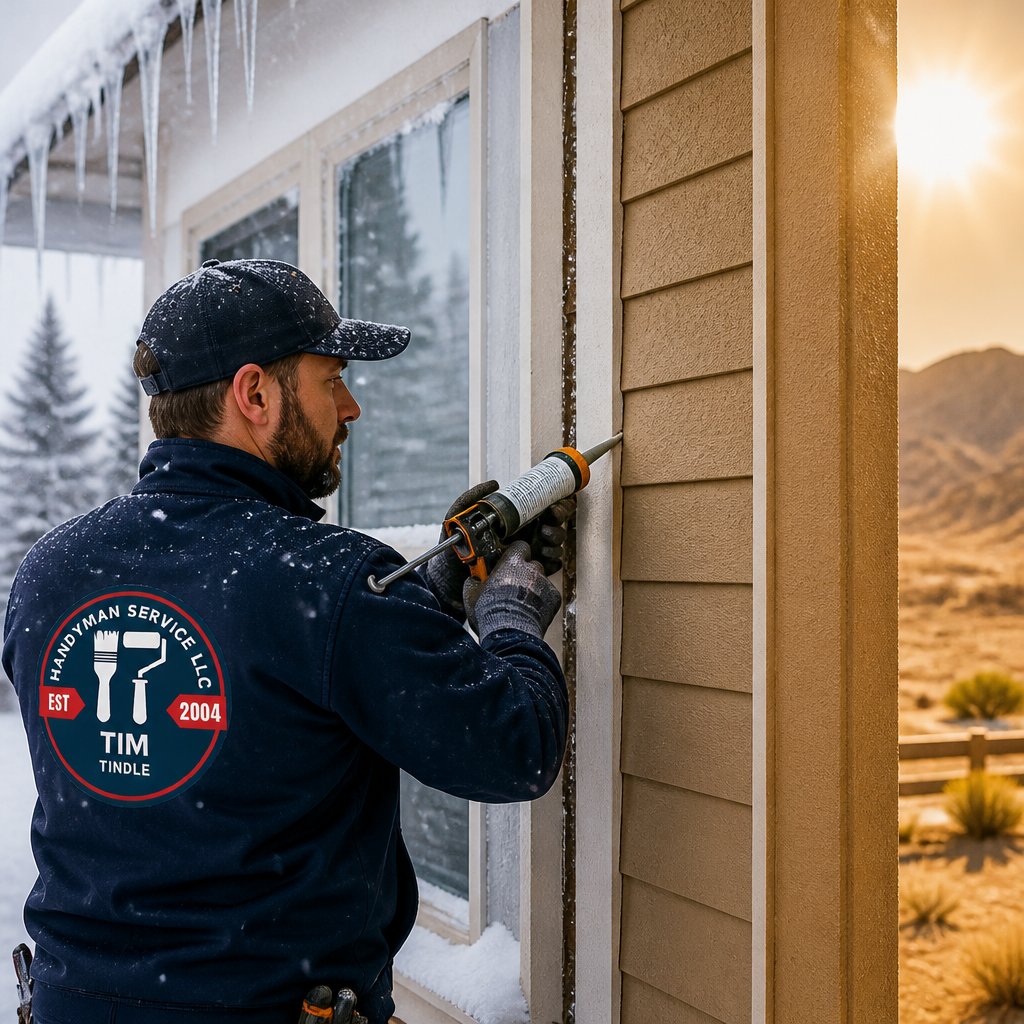
Sealing gaps around windows and doors is the foundation of exterior protection, but technique matters as much as material, improper preparation or application causes even premium sealant to fail prematurely.
Identify all gaps: along the perimeter where frames meet exterior walls, at corners where trim pieces meet, and any visible cracks in existing caulk. In extreme climates, even hairline gaps become pathways for moisture damage.
Remove old, deteriorated caulk with a caulk removal tool or utility knife.
Apply new caulk with steady pressure and smooth, continuous motion.
Best Exterior Caulk for Temperature Changes
Selecting the right caulk for temperature changes is critical in extreme climates, different materials handle thermal stress differently, and choosing wrong guarantees early failure.
Caulk Materials and Climate Suitability
Silicone caulk remains the most durable option for extreme temperature swings, maintaining flexibility from -40 to 200 degrees Fahrenheit.
Polyurethane caulk offers excellent adhesion and flexibility, performing well in freeze-thaw cycles with good water resistance. It can be painted, unlike silicone, but requires careful application and longer cure times.
Acrylic latex caulk is paintable, easy to apply, and affordable, but it has limited flexibility, cracks under significant thermal stress, and degrades quickly in intense UV.
Hybrid sealants combine silicone and polyurethane properties, offering moderate performance, paintability, and decent flexibility, a reasonable cost-performance compromise in moderate-to-severe climates.
Temperature and Weather Limits for Application
Application conditions determine whether your sealant cures properly.
Humidity also affects curing, extreme humidity in either direction can compromise adhesion. Ideal conditions are 50-75 degrees with 40-60 percent humidity.
Applying caulk during or immediately before rain lets water wash away uncured material, and wind can cause surface skinning before the material sets throughout.
In extreme climates, timing matters significantly. Spring and early fall provide the most stable conditions, avoid applying caulk during temperature extremes or immediately before seasonal transitions when rapid temperature changes are likely.
Window and Door Seal Inspection: What to Look For
Regular inspection of window and door seals catches problems early, before water damage spreads. Visual inspection takes minutes but prevents expensive repairs.
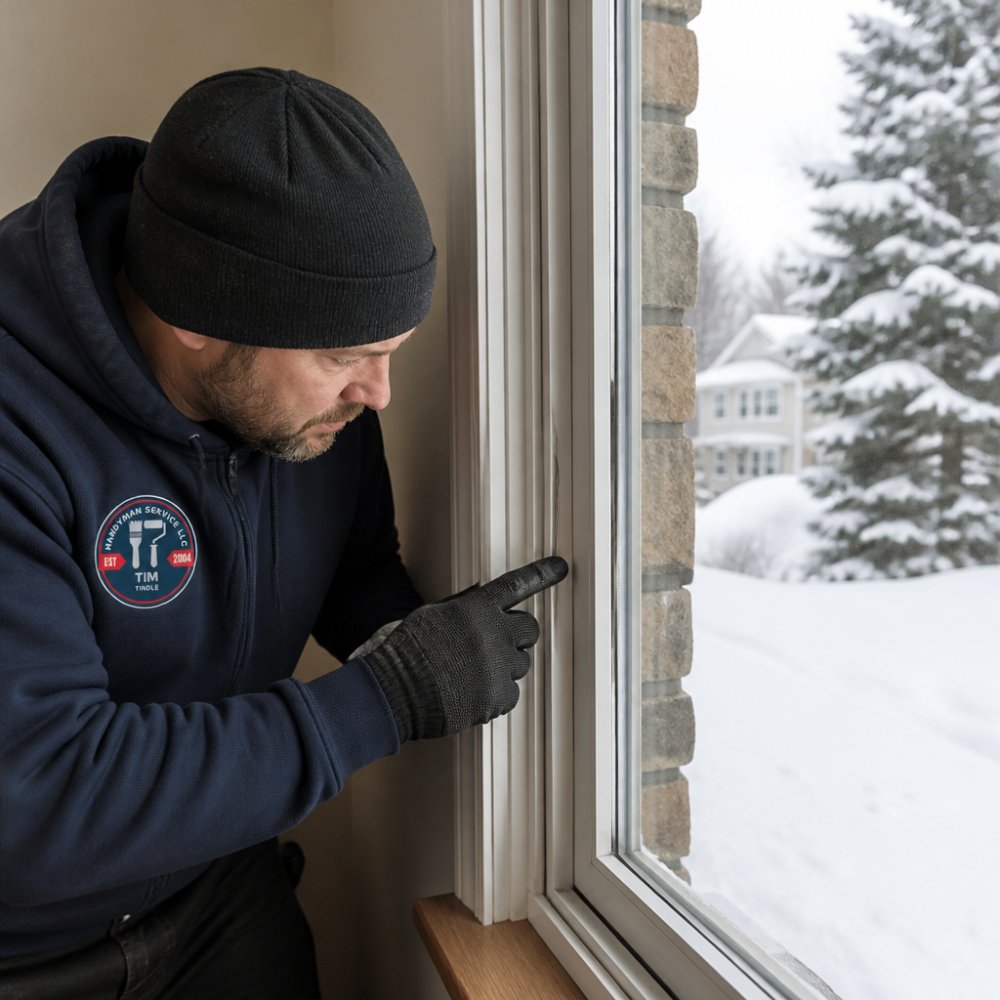
Examine the caulk for cracks, splits, or separation from the substrate. Small cracks indicate thermal stress; larger separations suggest material failure or poor adhesion.
Check weatherstripping around doors for compression, cracking, or gaps. Press it with your finger, it should spring back.
Inspect metal components around windows and doors for corrosion, rust, or oxidation, coastal salt spray accelerates this.
Feel for drafts around closed windows and doors on a windy day, air movement indicates gaps in the seal and potential water intrusion during rain.
Signs Exterior Caulking Needs Replacement
Recognizing when exterior caulking needs replacement prevents water damage and maintains energy efficiency.
Visible cracks or splits are the most obvious sign.
Discoloration, mold growth, or staining indicates material degradation or trapped moisture. Mold suggests the seal is compromised; severe UV discoloration may mean the material is becoming brittle and losing flexibility.
Caulk that feels hard and brittle has lost its ability to accommodate thermal movement. Pinch a small section gently; if it cracks or breaks, replacement is overdue.
Loss of adhesion, where caulk no longer sticks to the substrate and can be picked away, means it's no longer sealing.
Seasonal Maintenance Checklist for Exterior Seals
A systematic maintenance schedule keeps exterior seals functioning year-round and extends seal life significantly.
Summer Heat and Sun Exposure Protection
Summer brings intense UV exposure and thermal stress. UV radiation degrades caulk compounds and accelerates material breakdown.
Inspect all exterior seals in early summer before peak heat arrives. Look for cracks or separation that developed during spring.
Clean gutters and downspouts in mid-summer to ensure water drains away from the home.
Consider applying UV-protective coatings to exterior caulk if your climate features intense sun exposure. Some silicone caulks accept protective coatings that extend UV resistance.
Call 720-989-4123 for a free estimate →
Trim vegetation away from windows and doors to improve air circulation and reduce moisture accumulation. Wet leaves against seals trap moisture and accelerate deterioration.
Winter Freezing and Freeze Damage Prevention
Winter freeze-thaw cycles create extreme stress on exterior seals. Water that enters gaps freezes, expands, and forces caulk apart.
Before winter arrives, inspect all seals for cracks or gaps. Repair or replace any failed caulk before freezing temperatures arrive.
Ensure gutters are clear of debris so water drains properly rather than backing up near roof edges and running down exterior walls.
Check weatherstripping around doors before winter. Damaged weatherstripping allows cold air and moisture to enter. Replace any weatherstripping that's compressed or cracked.
Inspect the foundation and basement for signs of water intrusion.
After winter, inspect seals again for damage from freeze-thaw cycles.
Preventing Water Intrusion and Moisture Damage
Water intrusion is the primary threat to home integrity in extreme climates.
The building envelope, the layer of materials that separates interior from exterior, depends on continuous, intact seals.
Water intrusion often begins at joints and transitions, where different materials meet, where trim meets siding, where windows and doors connect to walls.
Establish a maintenance routine that includes regular inspection of all exterior joints and seals.
Ensure proper drainage around the foundation and away from the home.
Maintain gutters and downspouts to prevent water overflow.
According to the EPA's guidance on moisture management in homes, controlling moisture is essential to preventing mold and structural damage.
When to Call a Professional for Exterior Seal Repair
Some exterior seal work is well within a homeowner's capability, but certain situations require professional expertise. Knowing when to call a professional prevents costly mistakes and ensures repairs meet building standards.
Call a professional when seals have failed around complex areas like skylights, roof penetrations, or corners where multiple materials meet.
If you discover active water intrusion, water actively entering the home during rain, stop attempting DIY repairs and call a professional immediately.
When seals have failed and water damage is visible, staining, mold, soft wood, or structural damage, professional repair is necessary.
For large-scale seal replacement involving multiple windows and doors, professional application ensures consistency and proper technique.
If you're uncertain about material selection for your specific climate, a professional can recommend the best sealant for your conditions.
The National Association of Home Builders' guidance on building envelope integrity emphasizes that professional assessment of seal performance and water intrusion is essential for maintaining home durability.
| Climate Condition | Recommended Sealant | Application Season | Inspection Frequency |
|---|---|---|---|
| Extreme temperature swings | Silicone or polyurethane | Spring or early fall | Twice yearly |
| High UV exposure | UV-resistant silicone | Spring | Twice yearly |
| Freeze-thaw cycles | Silicone or polyurethane | Before winter | After winter |
| Coastal salt spray | Marine-grade silicone | Spring | Quarterly |
| Moderate climates | Acrylic latex or hybrid | Spring or fall | Annually |
Frequently Asked Questions
How often should you inspect exterior caulking and weatherstripping?
Inspect exterior seals at least twice yearly: once in spring after winter freeze damage and once in fall before cold weather arrives. In extreme climates with intense temperature swings, quarterly inspections catch problems earlier. Check immediately after severe storms, heavy snow, or extended heat waves. Most homeowners miss early signs of deterioration, so establish a routine inspection schedule tied to seasonal changes. Look for gaps, cracks, peeling caulk, and compromised weatherstripping during each visit.
What type of caulk is best for outdoor use in extreme temperatures?
Silicone and polyurethane caulks handle extreme temperature swings best. Silicone remains flexible in freezing temperatures and resists heat without hardening excessively. Polyurethane offers superior adhesion and durability in harsh UV exposure. Acrylic latex caulk is cheaper but fails faster in extreme climates. For areas experiencing freeze-thaw cycles, choose products rated for your specific temperature range. Application temperature matters too: most exterior caulks require 40°F to 85°F conditions. Verify the product's freeze-thaw cycle rating before purchasing.
How can extreme heat damage exterior seals?
Intense sun exposure causes caulk and weatherstripping to harden, shrink, and crack over time. UV radiation breaks down the material's polymers, reducing flexibility. High temperatures cause expansion and contraction cycles that eventually separate seals from surfaces. Heat accelerates moisture evaporation from caulk, causing it to become brittle. In extreme heat climates, seals degrade faster than in moderate climates. Protect seals by applying UV-resistant products and using overhangs or shade where possible. Inspect heat-exposed seals quarterly rather than semi-annually.
Can you apply exterior caulk in cold weather?
Most exterior caulks cannot be applied below 40°F. Cold temperatures prevent proper curing and adhesion. Silicone-based caulks cure more slowly in cold conditions, and polyurethane may not set correctly. Water-based caulks are especially vulnerable to freezing before they cure. If you must seal gaps before winter, choose products specifically labeled for low-temperature application, though results are often inferior. Plan caulking projects for spring or fall when temperatures are stable. If freeze damage appears mid-winter, wait for a warm spell above 50°F to make repairs.
What is the difference between caulk and weatherstripping?
Caulk is a flexible sealant applied to fill gaps and cracks; it hardens but remains somewhat flexible to accommodate movement. Weatherstripping is a pre-formed seal (foam, rubber, or felt) attached to the edges of doors and windows to block air and moisture. Caulk works best for permanent gaps around fixed elements like siding and trim. Weatherstripping works for moving parts like door frames and operable windows. Many exterior seals require both: caulk fills the gap, and weatherstripping adds an extra barrier. In extreme climates, combining both methods provides superior protection against drafts and water intrusion.
When should you hire a professional to repair exterior seals?
Hire a professional if you notice extensive caulk failure across multiple windows and doors, water stains inside walls or ceilings, or visible structural damage around seals. Professional contractors have access to commercial-grade sealants, proper application tools, and experience with extreme-climate conditions. If you're uncomfortable working at heights or lack caulking experience, professional installation ensures proper adhesion and longevity. For significant water intrusion or foundation settling that has cracked seals, a professional assessment identifies underlying structural issues. Contact a licensed contractor for a free estimate before attempting major seal repairs yourself.
How do you know when exterior caulking needs to be replaced?
Replace caulk when you see visible cracks, gaps, peeling, or separation from the surface. If water pools near seals or you notice drafts, the caulk has failed. Caulk that feels hard and brittle rather than flexible has reached the end of its lifespan. Discoloration, mold growth, or deterioration around seals indicates failure. In extreme climates, caulk may need replacement more frequently than in moderate climates. Perform the simple touch test: press the caulk with your finger. If it cracks or doesn't flex, replacement is overdue. Catching failure early prevents water damage and energy loss.
What maintenance intervals should I follow for extreme climates?
In extreme climates, establish quarterly inspections rather than semi-annual ones. Clean gutters and downspouts monthly during heavy debris seasons. Pressure wash exterior surfaces at low pressure (under 1500 PSI) annually to remove debris without damaging seals. Check weatherstripping before each season change. Reapply caulk every 5-7 years, or sooner if you spot failure. After severe weather events (hail, heavy snow, extreme heat waves), perform immediate inspections. Document inspection dates and findings to track seal performance patterns. This proactive approach catches problems before they cause costly water damage or energy loss.
NFPA guidance on weather resistance and building envelope performance provides technical standards for exterior seal performance that professional contractors follow. The Department of Energy's recommendations for weatherization and energy efficiency emphasizes proper sealing as the foundation of home performance and energy savings.