 ultimate-guide
Best Home Maintenance Checklist 2026
Table of Contents
- Your Home Maintenance Checklist by Season
- Monthly and Quarterly Tasks Every Homeowner Should Do
- Smart Home Maintenance and Energy Efficiency Audits
- Essential Home Repair Tools List for 2026
- Cost of Home Maintenance Per Year: What to Budget
- Hiring a Professional for Home Maintenance: What to Know
- Frequently Asked Questions
Last Updated: September 2, 2026
Your Home Maintenance Checklist by Season
A well-kept home doesn't happen by accident. At Handyman Service Aurora, we've seen firsthand how skipping routine maintenance turns minor issues into expensive repairs. The best home maintenance checklist 2026 organizes your tasks by season, so nothing falls through the cracks and your property holds its value year after year.
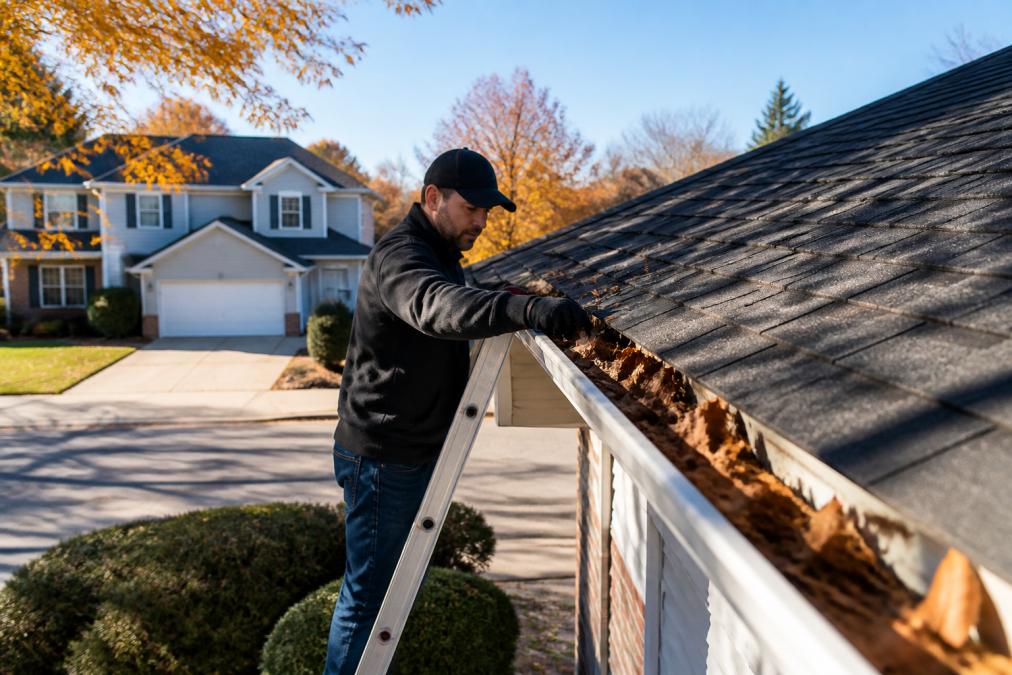
Spring: Roof, Gutters, and Exterior Reset
Spring is the time to assess winter's damage before it compounds. Start outside.
- Inspect roof shingles for cracking, curling, or missing sections
- Clear gutter debris left from fall and winter
- Check downspouts for clogs and confirm water flows away from the foundation
- Look for foundation cracks along the perimeter
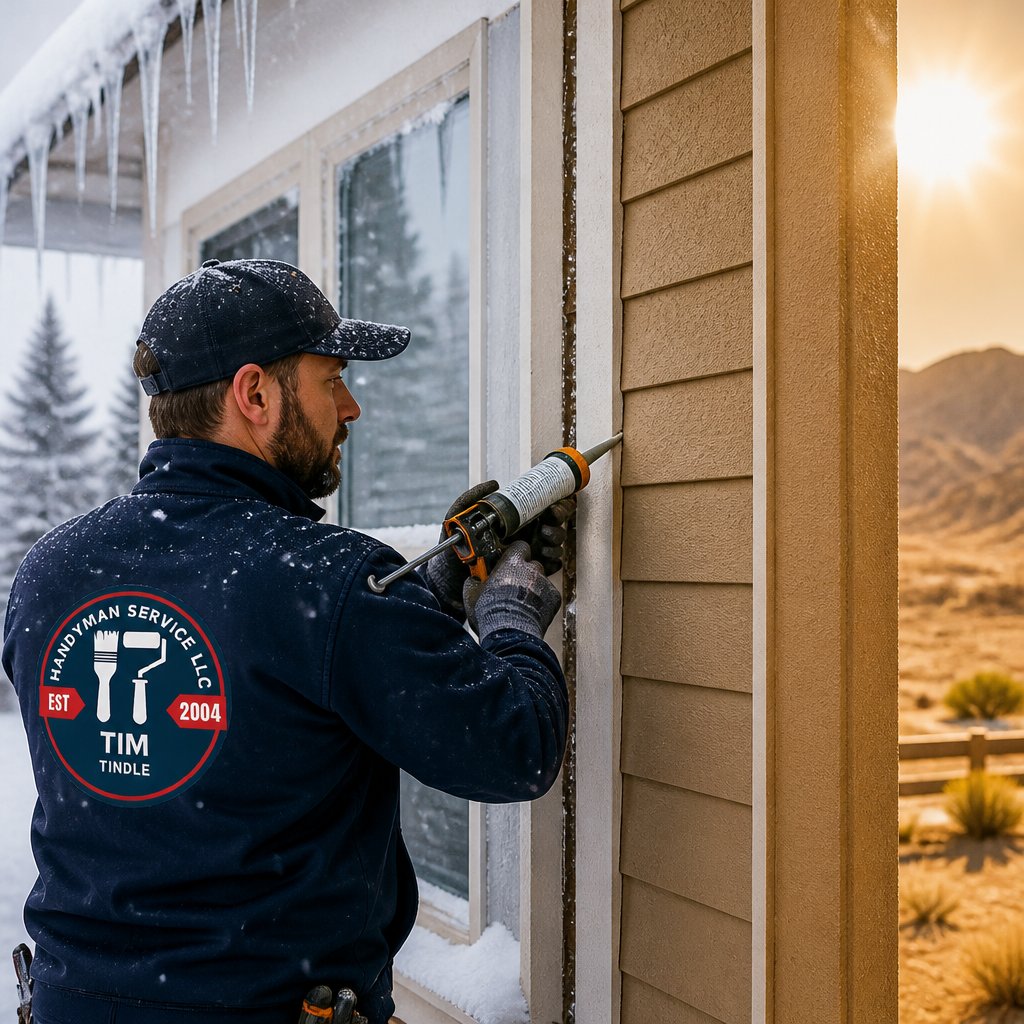
- Inspect exterior caulking around windows and doors; replace where cracked or missing
- Test all exterior faucets and irrigation systems after freezing temperatures
- Clean and inspect the deck or patio for loose boards and deteriorated sealant
Clogged gutters cause water to back up under roofing material and accelerate rot. According to the Insurance Information Institute's home maintenance guidance, water damage is among the most common and costly homeowner insurance claims, and a significant portion is preventable with routine inspection.
Summer: HVAC Tune-Up and Landscaping
Summer places the heaviest demand on your HVAC system. A tune-up before peak heat is essential.
- Schedule a professional HVAC inspection and filter replacement
- Clean or replace air filters (every 1-3 months depending on filter type)
- Clear vegetation and debris from around the outdoor condenser unit
- Check window seals and weatherstripping for gaps that let cool air escape
- Trim trees and shrubs away from the house to reduce pest entry points
- Inspect and clean the dryer vent; lint buildup is a fire hazard
- Test the sump pump if your home has one
A clogged dryer vent forces the dryer to work harder, shortens its lifespan, and creates a fire risk. The U.S. Fire Administration's dryer fire safety resources documents thousands of residential dryer fires annually, the majority caused by failure to clean the vent.
Fall: Weatherstripping, Heating, and Plumbing Prep
Fall is your last window to prepare before cold weather locks in.
- Replace worn weatherstripping on exterior doors and windows
- Schedule a furnace or boiler inspection before the first cold snap
- Drain and shut off exterior hose bibs to prevent pipe bursts
- Flush the water heater to remove sediment buildup
- Check the attic for adequate insulation to prevent ice dams
- Test smoke alarms and carbon monoxide detectors; replace batteries
- Clean gutters again after leaves have fully fallen
Pipes that freeze and burst cause serious structural damage. Draining exterior lines and insulating exposed pipes in unheated spaces is straightforward preventative maintenance that pays for itself the first cold winter.
Winter: Safety Systems and Interior Checks
Winter maintenance shifts indoors. Your focus is safety systems, appliances, and the interior envelope.
- Test smoke alarms and carbon monoxide detectors monthly
- Inspect and recharge fire extinguishers; check the gauge and confirm the pin is intact
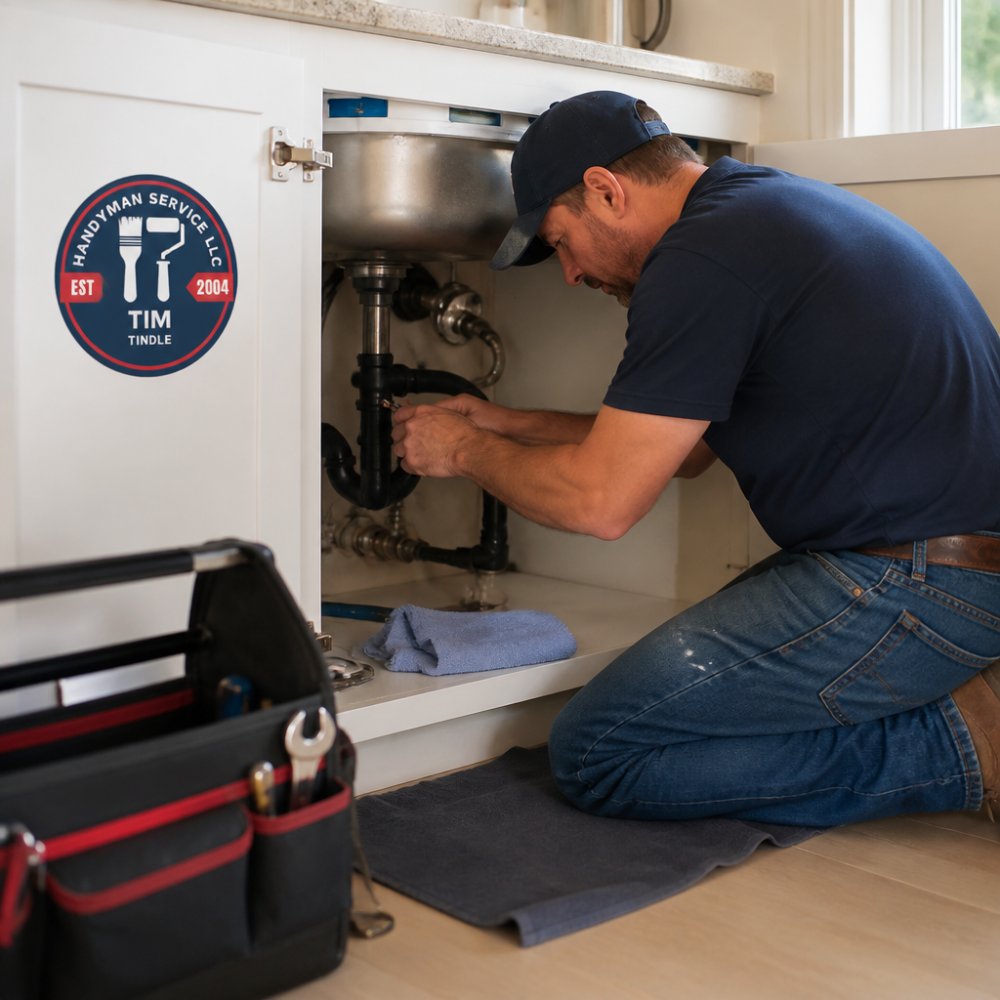
- Check under sinks for slow leaks or signs of corrosion
- Inspect caulking around tubs, showers, and sinks
- Clean refrigerator coils to maintain efficiency
- Check the garbage disposal for unusual noise or slow draining
- Review your emergency preparedness supplies: flashlights, batteries, and a first aid kit
Monthly and Quarterly Tasks Every Homeowner Should Do
The biggest mistake homeowners make is treating maintenance as an annual event. A monthly home maintenance checklist keeps small problems from becoming large ones.
Monthly Routine: Filters, Detectors, and Appliances
Monthly tasks take under an hour and prevent the most common household failures.
- Replace or inspect HVAC filters (1-inch filters typically need monthly replacement; thicker media filters can last 3 months)
- Test smoke alarms and carbon monoxide detectors by pressing the test button
- Run water in rarely-used sinks and flush infrequently-used toilets to prevent drain stagnation
- Check the garbage disposal for odors or sluggish performance; run ice cubes and citrus to clean the blades
- Inspect under-sink plumbing for drips or moisture
- Wipe down the refrigerator door seals and confirm they're creating a proper seal
- Check the water heater's pressure relief valve annually; visually inspect monthly for leaks
Higher-quality pleated filters capture more particulates and protect the HVAC blower motor from premature wear. The filter replacement step alone extends system life measurably.
Quarterly Checks: Plumbing, Sump Pump, and Fire Extinguisher
Quarterly checks target systems that degrade slowly and give no obvious warning signs.
- Test the sump pump by pouring water into the pit; it should activate immediately
- Inspect the fire extinguisher: confirm the gauge reads in the green zone, the safety pin is secure, and there's no visible corrosion or damage
- Check all visible plumbing under sinks, in the basement, and around the water heater for moisture, staining, or mineral deposits
- Flush the water heater if you haven't done so in the last 6 months
- Inspect the dryer vent from the exterior to confirm it's unobstructed
- Test GFCI outlets in bathrooms, the kitchen, and the garage by pressing the test and reset buttons
- Walk the exterior perimeter and note any new foundation cracks, efflorescence, or grading changes that direct water toward the house
| Task | Frequency | Why It Matters |
|---|---|---|
| HVAC filter replacement | Monthly to quarterly | Protects system, improves air quality |
| Smoke and CO detector test | Monthly | Life safety, no margin for error |
| Sump pump test | Quarterly | Prevents basement flooding |
| Fire extinguisher inspection | Quarterly | Confirms readiness in an emergency |
| Water heater flush | Annually (or biannually) | Removes sediment, extends tank life |
| Gutter cleaning | Spring and Fall | Prevents water damage and ice dams |
| Dryer vent cleaning | Annually | Reduces fire risk |
| Exterior caulking inspection | Spring | Stops moisture infiltration |
Smart Home Maintenance and Energy Efficiency Audits
Smart home devices require their own maintenance cycle. Add these tasks to your seasonal schedule:
- Update firmware on smart thermostats, hubs, and security cameras quarterly
- Test battery backup on smart smoke alarms and CO detectors
- Check leak detection sensors under sinks, near the water heater, and behind the washing machine
- Review smart thermostat scheduling for the upcoming season and adjust setpoints
- Inspect Wi-Fi coverage in key areas; dead zones can cause smart devices to drop offline
Energy efficiency audits identify where conditioned air is escaping and where insulation is inadequate. The U.S. Department of Energy's home energy audit guide recommends homeowners conduct a basic self-audit annually.
Practical audit steps you can do yourself:
- Hold a lit incense stick near window frames and electrical outlets on exterior walls on a windy day; smoke movement reveals air infiltration
- Check attic insulation depth; the DOE recommends R-38 to R-60 for most climate zones
- Review your utility bills for the same month in prior years; a spike without a behavior change often signals equipment inefficiency
Energy efficiency improvements directly affect property value. Homes with documented lower utility costs are a measurable selling point.
Essential Home Repair Tools List for 2026
Every homeowner who follows a home maintenance checklist needs the right tools to act on what they find.
Core toolkit for homeowners in 2026:
- Cordless drill/driver with a full bit set
- 25-foot tape measure
- 4-foot and 2-foot levels
- Hammer (16 oz. framing hammer is versatile)
- Utility knife with extra blades
- Adjustable wrench and a set of channel-lock pliers
- Flathead and Phillips screwdrivers in multiple sizes
- Stud finder
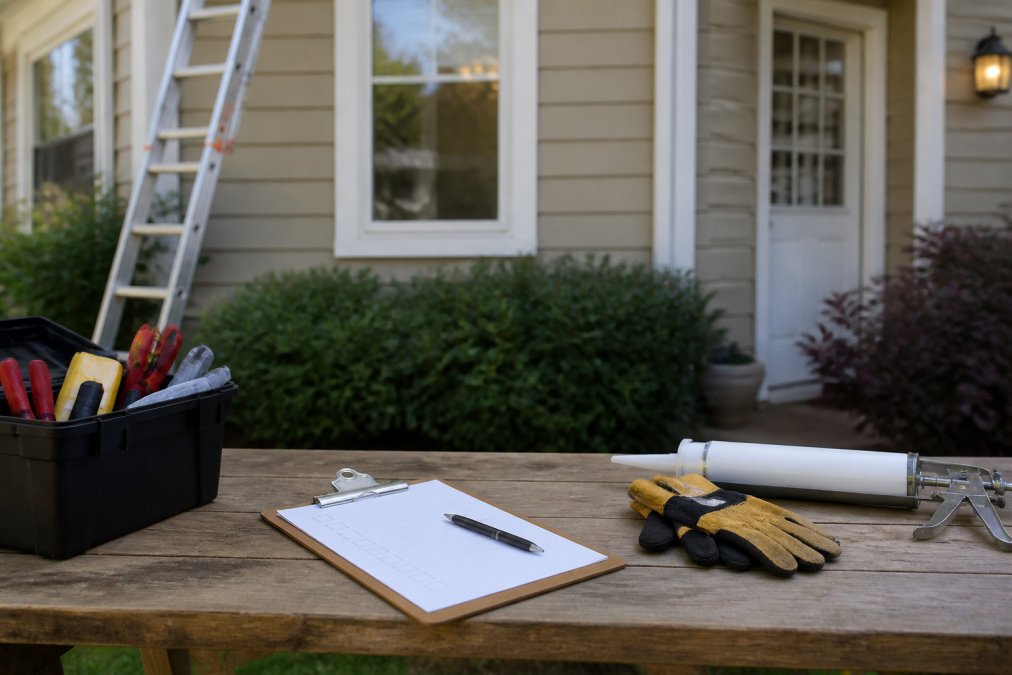
- Caulk gun and a supply of paintable and silicone caulk
- Voltage tester (non-contact type, for safe outlet and switch checks)
- Flashlight or headlamp with fresh batteries
- Plunger and a drain snake for basic plumbing clogs
- Putty knife and joint compound for minor drywall repairs
- Ladder (6-foot step ladder minimum; 10-foot for gutter access)
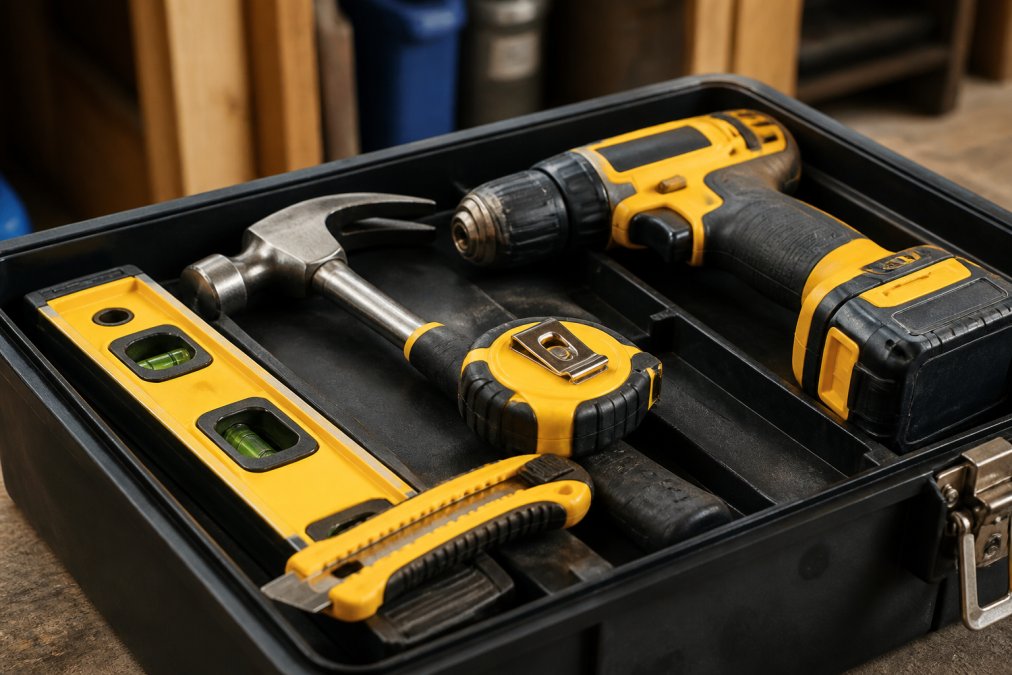
The voltage tester is the most underrated item on this list. A non-contact tester lets you confirm whether a circuit is live before touching any wiring, a basic safety step that prevents serious injury.
Cost of Home Maintenance Per Year: What to Budget
A widely cited rule among financial planners is to budget 1-3% of your home's value annually for maintenance and repairs. Older homes and those in harsher climates tend to land at the higher end. This figure covers routine maintenance, minor repairs, and a buffer for unexpected issues.
What it does not cover: major system replacements (roof, HVAC, water heater) that require their own capital reserve.
The cost of home maintenance per year breaks down roughly into:
- Routine maintenance tasks (filters, cleaning, testing): low annual cost, primarily your time
- Minor repairs (caulking, weatherstripping, hardware): modest material costs
- Professional service calls (HVAC tune-up, plumbing inspection): varies by service and region
- Emergency repairs (the cost of skipping the above): significantly higher
Keeping a maintenance log changes the financial picture. When you document every repair, service call, and replacement with dates and costs, you build a clear picture of your home's maintenance history. That log is also valuable during a sale, demonstrating to buyers that the property has been professionally maintained.
Hiring a Professional for Home Maintenance: What to Know
Knowing when to call a professional is as important as knowing what to check yourself.
Tasks that warrant a professional:
- HVAC inspection, cleaning, and refrigerant work
- Electrical panel inspection or any work beyond outlet and switch replacement
- Roof inspection and shingle replacement at height
- Water heater replacement or gas appliance work
- Structural concerns: foundation cracks, sagging framing, load-bearing wall modifications
What to look for when hiring:
Licensing and insurance are non-negotiables. A contractor who cannot provide proof of both should not be working on your home. If something goes wrong, an uninsured contractor leaves you exposed.
Ask for a written estimate before any work begins. A written estimate that itemizes labor and materials gives you a baseline and protects both parties. Check that the contractor is an established business with a local presence and a reputation to protect.
Handyman Service Aurora is a licensed and insured provider serving the Denver Metro area, offering free estimates on repairs, carpentry, painting, and general maintenance. Call 720-989-4123 to schedule.
According to the Federal Trade Commission's guide to hiring home improvement contractors, homeowners should always verify contractor credentials, get multiple estimates for large jobs, and never pay the full amount upfront.
Frequently Asked Questions
What is the most overlooked home maintenance task?
Dryer vent cleaning is consistently skipped by homeowners, yet clogged vents are a leading cause of house fires. Flushing the water heater annually to remove sediment buildup is another task most people delay for years. Both take under an hour, cost very little, and prevent expensive repairs or safety hazards. Add them to your home maintenance checklist now if they're not already there.
How often should I perform major home maintenance checks?
A full home inspection covering HVAC, plumbing, roofing, and safety systems should happen at least once a year, ideally in spring after winter stress. Certain tasks run on shorter cycles: replace HVAC filters every 1-3 months, test smoke alarms and carbon monoxide detectors monthly, and clean gutters twice a year. Keeping a maintenance log helps you track what was done and when, so nothing slips through.
Which home systems require the most frequent maintenance?
HVAC systems demand the most consistent attention, filter replacement, coil cleaning, and annual tune-ups keep them running efficiently and extend their lifespan. Plumbing is a close second, with leak detection, drain checks, and sump pump testing needed each season. Safety systems including smoke alarms, carbon monoxide detectors, and fire extinguishers also need regular testing to stay code-compliant and functional.
How much does home maintenance cost per year?
Annual home maintenance costs vary based on home age, size, and condition. A common budgeting rule is to set aside 1-2% of your home's purchase price each year for maintenance and repairs. Older homes or those in climates with harsh winters often run toward the higher end. Some years you'll spend less; a roof replacement or HVAC failure can push costs significantly higher. Getting free estimates from licensed professionals helps you plan accurately.
How can a professional handyman help with seasonal maintenance?
A licensed handyman can handle the tasks that are time-consuming, physically demanding, or require tools most homeowners don't own, gutter cleaning, caulking windows, replacing weatherstripping, drywall repairs, and minor plumbing checks. Hiring a professional also reduces homeowner liability risk on jobs that could cause injury or property damage. A single seasonal visit from a reliable contractor can work through your entire checklist in one appointment.
What tools should every homeowner have for basic home repairs?
A functional home repair toolkit includes a cordless drill, hammer, tape measure, level, utility knife, adjustable wrench, pliers, and a set of screwdrivers. A stud finder and voltage tester are worth adding for slightly more involved work. These tools cover the majority of DIY repairs on a standard home maintenance checklist and reduce how often you need to call a professional for small fixes.
Deferred maintenance is the most expensive decision a homeowner can make. The tasks on this home maintenance checklist are not complicated, but they require consistency. A seasonal schedule, a monthly routine, and a basic toolkit put you ahead of most homeowners.
When the work exceeds your tools or your time, Handyman Service Aurora handles repairs, carpentry, painting, and remodeling with licensed, insured professionals and transparent pricing. Call 720-989-4123 for a free estimate.
This article was written using GrandRanker