 ultimate-guide
Small Home Repair Service Costs: 2026 Pricing Guide
Table of Contents
- Understanding Small Home Repair Service Costs
- Handyman Hourly Rates and Labor Pricing Models
- Average Cost of Home Repairs by Project Type
- Factors That Influence Your Repair Budget
- Hiring a Licensed Handyman: What to Expect
- How to Get Accurate Project Estimates
- Tips for Saving Money on Home Repairs
- Frequently Asked Questions
Last Updated: September 27, 2026
Understanding Small Home Repair Service Costs
When something breaks in your home, the first question isn't "Can I fix it myself?", it's "How much is this actually going to cost?" The answer depends on a tangle of variables: what needs fixing, who's doing the work, whether it's an emergency, and where you live. Understanding how contractors price small home repair service costs gives you the use to budget accurately and spot overcharges before they happen.
Most homeowners get blindsided by repair bills because they don't understand the pricing model. A contractor might quote you one price, then discover "additional issues" and the final bill doubles. That's not always dishonesty, sometimes it's scope creep. But sometimes it's a contractor who didn't estimate properly or who inflates problems to justify higher fees. Knowing what goes into a quote protects you.
Understanding transparent pricing starts with understanding the components: labor rates, material markups, service call fees, and how complexity affects the final cost. This guide breaks down what you should expect to pay for common repairs and how to avoid getting taken advantage of.
Handyman Hourly Rates and Labor Pricing Models
Handymen typically charge using one of three models: hourly rates, flat-rate pricing, or time-and-materials billing. Each has different implications for your wallet.
Hourly labor rates are straightforward: you pay for the time spent on your project. Hourly labor rates are straightforward: you pay for the time spent on your project. The advantage of hourly rates is predictability, you know what you're paying per unit of time. The disadvantage is that a slow worker costs you more, and there's no incentive for the contractor to work efficiently.
Flat-rate pricing is fixed: the contractor quotes a set price for the entire job regardless of how long it takes. This shifts risk to the contractor, which is why they build in a buffer. You might pay more upfront, but you know the exact total cost before work begins. This model works best for routine jobs where the scope is clear and the contractor has done similar work many times.
Time-and-materials pricing combines hourly labor with a markup on supplies. The contractor bills you for hours worked plus the cost of materials with a percentage markup. This model is common when the full scope of work isn't known until the job starts, like opening a wall and discovering hidden damage. It protects both parties but requires trust and clear communication about what's being charged.
Average Cost of Home Repairs by Project Type
Common Repair Projects and Labor Costs
The cost of small home repair service costs varies wildly by project type. A leaky faucet is a 30-minute job. Drywall patching can take hours if the damage is extensive. Here's what typical projects involve:
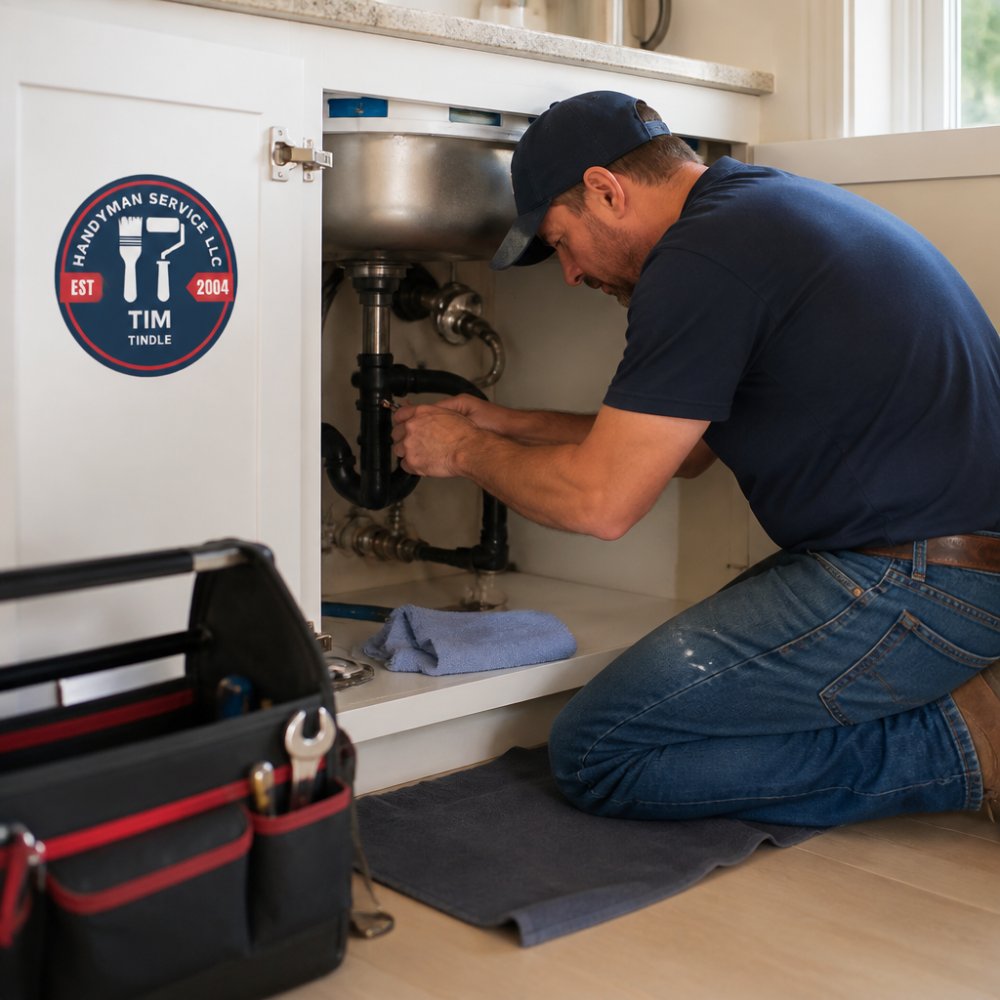
Faucet replacement usually takes 1-2 hours and involves removing the old fixture, installing new supply lines, and testing for leaks. Labor is straightforward; complexity depends on whether the old fixture is stuck or corroded.
Drywall patching ranges from simple (a nail hole) to complex (a large hole requiring structural reinforcement). A small patch might take 30 minutes. A 2-foot section of damage could take 3-4 hours including drywall mud, sanding, and painting.
Interior painting is priced by square footage or hourly rate. A single room might take 4-8 hours depending on prep work, trim complexity, and number of coats. Exterior painting takes longer due to scaffolding, weather, and surface preparation.
Fixture installation (towel bars, shelves, cabinet hardware) is quick, usually 15-30 minutes per item, but contractors often have minimum charges, so bundling multiple small jobs makes sense.
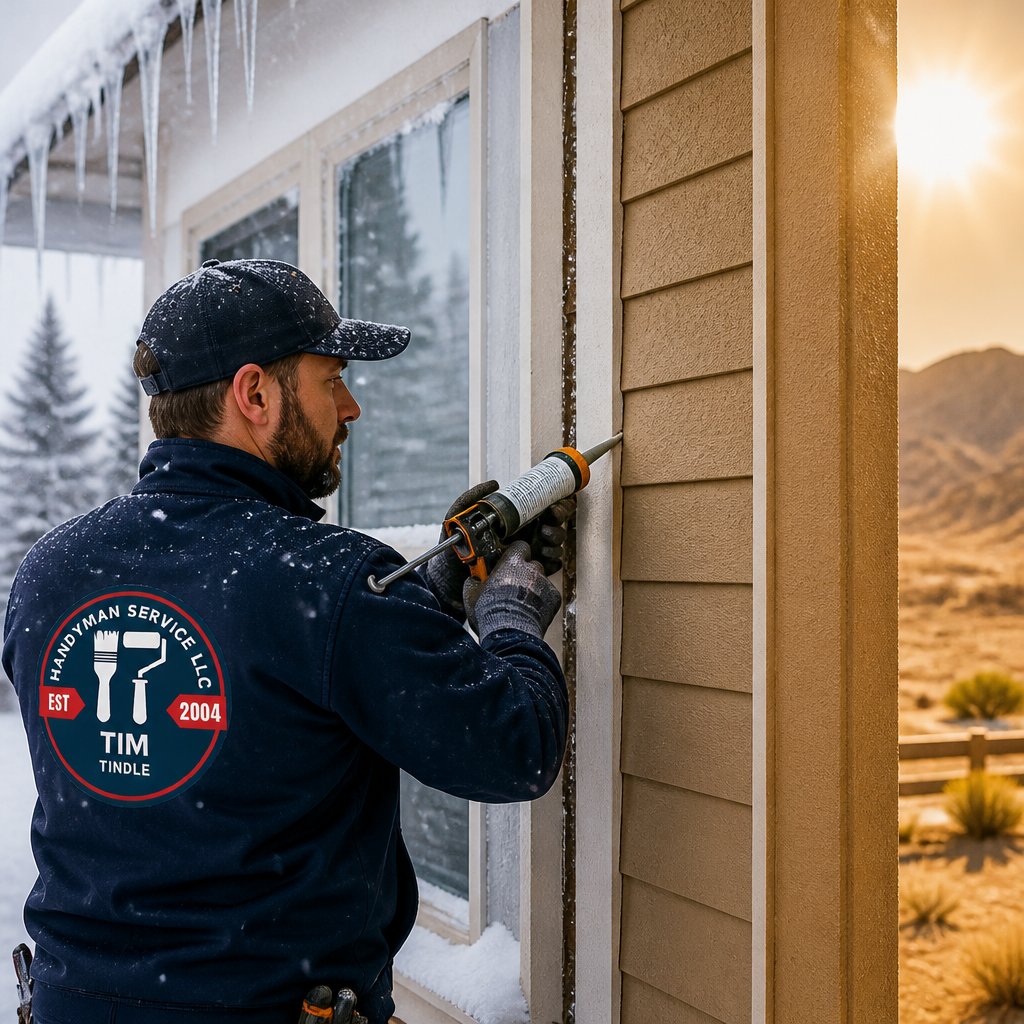
General maintenance tasks like caulking, weatherstripping, and minor repairs fall into the 1-2 hour range for most homeowners.
The key insight: labor costs dominate small repairs. Material costs for a faucet or drywall supplies are modest. What you're paying for is expertise and time.
Material Markup and Supply Costs
When a contractor buys materials for your project, they typically mark up the cost. This covers their overhead, the risk of material waste, and their profit margin. A markup is standard.
Here's where transparency matters. A good contractor will show you the material cost and explain the markup. A sketchy one will bundle everything into a vague "materials fee" and resist itemization. Always ask for a breakdown: what's the material cost, what's the markup, and what's the labor?
Some materials have built-in complexity. Specialty paint finishes cost more than basic latex. Copper plumbing fittings cost more than PVC. A contractor isn't overcharging you by using quality materials, they're protecting your repair's longevity. But you should know what you're paying for.
Factors That Influence Your Repair Budget
Repair Complexity and Scope of Work
Not all jobs are equal. A straightforward repair might take half the time of a seemingly similar one, depending on hidden complications.
Accessibility matters enormously. Replacing a faucet under a kitchen sink is easier than replacing one under a bathroom vanity with limited clearance. A handyman might spend an extra 30 minutes just maneuvering in tight spaces.
Call 720-989-4123 for a free estimate →
Material condition affects scope. Removing an old fixture that's been there 20 years and corroded solid takes longer than removing one installed recently. Opening a wall to find outdated wiring or plumbing adds unexpected work and cost.
Code compliance can expand a job. What seems like a simple repair might trigger building code requirements for permits, inspections, or upgraded materials. A licensed contractor will know this; an unlicensed one might skip it and leave you liable.
Skill level required varies. A general handyman handles most common repairs. Specialized work, like custom carpentry, electrical work beyond basic fixture swaps, or plumbing beyond simple replacements, requires licensed specialists and costs more.
The lesson: describe your project in detail to the contractor. The more they know upfront, the more accurate their estimate.
Emergency Versus Scheduled Service Pricing
A burst pipe at 2 AM costs more than scheduling a plumber to fix it Tuesday afternoon. Emergency service premiums are above standard rates, depending on the contractor and the time of call.
After-hours charges (evenings, weekends, holidays) are standard. Some contractors won't take emergency calls at all. Others charge a premium but honor it consistently.
Urgency markup is legitimate. An emergency call pulls the contractor away from other scheduled work, requires them to drop everything, and often involves overtime labor. You're paying for availability and rapid response.
The trade-off: sometimes it's worth paying the premium. A water leak damages your home every hour it continues. The emergency fee is cheap compared to structural damage. Other times, you can wait. A squeaky door hinge can wait until Monday.
Hiring a Licensed Handyman: What to Expect
Verifying Licensing, Insurance, and Bonding
A licensed contractor has passed exams, carries liability insurance, and is accountable to a licensing board. An unlicensed handyman might be cheaper upfront, but you're assuming all the risk.
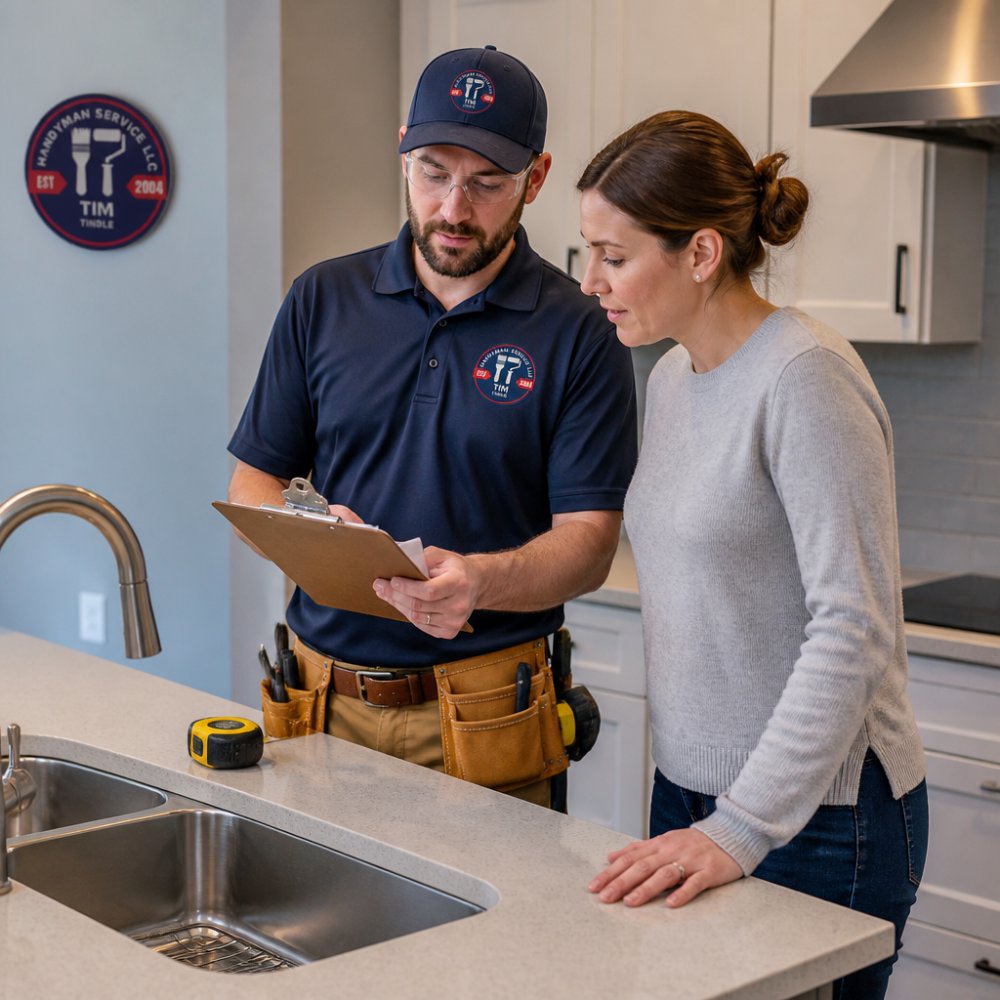
Licensing requirements vary by state and by type of work.
Service Call Fees and Minimum Charges
Many contractors charge a service call fee just to come assess the job. This covers their time, travel, and overhead. The fee is often credited toward the final bill if you hire them.
How to Get Accurate Project Estimates
What to Include in Your Estimate Request
A vague request produces a vague estimate. The more detail you provide, the more accurate the quote.
Red Flags in Pricing and Contractor Behavior
Some pricing patterns signal trouble. A quote significantly lower than others might mean the contractor is cutting corners or underestimating the scope. A quote significantly higher might be padding.
Tips for Saving Money on Home Repairs
Bundle small jobs together. A contractor charging a $100 minimum for one task might knock 20% off if you have three small jobs done at once. They're already there; additional work is more profitable than turning you away.
Frequently Asked Questions
What is a fair price to pay a handyman for small repairs?
Fair pricing depends on the repair's scope of work, your location, and whether you're charged hourly or a flat rate. Most homeowners pay service call fees upfront, then labor costs based on project complexity. Request quotes from multiple service providers to compare pricing models, some use time and materials billing, others offer fixed project rates. Avoid unusually low bids, which may indicate inexperience or hidden costs later.
How do handymen typically charge for small home repair jobs?
Handymen use three main pricing models: hourly labor rates (most common for unpredictable repairs), flat-rate pricing (fixed cost for known jobs like fixture installation), or time and materials (hourly rate plus material markup). Many charge a service call fee or minimum charge to cover travel and overhead expenses. Material markup is typically above cost. Ask your service provider upfront which model they use and get the estimate in writing to avoid surprises when the bill arrives.
What factors influence the total cost of a small home repair?
Repair complexity, scope of work, material costs, and travel fees all affect pricing. Emergency repairs cost more than scheduled service. Your location and the handyman's skill level matter too, licensed contractors with bonding and insurance charge more than unlicensed workers, but offer legal protection. Drywall patching, faucet replacement, and general maintenance are straightforward; structural or electrical work costs more. The time required and any unexpected issues discovered during work also impact your final bill. Always discuss potential complications in your initial estimate.
How can I get an accurate estimate for my home repair project?
Provide detailed photos and descriptions of the work needed when requesting quotes. Be specific about materials you prefer and any timeline constraints. Ask the service provider to break down labor costs, material costs separately, and explain any travel fees or minimum charges. Request the estimate in writing and ask how they'll handle scope changes or unexpected issues. Compare at least two estimates, but don't choose based on price alone, verify licensing, insurance, and bonding. A thorough estimate process takes time; reliable professionals will answer your questions fully rather than rushing through.