 listicle
Find a Reliable Handyman Near Me: 2026 Guide
Table of Contents
- What Services Does a Reliable Handyman Provide?
- Handyman vs. Contractor: Which One Do You Actually Need?
- How to Find a Reliable Handyman Near Me
- Red Flags When Hiring a Contractor
- Questions to Ask a Handyman Before Hiring
- Handyman Hourly Rates: What Affects Your Cost
- DIY vs. Handyman: A Simple Decision Framework
- Post-Service Evaluation: How to Know You Got Good Work
- Frequently Asked Questions
Last Updated: August 31, 2026
Finding a reliable handyman near me is one of the most common home improvement challenges homeowners face. This guide provides a practical framework for finding, vetting, and evaluating a handyman you can trust. The difference between a reliable handyman and an unreliable one often comes down to three things you can check before they ever set foot in your home.
What Services Does a Reliable Handyman Provide?
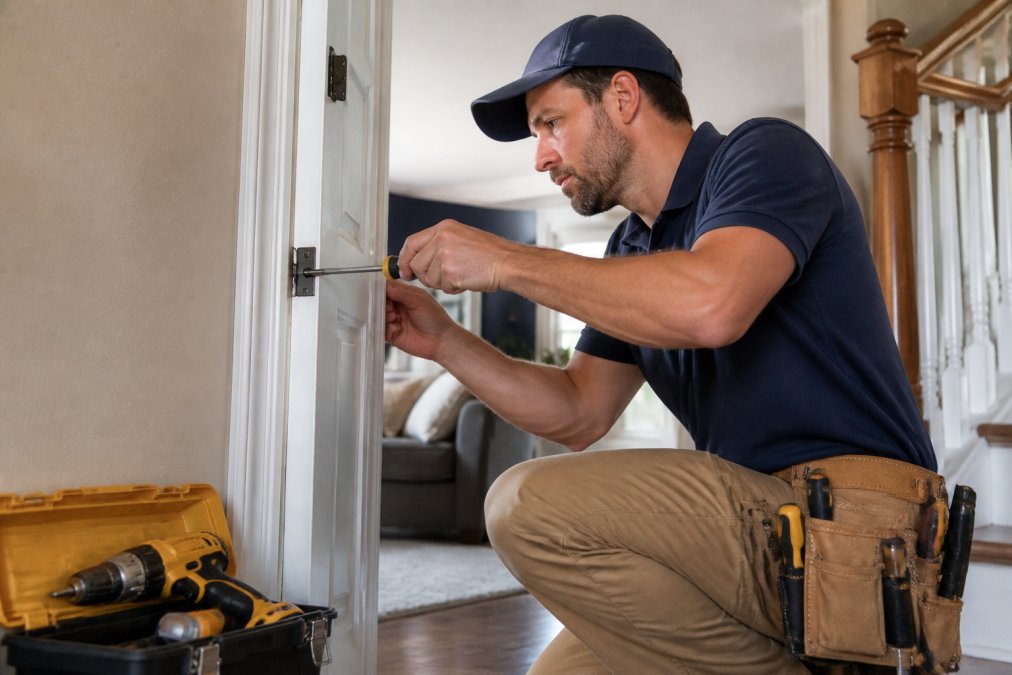
A reliable handyman is a skilled professional who handles a broad range of home repair, maintenance, and light improvement tasks that don't require a specialized trade license. A good handyman is experienced across multiple categories and knows exactly when a job exceeds their scope.
Common services a qualified handyman provides include:
- Drywall repair, patching holes, fixing water damage, smoothing surfaces before painting
- Carpentry, installing trim, repairing doors and cabinets, building shelving
- Interior and exterior painting, prep work, priming, finish coats
- Minor plumbing maintenance, fixing leaky faucets, replacing fixtures, unclogging drains
- Electrical maintenance, swapping outlets and switches, installing ceiling fans (non-panel work)
- General home maintenance, caulking, weatherstripping, gutter cleaning, fixture installation
- Remodeling support, tile work, flooring, bathroom updates
What a handyman should NOT handle: structural changes, full electrical panel upgrades, gas line work, or major plumbing rerouting. Those require licensed specialty contractors. A trustworthy handyman will tell you that directly.
| Service Category | Typical Handyman Tasks | When You Need a Specialist |
|---|---|---|
| Drywall & Painting | Patching, priming, painting walls | Structural wall removal |
| Carpentry | Trim, doors, cabinets, shelving | Load-bearing structural work |
| Plumbing | Fixture replacement, minor leaks | Pipe rerouting, main line work |
| Electrical | Outlets, switches, ceiling fans | Panel upgrades, new circuits |
| Remodeling | Tile, flooring, bathroom updates | Full kitchen gut, additions |
Handyman vs. Contractor: Which One Do You Actually Need?
A handyman handles smaller, multi-trade tasks within a single visit or short project. No permit required, lower cost, faster scheduling.
A general contractor manages larger projects involving multiple subcontractors, permits, and inspections. Think: kitchen remodel, room addition, full bathroom gut.
If your project involves structural changes, requires a building permit, or will take more than a few days of continuous work, you likely need a licensed general contractor. For repairs and maintenance tasks, a skilled handyman is faster, more flexible, and more cost-effective.
According to the National Association of Home Builders' guidance on contractor licensing, many states draw a specific dollar threshold below which a general contractor's license is not required. A handyman who is licensed and insured operates like a professional business; an unlicensed individual does not. The difference matters enormously if something goes wrong on your property.
How to Find a Reliable Handyman Near Me
The best approach combines referrals, verification, and a short vetting call before committing. Referrals from neighbors and local community groups remain the most reliable starting point because someone you trust has already vetted the work quality.
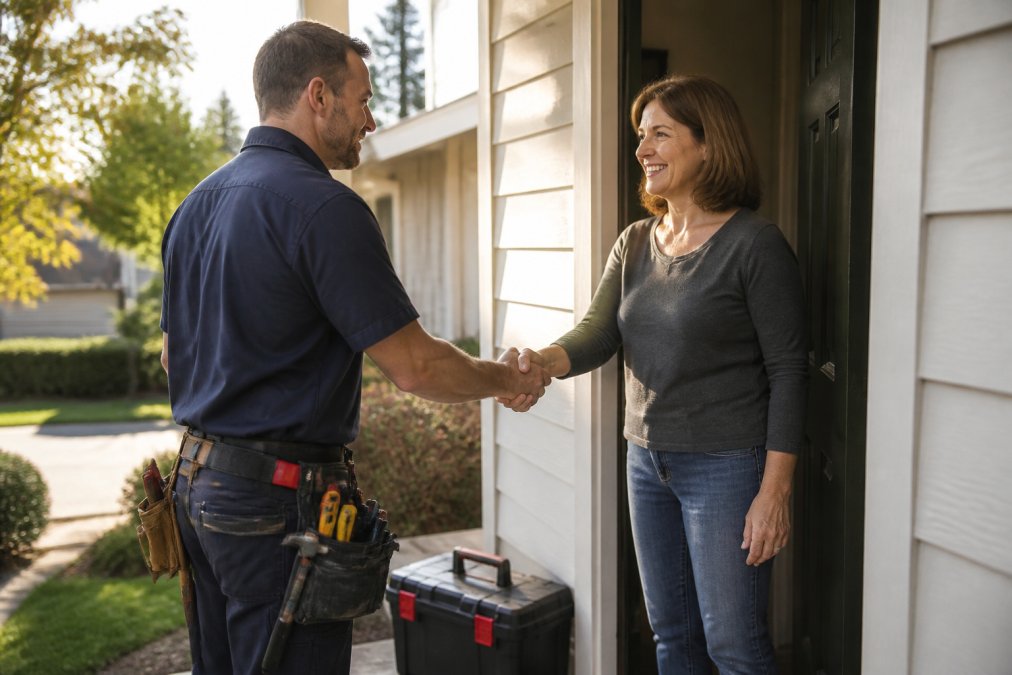
Here's a step-by-step process that works:
- Ask neighbors and local community groups first. Word-of-mouth referrals come pre-vetted.
- Search local directories with filters. Look for providers who display their license number, insurance certificate, and bonding status prominently.
- Request a free estimate. Use that conversation to assess communication and professionalism.
- Verify credentials independently (see the section below).
- Check reviews across multiple platforms, not just the ones the handyman links you to.
- Ask the questions listed later in this guide before agreeing to anything.
Check Licensing, Insurance, and Bonding
Licensing, insurance, and bonding are the three non-negotiable credentials for any handyman you hire.
Licensed means the individual or business has met the minimum competency and legal requirements set by your state or municipality. You can verify a contractor's license through your state's regulatory agency.
Insured means the handyman carries general liability insurance (iii.org). If they accidentally damage your property or a third party is injured during the job, their insurance covers it. Ask for a certificate of insurance and call the insurer to confirm it's active.
Bonded means a surety bond is in place, which protects you financially if the contractor fails to complete the work or causes losses (naic.org).
Never take a handyman's word for these credentials. Ask for documentation and verify independently. A legitimate professional will provide this information without hesitation.
Read Customer Reviews the Right Way
Customer reviews tell you a lot, but only if you read them critically.
- Check the date range. A cluster of 5-star reviews from a single month, followed by silence, is a red flag.
- Read the negative reviews first. How a provider responds to criticism tells you about their professionalism.
- Look for specifics. Reviews that mention actual project types are more credible than generic praise.
- Cross-reference platforms. Check reviews on at least two independent sources.
- Watch for patterns. Repeated complaints about punctuality, surprise charges, or incomplete work are signals.
Red Flags When Hiring a Contractor
Most homeowners who get burned by unreliable contractors report that the warning signs were there early. Here are the red flags that should stop any hiring conversation:
- No license, insurance, or bond documentation provided when asked.
- Demands large upfront cash payment. A deposit is normal; full payment before work begins is not.
- No written estimate or contract. Verbal agreements are unenforceable.
- Pressure to decide immediately. High-pressure tactics signal someone who doesn't want you to verify credentials.
- No physical business address or verifiable business history.
- Significantly lower bid than everyone else. Pricing that seems too good to be true usually reflects cut corners.
- Vague answers about subcontractors. You need to know who those people are and whether they're covered under insurance.
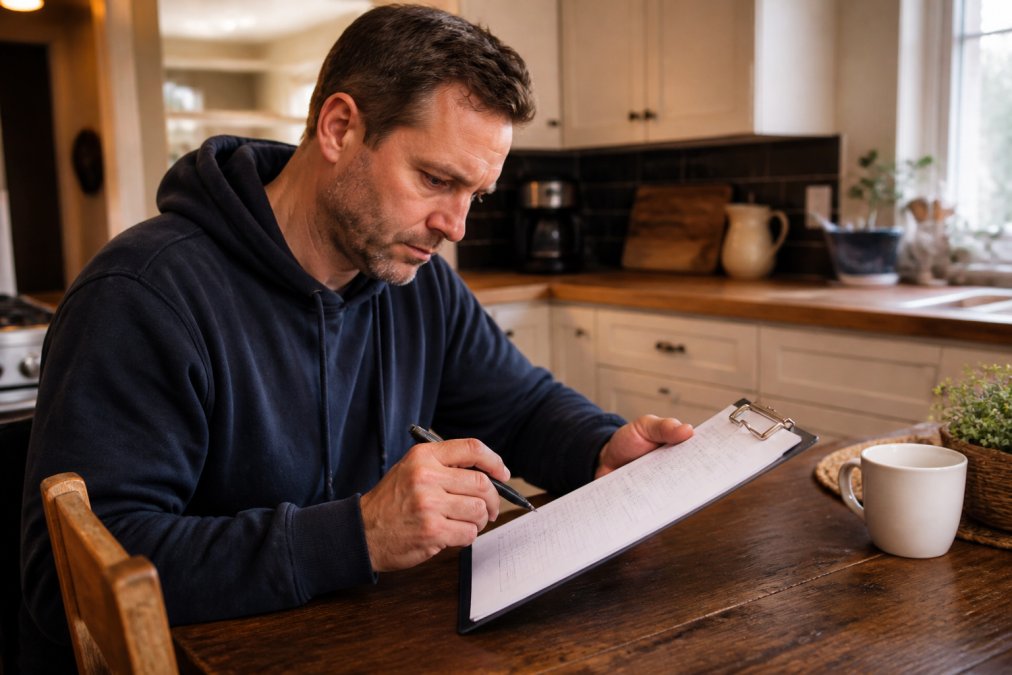
Questions to Ask a Handyman Before Hiring
A confident, experienced professional will answer all of these without hesitation.
On credentials and business legitimacy:
Call 720-989-4123 for a free estimate →
- Are you licensed, insured, and bonded? Can you provide documentation?
- How long have you been operating as a business in this area?
- Do you carry workers' compensation coverage for any helpers you bring?
On the project itself:
- Have you done this type of work before? Can you describe a similar project?
- Will you handle the work yourself, or will you subcontract any portion?
- What does your estimate include, and what could cause the price to change?
On process and communication:
- How do you handle unexpected issues discovered during the job?
- What's your typical timeline for a project like this?
- How do you prefer to communicate during the project?
On guarantees:
- Do you stand behind your work? What's your policy if something isn't right after the job is done?
A handyman who deflects, gets defensive, or can't give straight answers is telling you something important.
Handyman Hourly Rates: What Affects Your Cost
Handyman hourly rates vary based on several factors. The primary cost drivers are:
- Geographic location. Labor costs in urban and suburban metro areas are generally higher than rural markets.
- Scope and complexity. Simple tasks cost less per hour than technical work like tile installation or custom carpentry.
- Materials. Some handymen charge for materials separately; others include them in a project rate.
- Licensing and insurance overhead. A licensed, insured, and bonded professional carries real business costs reflected in their rates.
- Urgency. Same-day or emergency service typically carries a premium.
- Project duration. Many handymen offer a lower effective rate for full-day or multi-day bookings.
For pricing specific to your project, request a free estimate from a qualified local provider. Handyman Service Aurora offers free estimates with transparent cost breakdowns. Call 720-989-4123 to get started.
DIY vs. Handyman: A Simple Decision Framework
Not every home repair needs a professional. Use this framework to decide:
| Task Type | DIY Viable? | Hire a Handyman When... |
|---|---|---|
| Painting interior walls | Yes, with prep | Large rooms, high ceilings, or exterior work |
| Patching small drywall holes | Yes | Damage is larger than a few inches, or near plumbing/electrical |
| Replacing a faucet | Yes, basic models | Shut-off valves are corroded, or pipes need rerouting |
| Installing ceiling fan | Yes, if wired | No existing wiring, or circuit work required |
| Carpentry and trim work | Limited | Precision cuts, custom work, or structural involvement |
| Tile installation | Limited | Large areas, wet areas, or pattern work |
| Exterior painting | Possible | Two-story or higher, surface prep issues, weather timing |
DIY makes sense when the task is low-risk, reversible, and within your verified skill set. The moment a mistake creates a safety hazard, requires a permit, or could damage your home's structure or systems, hire a professional.
Post-Service Evaluation: How to Know You Got Good Work
Post-service evaluation protects you for future projects and helps your community make better hiring decisions.
Immediately after the job:
- Walk through the completed work with the handyman present. Point out anything that doesn't look right before they leave.
- Confirm all materials and debris have been removed from your property.
- Get a written receipt that itemizes labor and materials.
- Test everything that was repaired or installed before signing off.
Within the first week:
- Check repaired areas for any signs of failure, drywall cracks, paint peeling, leaks, or fixtures that don't function correctly.
- Confirm any permits pulled for the work have been closed out with your local building department.
For the long term:
- Note the provider's contact information for future service requests.
- Leave an honest review that describes the specific work done and the outcome.
- Add the project to your home maintenance schedule.
Good workmanship is visible and verifiable. If a repair holds up under normal use for 30 days with no issues, that's a strong indicator of quality. If problems emerge quickly, contact the handyman immediately. A professional who stands behind their work will address it.
Home maintenance is a recurring need, and having a trustworthy professional you can call makes every project less stressful. Handyman Service Aurora serves homeowners throughout the Denver Metro area with licensed, insured service across carpentry, painting, drywall repair, remodeling, and general home maintenance. We provide free estimates with transparent pricing so you know the cost before work begins. Call 720-989-4123 to schedule your free estimate and get reliable work done right.
Frequently Asked Questions
Q: How much should I pay my handyman per hour?
A: Handyman hourly rates vary based on the type of work, your location, and whether the pro is licensed and insured. Simple tasks like minor drywall repair or fixture installation typically cost less per hour than jobs involving carpentry, plumbing, or electrical work. Always request an itemized estimate before work begins so you understand exactly what you're paying for. Contact a local provider directly for current pricing, it's the only way to get an accurate figure for your specific project.
Q: What is the best way to find a good handyman?
A: Start by asking neighbors or local community groups for referrals. Then verify that any candidate is licensed, insured, and bonded before you book. Read customer reviews on multiple platforms and look for consistent feedback about reliability, professionalism, and workmanship quality. Request a free estimate and notice how promptly and clearly they respond, communication before the job is a reliable signal of how they'll behave during it. Avoid anyone who asks for full payment upfront.
Q: What are some red flags when hiring a handyman?
A: The biggest red flags include no proof of insurance or licensing, requests for full cash payment before work starts, vague or verbal-only estimates, and pressure to book immediately without time to review. Unreturned calls, no physical address or established business presence, and reluctance to provide references are also warning signs. A reliable handyman will give you a written estimate, show credentials without hesitation, and communicate clearly about the project scope and timeline.
Q: Should I ask for proof of insurance before hiring a handyman?
A: Yes, always ask for proof of insurance before any work begins on your property. A properly insured handyman carries general liability coverage, which protects you if property damage occurs during the job. Some states also require workers' compensation coverage. Ask for a certificate of insurance and verify it directly with the provider if you want extra certainty. Skipping this step can leave you financially responsible for accidents or damage that happen on your property.
Q: What is the most requested handyman service?
A: Drywall repair consistently ranks among the most requested handyman services, along with general carpentry, interior painting, door and window installation, and minor plumbing fixes like faucet replacement. Many homeowners also request help with home maintenance tasks that accumulate over time, things like caulking, weatherstripping, and fixture replacement. A reliable handyman can often handle several of these in a single visit, which saves you the hassle of scheduling multiple service providers.
This article was written using GrandRanker