 listicle
Professional Carpentry Services in Parker CO: 2026 Guide
Table of Contents
- What Professional Carpentry Services in Parker CO Cover
- Top Carpentry Projects Homeowners Request
- Residential Carpentry Repair Costs: What to Expect
- Hiring a Licensed Carpenter Checklist
- Best Practices for Home Trim Installation
- Choosing Materials and Planning Your Project
- Why Hire a Professional Instead of DIY?
- Frequently Asked Questions
Last Updated: September 9, 2026
When your kitchen cabinets are sagging or you need custom built-ins that actually fit your space, finding the right help makes all the difference. Professional carpentry services in Parker CO cover far more than basic repairs, and choosing a skilled contractor protects both your home and your budget. At Handyman Service Aurora, we help homeowners across Parker, Foxfield, and the Denver Metro area plan carpentry projects with confidence, from rough framing to final trim work. This guide explains what these services include, what they cost, and how to hire someone you can trust. Below, we'll walk through project types, cost expectations, and the exact questions to ask before signing a contract.
What Professional Carpentry Services in Parker CO Cover
Professional carpentry services in Parker CO split into two broad categories: structural work and finish work. Understanding the difference is the first step toward hiring the right person for your project. A general handyman can handle repairs, but a skilled carpenter brings precision to custom work that affects your home's appearance and value.
Residential carpentry includes framing, deck installation, and structural repairs that keep your home sound. Finish carpentry covers the visible details: trim work, crown molding, baseboard installation, and custom shelving where the quality of the joinery shows. Many homeowners need both, which is why working with a single licensed and insured provider simplifies the process.
Custom Cabinetry, Built-Ins, and Finish Work
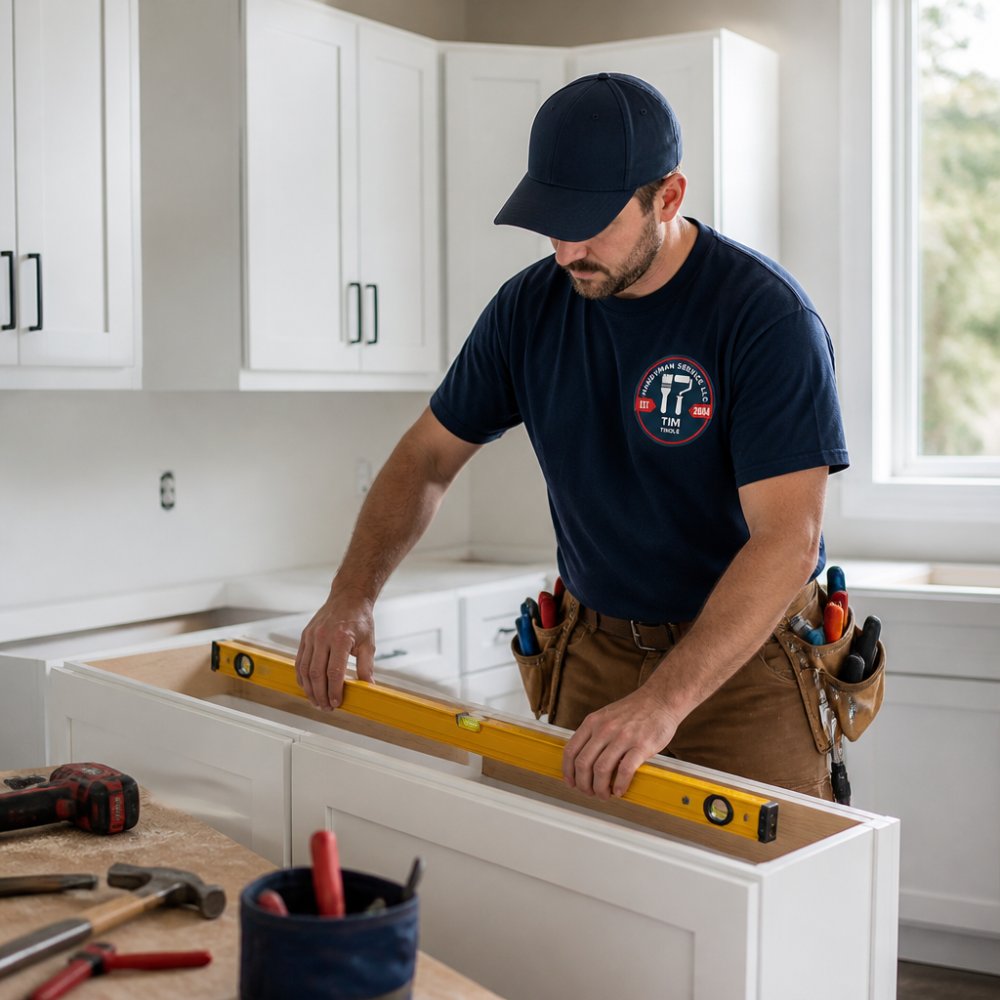
Custom cabinetry and built-in furniture represent the highest-skill tier of residential carpentry. These projects demand precise measurements, material knowledge, and the ability to work around existing walls, floors, and utilities. A poorly measured built-in leaves gaps that are nearly impossible to hide, while quality workmanship turns an awkward alcove into a functional storage space.
Finish work also covers door installation, wood repair, and interior woodwork restoration. Whether you're matching existing baseboards after a remodel or replacing a damaged window casing, the goal is seamless integration with your home's current style. Custom shelving and entertainment centers fall into this category, blending storage with the architectural character of your rooms.
Top Carpentry Projects Homeowners Request
Deck and fence installation leads the list of exterior projects, followed closely by structural framing for additions and garage conversions. Inside, homeowners most often request custom cabinetry for kitchens and bathrooms, built-in bookshelves, and trim work that adds polish to newly renovated rooms. Wood repair and restoration projects also rank high, especially in older homes where original moldings need careful attention.
A common thread across all these projects is the need for project management. A reliable carpenter coordinates materials, schedules, and cleanup, which matters when you're juggling work and family life. Many homeowners in Parker appreciate working with a provider that handles multiple trades, so a bathroom remodel involving carpentry, drywall, and painting doesn't require three separate contractors.
Residential Carpentry Repair Costs: What to Expect
Pricing for carpentry services depends on the project scope, material quality, and local labor rates, so no two quotes are identical. Rather than relying on a single "hourly rate" figure, expect estimates based on the specific work involved: linear feet of trim, number of custom cabinets, or square footage of decking. The most reliable way to budget is to request a free estimate with a detailed breakdown.
Typical pricing ranges for common projects in the Parker area:
- Baseboard and trim installation: $5-$10 per linear foot installed, depending on material and profile complexity. Crown molding runs higher at $8-$15 per linear foot due to the precision required for corners.
- Custom built-in bookshelves or entertainment centers: $1,500-$5,000 or more, depending on size, materials, and features like lighting or adjustable shelving.
- Kitchen cabinet installation (pre-fabricated units): $150-$350 per cabinet, plus any modifications needed to fit existing spaces.
- Deck installation (pressure-treated lumber): $25-$45 per square foot for a basic design. Adding composite materials, railings, or multiple levels increases costs significantly.
- Door installation (pre-hung interior doors): $200-$400 per door, including hardware and casing.
- Structural repairs (e.g., replacing a load-bearing beam or repairing floor joists): $500-$3,000 depending on the extent of damage and access difficulty.
Your actual quote will vary based on your home's specific conditions, material selections, and the contractor's overhead. A reputable provider will break down labor, materials, and any subcontracted work so you understand exactly what you're paying for.
Why quotes vary between contractors: Labor rates vary for skilled carpenters, with established companies offering insurance coverage, warranty support, and project management. Material costs fluctuate with lumber prices, which have seen significant volatility in recent years. Contractors who maintain relationships with local suppliers may secure better pricing than those who purchase materials at retail, which can affect your final quote.
Be wary of contractors who quote a low price and then discover "extra issues" that double the bill. A professional provider evaluates the project thoroughly before quoting and communicates any variables upfront. For major projects, ask whether the estimate includes materials, disposal of old fixtures, and final cleanup, since these line items vary widely between providers. Also ask about warranty coverage on labor, as reputable companies typically guarantee their workmanship for at least one year.
For budgeting purposes, set aside an additional 10-15% above your quote for unexpected issues that surface during demolition or installation, such as water damage behind old cabinets or framing that requires adjustment. This contingency prevents financial stress if complications arise.
Hiring a Licensed Carpenter Checklist
Verifying credentials protects you from liability and ensures quality workmanship. Before hiring any carpenter, confirm they are licensed and insured, and ask for proof of coverage. This matters because damage or injury on your property becomes your responsibility if the contractor lacks proper insurance.
- Confirm the contractor is licensed and insured, and request a certificate of insurance
- Ask for references or photos of similar completed projects
- Get a detailed written quote outlining scope, materials, and timeline
- Clarify who handles permits, if required, and what the process involves
- Establish a payment schedule tied to project milestones
- Confirm the contractor's service area and availability for follow-up work
Choosing an established business rather than a side-hustle handyman gives you recourse if issues arise after completion. A real company with a service area across Aurora, Parker, and Centennial is more likely to stand behind its work with warranty support.
Best Practices for Home Trim Installation
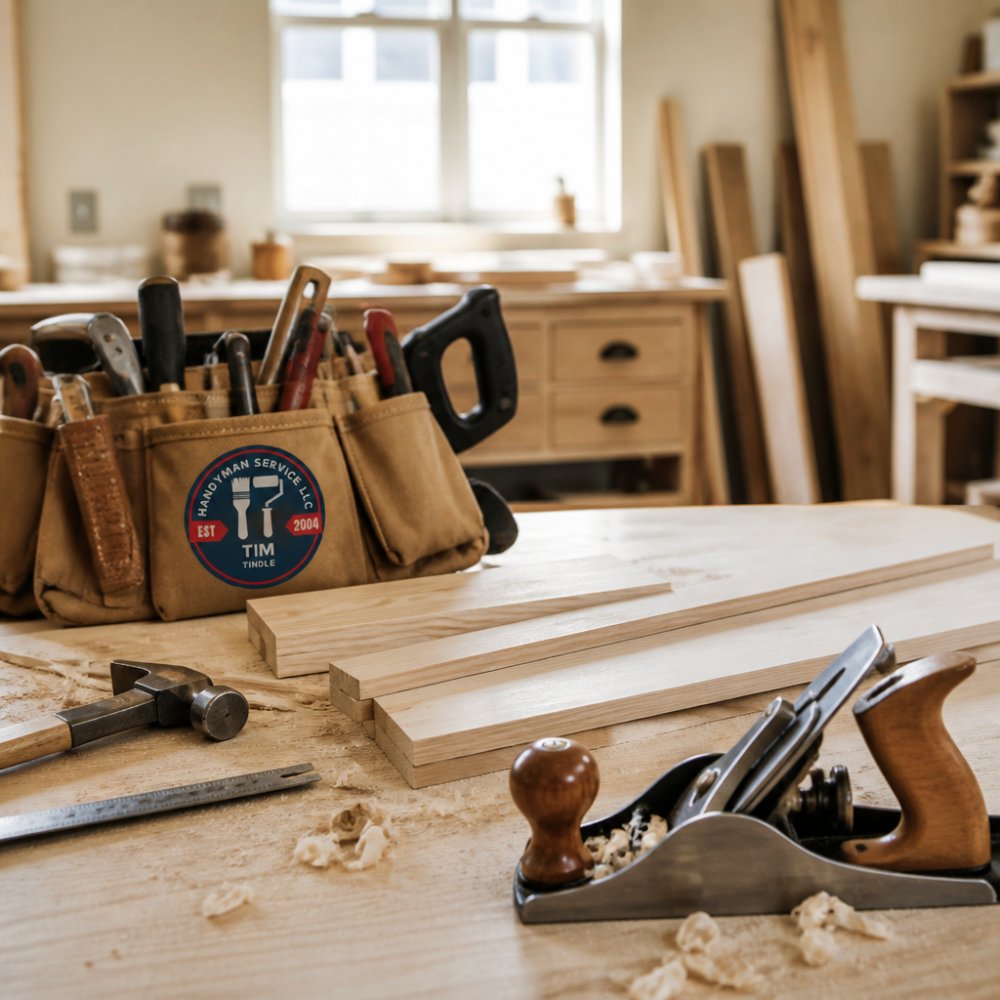
Trim installation is a finishing skill where preparation determines the outcome. Start by measuring each wall segment precisely, accounting for corners that are rarely perfectly square. Cut baseboards and crown molding with a miter saw set to the actual angle of your walls, not a presumed 45 degrees.
Call 720-989-4123 for a free estimate →
Pro tip: Acclimate wood trim to your home's humidity for at least 48 hours before installation. This prevents the gaps and warping that appear weeks after the job is done.
Quality installation also means using the right fasteners and adhesive. Nail through the trim into studs where possible, and use construction adhesive on flat surfaces to prevent movement. Caulk seams and nail holes, then touch up with paint that matches your existing finish. For crown molding, cope the inside corners rather than relying on miter joints, which open up as wood expands and contracts.
Choosing Materials and Planning Your Project
Material selection affects both appearance and longevity, and the right choice depends on your home's style, your maintenance tolerance, and Colorado's unique climate. The Front Range experiences over 300 days of sunshine annually, significant temperature swings between day and night, and low humidity that averages around 50% but can drop dramatically in winter. These conditions stress wood differently than in coastal or humid climates, so material choices that work in other regions may not perform as well here.
For interior trim and cabinetry: Solid hardwoods like oak and maple offer durability and a classic look but will expand and contract with seasonal humidity changes. In Parker's dry climate, wood can lose moisture and shrink, causing gaps at joints. Medium-density fiberboard, or MDF, paints smoothly and resists warping at a lower price point, making it a practical choice for painted trim and shelving. Plywood with a hardwood veneer works well for custom cabinetry, offering stability that solid wood panels lack in wide applications. A common pattern among local contractors is to recommend veneer-core plywood for cabinet boxes and solid wood only for doors and face frames, balancing cost with stability.
For exterior decking and fences: This is where Colorado's climate demands careful consideration. Pressure-treated lumber remains the most economical choice, but it requires regular sealing to withstand UV exposure and freeze-thaw cycles. Cedar and redwood offer natural rot resistance but cost 30-50% more than pressure-treated options and still need periodic maintenance. Composite decking materials eliminate annual sealing and resist UV fading better than wood, though they carry a higher upfront cost. One local consideration: composite decking can become very hot in direct summer sun, so if your deck faces west or south, discuss lighter colors or alternative materials with your contractor.
Planning around Parker's building requirements: Before ordering materials for structural projects like decks, fences over six feet tall, or load-bearing wall modifications, confirm whether your project requires a permit from the Town of Parker. The town's Building Division requires permits for most structural alterations, and inspections are typically needed at framing and final stages. A professional contractor should handle permit applications as part of the project scope, but you should confirm this in writing before work begins. Unpermitted work can create problems when you sell your home, as inspectors may flag modifications that lack proper approvals.
Planning also covers logistics: clearing the work area, protecting floors and furniture, and confirming access for large materials. A professional carpenter handles these details, but knowing the timeline helps you prepare your household for the disruption. Ask your contractor about material lead times, since specialty hardwoods or custom-milled trim may take one to three weeks to arrive, which affects your overall project schedule.
Why Hire a Professional Instead of DIY?
Some carpentry tasks look deceptively simple on video tutorials, but the cost of mistakes often exceeds the savings of doing it yourself. Poorly installed trim, misaligned cabinets, or an unsafe deck can reduce your home's value and create safety hazards. Professional craftsmanship delivers results that hold up over decades, not just until the next season.
The hidden cost of DIY is time. A project that takes a professional two days might consume your weekends for a month, especially when you factor in tool purchases and trips to the lumber yard. Hiring a licensed and insured carpenter also provides peace of mind, since you're protected if something goes wrong on your property.
For homeowners in Parker and the surrounding Denver Metro area, Angi's guide to hiring carpenters offers a useful overview of what to expect during the hiring process. Similarly, the National Association of Home Builders' remodeling resources and the U.S. Department of Housing and Urban Development's home improvement guidance provide background on planning and financing home improvement projects responsibly.
Choosing the right professional carpentry services in Parker CO comes down to vetting credentials, understanding your project scope, and selecting materials that fit your home and lifestyle. Handyman Service Aurora brings licensed and insured expertise to carpentry, painting, and remodeling across Parker, Foxfield, Centennial, and the wider Denver Metro area, backed by transparent free estimates and reliable project management. Call 720-989-4123 for a free estimate and get started with a team that delivers quality workmanship you can count on.
Frequently Asked Questions
What types of projects do professional carpenters in Parker CO handle?
Professional carpenters handle a broad range of residential work. This includes custom cabinetry, built-in shelving and entertainment centers, baseboard and crown molding installation, door and window casing, deck and fence building, and structural framing for home additions. They also perform repairs like fixing rotten wood, replacing damaged trim, and adjusting sticky doors. A licensed carpenter brings the tools and experience to manage both the detailed finish work and the more demanding structural projects safely.
How much do residential carpentry repair costs typically run?
Residential carpentry repair costs vary widely based on the project's scope, material choices, and the carpenter's experience. A simple repair, like replacing a few sections of baseboard, is far less involved than installing custom built-ins, which requires more labor and materials. Pricing also depends on whether any structural issues are uncovered during the work. For an accurate number, request a free estimate and a detailed project quote after the carpenter has assessed the job in person.
How do I verify a carpenter is licensed and insured?
Ask the carpenter or company directly for their license number and proof of insurance. A legitimate, established business will readily provide certificates of liability insurance and workers' compensation. You can also check with your state or local licensing board to confirm the license is active and in good standing. Hiring a licensed and insured professional protects you if an accident happens on your property and ensures the work meets local building codes for permits and inspections.
How long does a typical home carpentry project take to complete?
The timeline depends entirely on the project's complexity. A straightforward repair, such as fixing a cabinet door or replacing trim in one room, might be finished in a single day. Larger projects like custom built-ins or a full deck installation can take one to two weeks or more, especially if they require permits and inspections. A professional will provide a clear project timeline before work begins, so you know what to expect and can plan accordingly.
Why should I hire a professional for carpentry instead of doing it myself?
Professional carpenters bring precision, speed, and problem-solving skills that DIY efforts often lack. They have the right tools for accurate cuts and secure fastening, and they know how to handle unexpected issues like out-of-square walls or rotted framing. Their workmanship is backed by insurance and often a warranty, giving you peace of mind. For projects involving structural framing or custom work, a professional ensures the result is safe, durable, and meets local building standards.