 ultimate-guide
How to Vet a Home Improvement Contractor
Table of Contents
- Why Vetting a Home Improvement Contractor Matters
- How to Verify Contractor Insurance and License
- Questions to Ask a Contractor Before Hiring
- Red Flags When Hiring a Contractor
- Using a Contractor Reference Check Template
- Requesting and Comparing Written Estimates
- How to Protect Yourself After Hiring
- Frequently Asked Questions
Last Updated: September 18, 2026
Why Vetting a Home Improvement Contractor Matters
Hiring the wrong contractor can cost thousands in wasted money, delayed projects, and subpar work. Before signing anything, you need a systematic approach to vet a home improvement contractor. This isn't about being paranoid, it's about protecting your investment and your home.
The stakes are real. A contractor who cuts corners on materials, skips permits, or abandons the job mid-project leaves you scrambling. Worse, you might end up liable if an uninsured contractor gets injured on your property. The difference between a professional and a problem is often just a few verification steps that most homeowners skip.
This guide walks you through exactly how to vet a home improvement contractor before you hand over a deposit.
How to Verify Contractor Insurance and License
The first step in vetting a home improvement contractor is confirming they're actually licensed and insured. This isn't optional, it's your legal protection.
Start with the license. Contact your state's licensing board or contractor regulatory agency to verify the contractor's license is active and in good standing. Search for any complaints or disciplinary actions against them. A clean record doesn't guarantee perfect work, but a suspended license is a deal-breaker.

Next, ask for proof of liability insurance and workers' compensation insurance. Liability insurance protects you if the contractor damages your property. Workers' compensation covers injuries to their employees on your job. Don't accept a verbal promise, ask for a certificate of insurance directly from their insurance company. Call the insurer to confirm the policy is active. An uninsured contractor means you're liable if something goes wrong.
Questions to Ask a Contractor Before Hiring
The right questions reveal whether a contractor is professional, experienced, and reliable. These aren't casual conversation starters, they're vetting tools.
Ask how long they've been in business. A contractor who's been operating for five years or more has survived market downturns and built a reputation. New contractors aren't automatically bad, but longevity signals stability and business acumen. Ask specifically about their experience with your type of project. A contractor who's done 50 bathroom remodels knows the pitfalls; someone doing their first might not.
Essential Contract Terms to Discuss
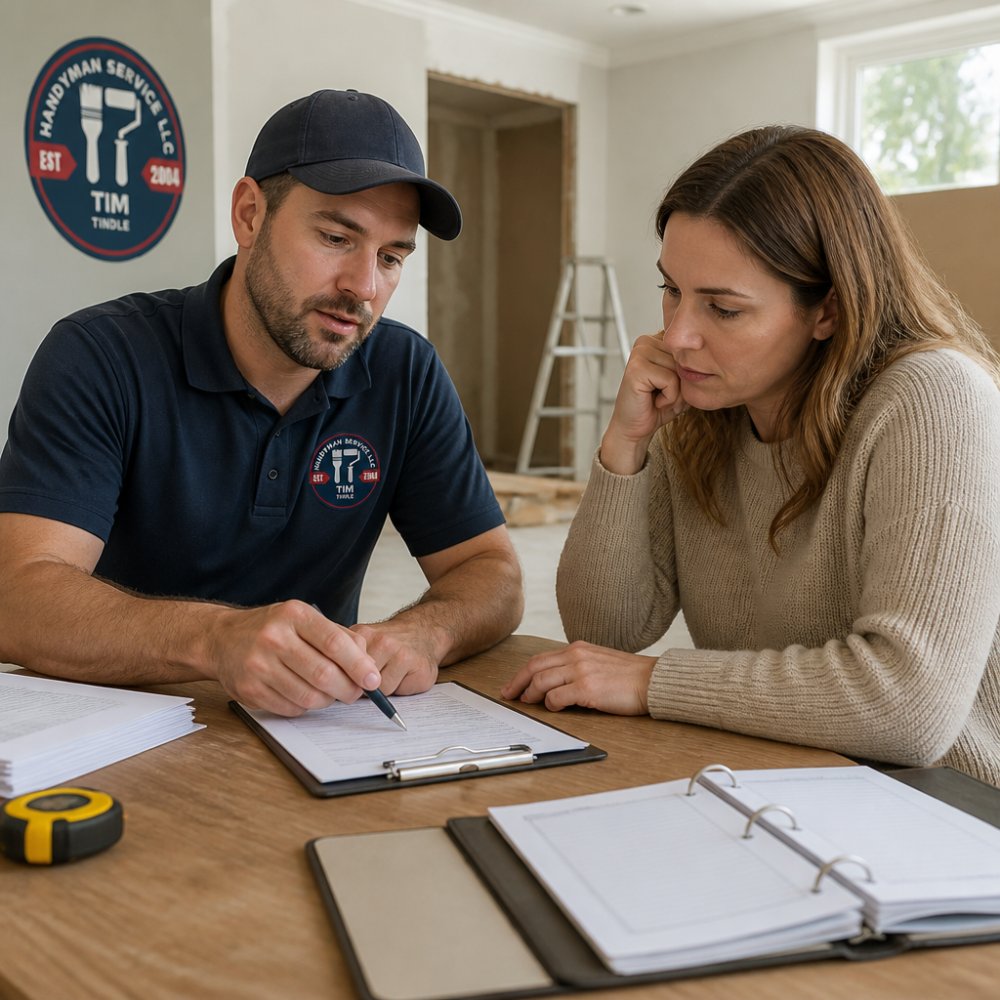
Before you agree to anything, discuss what the contract will include. A written contract protects both of you by spelling out exactly what's included, what's not, and what happens if things change.
The contract should specify the project scope in detail, every task, material, and finish. Vague language like "paint the bedroom" invites disputes. Instead, it should say "paint bedroom walls with two coats of Benjamin Moore eggshell finish, color #XYZ, including trim and ceiling."
Payment Schedule and Deposit Terms
How much deposit does the contractor expect upfront? Anything higher, like 75% or full payment upfront, is a red flag.
Discuss the payment schedule tied to project milestones. Common structure: deposit upon signing, payment upon material delivery, payment upon completion of major phases, final payment upon project completion. Never pay in full until the work is finished and you've inspected it. Include a clause requiring a lien waiver from the contractor and any subcontractors before final payment, this protects you from liens filed against your property if the contractor doesn't pay their suppliers.
Red Flags When Hiring a Contractor
Certain behaviors signal trouble before you sign. If you see these, keep looking.
Pre-Hiring Red Flags
A contractor who pressures you to decide immediately, won't provide references, or quotes significantly lower than others are warning signs. Extremely low bids often mean corners will be cut or the contractor will demand change orders mid-project to make up the difference. A professional contractor is confident enough to let you check their work and talk to past clients.
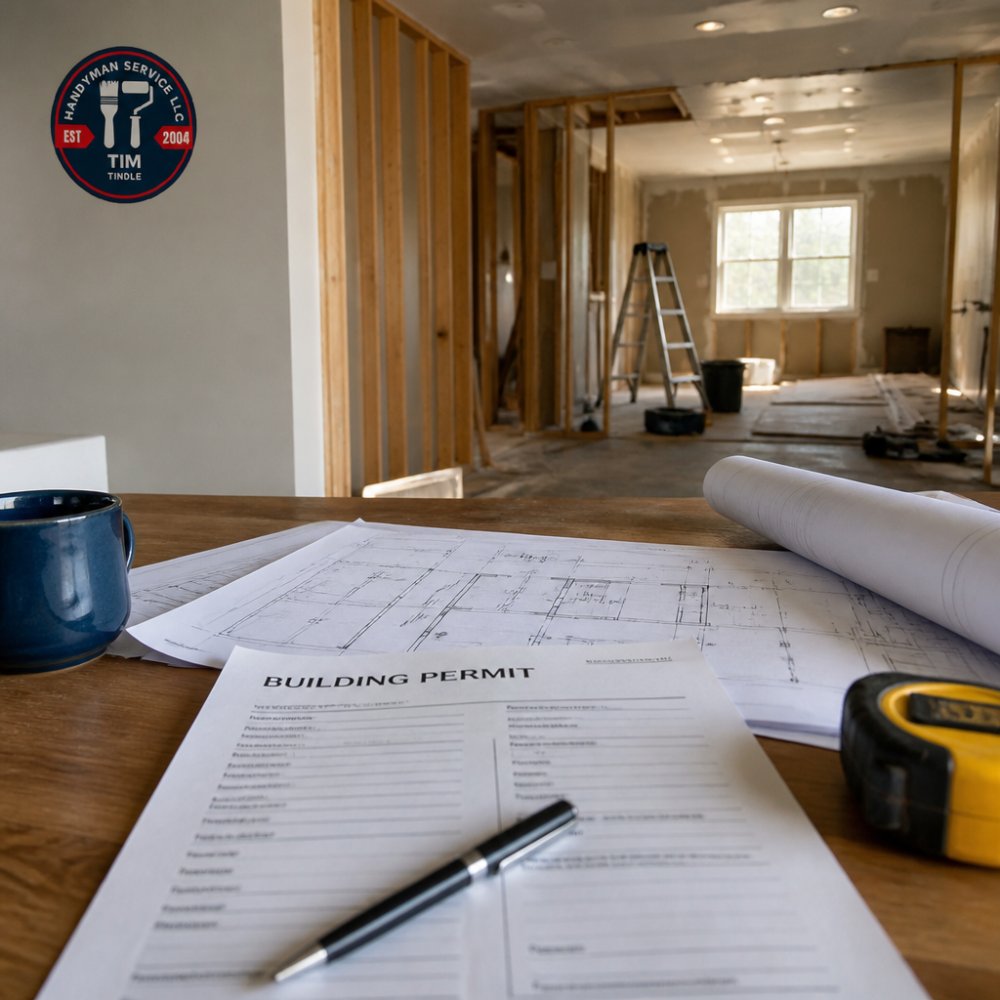
Watch for vague answers about permits and building codes. A contractor who says "we don't need a permit for this" or "permits just slow things down" is either inexperienced or cutting corners. Permits exist to ensure work meets building codes and protects you legally. Any contractor worth hiring will pull the necessary permits and can explain which permits your project requires.
Be wary of contractors who want payment in cash only or ask you to pay suppliers directly. These practices make it harder to track spending and create disputes about what was actually paid for. A legitimate contractor includes material costs in their estimate and handles payments themselves. Cash-only contractors may also be avoiding tax reporting, which signals financial instability or legal risk.
If a contractor cannot provide proof of active liability insurance or workers' compensation when asked, or if they seem evasive about their licensing status, do not proceed. These are non-negotiable.
The Subcontractor Question: A Critical Blind Spot
Most homeowners focus on vetting the general contractor but forget to ask who is actually doing the work. Many contractors hire subcontractors for specific trades, electricians, plumbers, HVAC technicians, framers. If the subcontractor is uninsured or unlicensed, you inherit the liability even though you hired the general contractor.
Call 720-989-4123 for a free estimate →
Before signing, ask the contractor: "Who will be performing the work?" Request the names and contact information of all subcontractors. Verify that each subcontractor is licensed in their trade. For example, electricians must be licensed in most states; plumbers must be licensed. Call your state's licensing board for each trade to confirm. Ask the general contractor for proof of workers' compensation insurance that covers their subcontractors, or request certificates of insurance from the subs directly.
Ask how the general contractor vets their subs. Do they check references? How long have they worked together? A contractor who has worked with the same reliable subs for years is lower risk than one who hires different crews for every job. If a subcontractor has a poor reputation or complaint history, the general contractor should be able to explain why they still use them, or they should not be using them.
Include a contract clause requiring the general contractor to be responsible for all subcontractor performance. If a sub damages your home or performs poor work, the general contractor is liable, not you. This shifts accountability where it belongs.
Post-Hiring Red Flags and Dispute Resolution
Even after you hire, watch for warning signs that the project is heading toward trouble. If the contractor stops communicating, misses scheduled work days without explanation, or refuses to address quality concerns, document everything immediately.
If a contractor abandons the job mid-project, you have limited options. First, send a written notice (email or certified mail) stating that the contractor has abandoned the work and give them a deadline to resume (typically 5-10 days). Keep a copy. If they do not return, you may have grounds to hire another contractor to finish the work and sue the original contractor for the cost difference. However, this requires documentation that the contractor breached the contract.
If the contractor performs subpar work, do not pay the final invoice. Document the defects with photos and written descriptions. Send a written notice detailing the defects and requesting repair within a specific timeframe (typically 10-30 days). If the contractor refuses to fix the work, you have several options:
Small Claims Court: Small claims court is fast and inexpensive. You do not need a lawyer. File in the county where the work was performed.
Mediation: Before litigation, consider mediation. A neutral third party helps you and the contractor reach a settlement. This is faster and cheaper than court.
Licensing Board Complaint: File a complaint with your state's contractor licensing board. If the contractor violated licensing laws or regulations, the board can investigate and take disciplinary action, including license suspension. This does not recover your money but prevents the contractor from harming others.
Attorney and Litigation: For larger disputes, hire a construction attorney. They can send a demand letter, negotiate, or file a lawsuit.
Using a Contractor Reference Check Template
References are your window into how a contractor actually performs. Don't just ask for names, use a structured approach.
| Question | What to Listen For | Red Flag |
|---|---|---|
| Did work stay on schedule? | Specific timeline, minor delays explained | Vague answers or multiple delays |
| Was the final cost as quoted? | Matched estimate or small change orders explained | Significant overages or surprise costs |
| How was communication? | Regular updates, responsive to questions | Difficult to reach, avoided conversations |
| Any quality issues? | None, or minor issues fixed immediately | Unresolved problems or poor fixes |
| Would you hire again? | Enthusiastic yes | Hesitation or no |
Requesting and Comparing Written Estimates
Never hire based on a verbal quote. Get everything in writing, and get multiple estimates to compare.
How to Protect Yourself After Hiring
Your vetting doesn't end once you sign the contract. Stay involved throughout the project.
Frequently Asked Questions
How do I verify a contractor's license and insurance?
Request a copy of the contractor's license and ask for proof of liability insurance and workers compensation coverage. Verify the license directly with your state's licensing board or regulatory agency, you can confirm the license is current and in good standing. Call the insurance company listed on the certificate to confirm coverage is active. Never rely on documents the contractor provides without independent verification.
What questions should I ask a contractor before hiring?
Ask about their experience with your specific project type, how long they've been in business, whether they're licensed and insured, their warranty coverage, their payment schedule, and their timeline for completion. Request references from recent projects similar to yours and ask about their process for handling change orders and unexpected issues. Clarify whether they handle all work themselves or use subcontractors, and if so, how they vet those subcontractors.
What are the biggest red flags when hiring a contractor?
Watch for contractors who demand large upfront deposits, won't provide written estimates or contracts, lack verifiable licenses or insurance, avoid answering questions directly, have no references available, pressure you to decide immediately, or quote significantly lower than other estimates without explanation. Avoid anyone unwilling to discuss payment terms, warranty details, or project timelines in writing. Contractors operating only as cash-only businesses or without a stable business address are also warning signs.
Should I get multiple estimates before hiring?
Yes. Request written estimates from at least three contractors. Compare not just the total price but the scope of work, materials specified, timeline, warranty terms, and payment schedule. A significantly lower estimate may indicate the contractor is cutting corners or underestimating the work involved. Use the estimates to understand the project scope better and identify which contractor best matches your needs and budget.