 blog
Best Handyman Services in Centennial CO: 2026 Guide
Table of Contents
- How to Choose the Best Handyman Services in Centennial CO
- Handyman Hourly Rates in Colorado: What to Expect
- Common Home Repairs a Professional Handyman Can Handle
- How to Vet a Local Handyman Before You Hire
- Handyman vs. Licensed Contractor: When You Need Each
- Seasonal Home Maintenance Checklist for Centennial Homeowners
- Permit Requirements and Subcontractor Vetting in Centennial
- Frequently Asked Questions
Last Updated: September 22, 2026
How to Choose the Best Handyman Services in Centennial CO
Finding the best handyman services in Centennial CO starts with one filter: verify licensing and insurance first. This guide from Handyman Service Aurora covers how to vet local providers, what repairs they handle, and how to avoid common hiring mistakes.
Licensing, Insurance, and Verification
Licensing and insurance verification means confirming a handyman holds the required credentials and liability coverage before work begins. In Colorado, general handyman work is not licensed at the state level, but electrical, plumbing, and HVAC work requires a licensed trade professional. Always ask for a certificate of insurance and confirm the policy is current.
Signs of a Reliable Local Provider
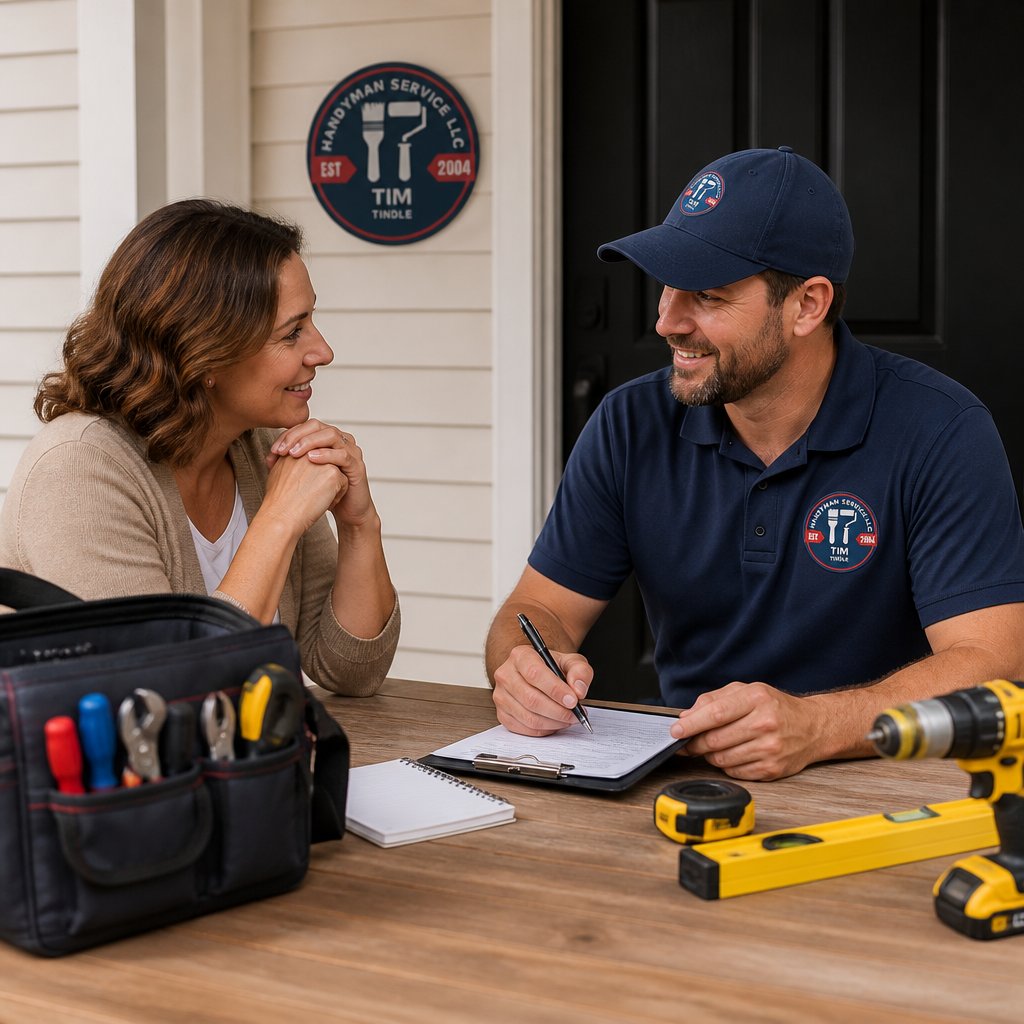
Reliable providers show up on time, provide written estimates, and communicate clearly about scope. Look for:
- A physical business address and a working phone number
- Written estimates that itemize labor and materials separately
- A clear warranty or workmanship guarantee in writing
- Background-checked technicians, especially for in-home work
- Consistent scheduling flexibility and follow-through on callbacks
Handyman Hourly Rates in Colorado: What to Expect
Handyman hourly rates in Colorado vary by the type of work, the provider's experience, and whether specialized tools are needed. Most providers charge hourly plus materials; others quote flat fees for defined projects. Always request a written estimate before work begins.
Typical Rate Ranges and Trip Charges
Most handyman businesses in the south metro area price labor three ways: a straight hourly rate, a flat fee per task, or a minimum service call bundling the first hour. A common pattern is a one- to two-hour minimum per visit plus a trip charge for drive time and fuel. Ask whether the minimum is billed in 15-minute, 30-minute, or full-hour increments, that detail often changes the final invoice by 20% or more on a short punch list.
| Task | Typical Billing | What Drives the Price |
|---|---|---|
| Drywall patch (small hole) | Flat fee per patch | Number of patches, texture match, paint |
| Interior door adjustment or rehang | Flat fee per door | Door type, frame condition, hardware swap |
| Light fixture or ceiling fan swap | Hourly, 1-2 hr minimum | Fixture weight, existing wiring, ceiling height |
| Faucet or garbage disposal replacement | Flat fee per fixture | Shutoff condition, supply line age, disposal size |
| TV mount or shelving install | Flat fee per unit | Wall type (drywall vs. masonry), stud location |
| Caulking and re-sealing (per room) | Hourly or per-linear-foot | Removal of old caulk, surface prep |
| Deck board replacement | Per board plus labor | Board material, joist condition, fasteners |
Flat-Fee vs. Hourly Billing Models
| Billing Model | Best For | Watch Out For |
|---|---|---|
| Hourly rate | Small, unpredictable repairs | Scope creep and open-ended hours |
| Flat fee | Defined projects with clear scope | Vague scope descriptions |
| Materials + labor | Jobs needing custom parts | Marked-up material costs |
| Minimum service call | Single small task | Paying a full hour for 15 minutes of work |
Flat-fee pricing gives cost certainty, but only when the scope is detailed. Hourly billing works well for punch-list tasks. Ask which model applies before you commit, and whether the minimum service call is waived when you bundle multiple tasks into one visit, many providers roll a second small task into the same trip at a reduced rate.
What Changes the Price
Four factors move a quote more than anything else:
- Access and height. Second-story work, tight crawlspaces, and vaulted ceilings add labor time and sometimes require a second person.
- Condition of what's behind the wall. A faucet swap is quick until the shutoff valve crumbles. Providers who quote sight-unseen often pad the estimate to cover this risk.
- Materials sourcing. If the provider supplies the parts, expect a markup. If you supply them, expect a clause that labor warranty doesn't cover defective materials.
- Scheduling. Weekend, evening, and same-day calls typically carry a premium. Standard weekday scheduling is the cheapest window.
How to Compare Two Quotes
Put both estimates side by side and check three things: (1) does each line item separate labor and materials, (2) is the minimum billing increment stated, and (3) is the trip charge disclosed. A quote higher on labor but including materials and haul-away may be the cheaper total. The lowest hourly rate is rarely the lowest final invoice.
Common Home Repairs a Professional Handyman Can Handle
A professional handyman handles non-licensed repairs across carpentry, painting, drywall, and fixture installation, so you don't need three separate contractors for a mixed punch list.
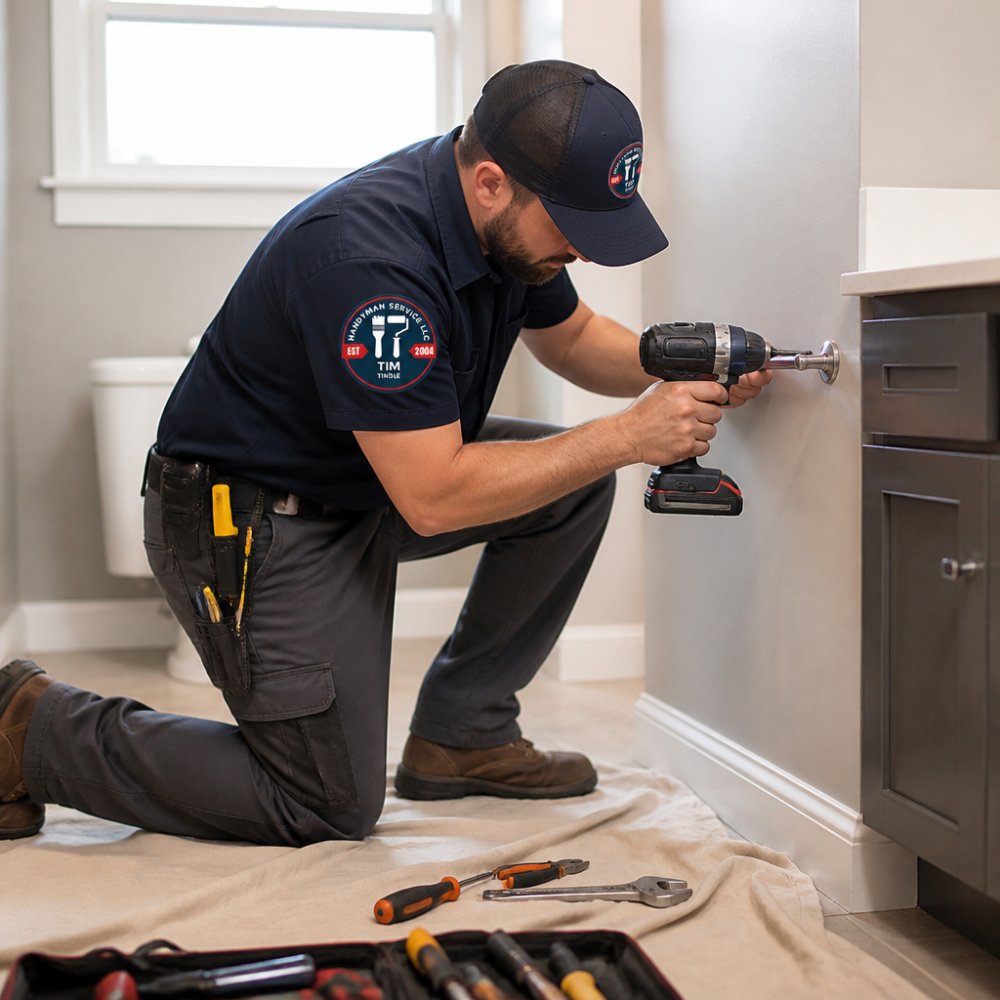
Typical projects include:
- Drywall repair and patching holes from anchors or door knobs
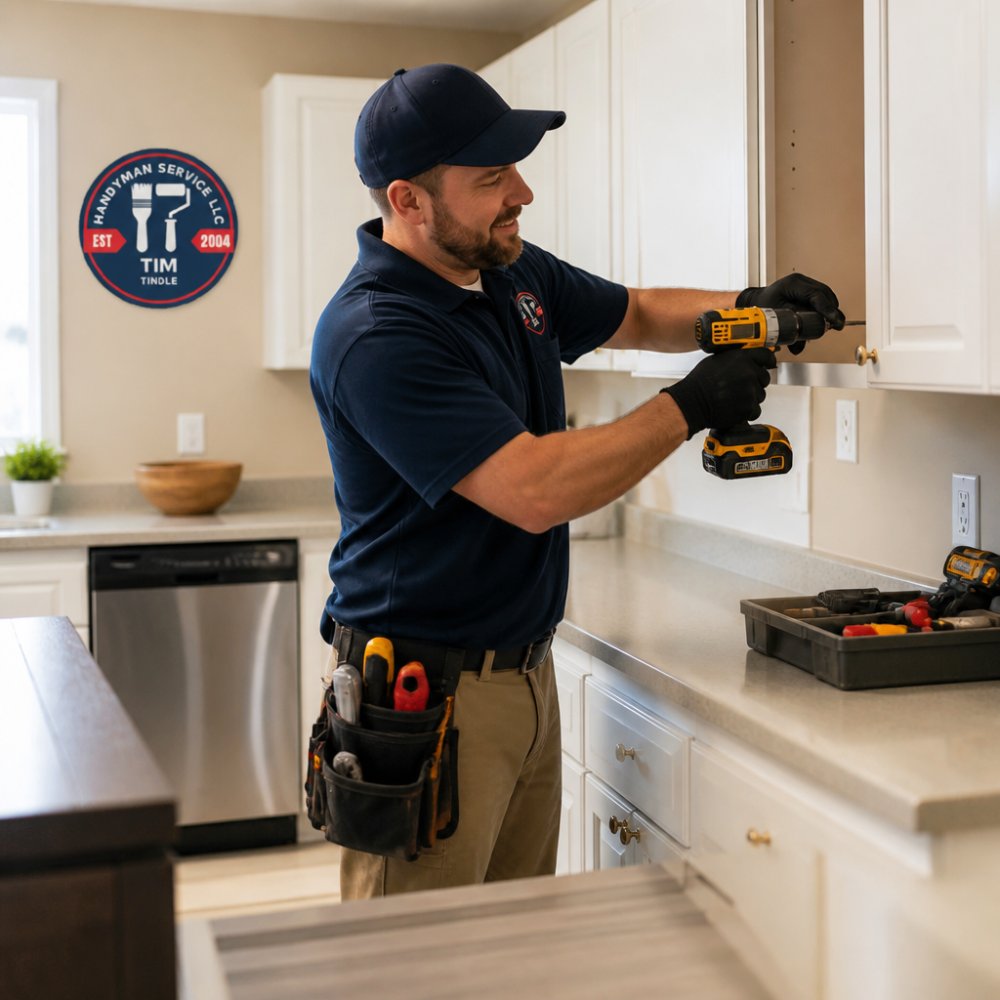
- Fixture installation, including light fixtures, faucets, and shelving
- Carpentry such as trim, baseboards, and custom woodwork
- Painting services for interior and exterior touch-ups
- Deck repair, including board replacement and sealing
- Caulking and sealing around windows, tubs, and sinks
- Appliance installation for dishwashers and similar units
How to Vet a Local Handyman Before You Hire
Vetting a local handyman means confirming credentials, checking references, and reviewing the estimate before work starts. It takes under 30 minutes and prevents most hiring regrets.
Questions to Ask and Red Flags to Avoid
Ask these directly:
- Are you licensed and insured, and can I see the certificate?
- Do you provide a written estimate with a materials breakdown?
- What's your workmanship guarantee, and how long does it last?
- Who will actually be on site, and are they background-checked?
- How do you handle change orders if the scope shifts?
Red flags include cash-only payment demands, no written estimate, pressure to decide immediately, and vague answers about insurance. Any one of these should end the conversation.
Handyman vs. Licensed Contractor: When You Need Each
A handyman handles general repairs and small projects. A licensed contractor handles work requiring a permit or trade license, such as structural changes, electrical panel work, or major plumbing. Knowing the difference prevents costly mistakes and failed inspections.
Use a handyman for:
- Cosmetic repairs and touch-ups
- Fixture and appliance installation
- Small carpentry and painting projects
- Routine maintenance tasks
Hire a licensed contractor for:
- Structural modifications or load-bearing changes
- Electrical panel upgrades or new circuits
- Gas line work or major plumbing
- Any project requiring a municipal permit
Seasonal Home Maintenance Checklist for Centennial Homeowners
Seasonal maintenance keeps small issues from becoming expensive repairs. Timing matters here: freeze-thaw cycles push water into hairline cracks and expand it overnight, while hail season stresses roofs, siding, and gutters in a compressed window. A proactive calendar beats a reactive repair list.
Spring (March-May): Thaw Damage and Water Intrusion
- Walk the exterior and note new cracks in stucco, brick mortar, and driveway concrete, freeze-thaw opens these every year
- Inspect the roof from the ground with binoculars for lifted or missing shingles after winter wind
- Clean gutters and downspouts; confirm downspouts discharge at least 4-6 feet from the foundation
- Re-caulk window and door exteriors where the old bead has cracked or pulled away
- Check the grading around the foundation for low spots that pool water
- Test exterior hose bibs for freeze damage before the first watering
Summer (June-August): Hail Season and Exterior Prep
- Photograph the roof, siding, and gutters before storm season so you have a baseline for any insurance claim
- After any hail event, inspect for dented gutters, cracked siding, and granule loss on shingles
- Re-seal or stain the deck before the wood dries out and checks
- Repaint exterior trim where paint is peeling, bare wood absorbs water fast
- Service the irrigation system and check for broken heads and leaks
- Re-caulk around tubs, sinks, and countertops as interior humidity rises
Fall (September-November): Winterization
- Disconnect hoses and shut off and drain exterior faucets before the first hard freeze
- Seal gaps around exterior penetrations (pipes, vents, dryer outlets) with caulk or expanding foam
- Schedule a furnace inspection with a licensed HVAC professional, this is not handyman work
- Clean gutters a second time after leaf drop
- Check weatherstripping on doors and windows; replace where compressed
- Inspect the attic for daylight or frost patterns that signal insulation gaps
Winter (December-February): Freeze and Ice Management
- Watch for ice dams at the eaves, a sign of attic heat loss, not just bad luck
- Check interior ceilings and walls for new water stains after snowmelt
- Test smoke and carbon monoxide detectors and replace batteries
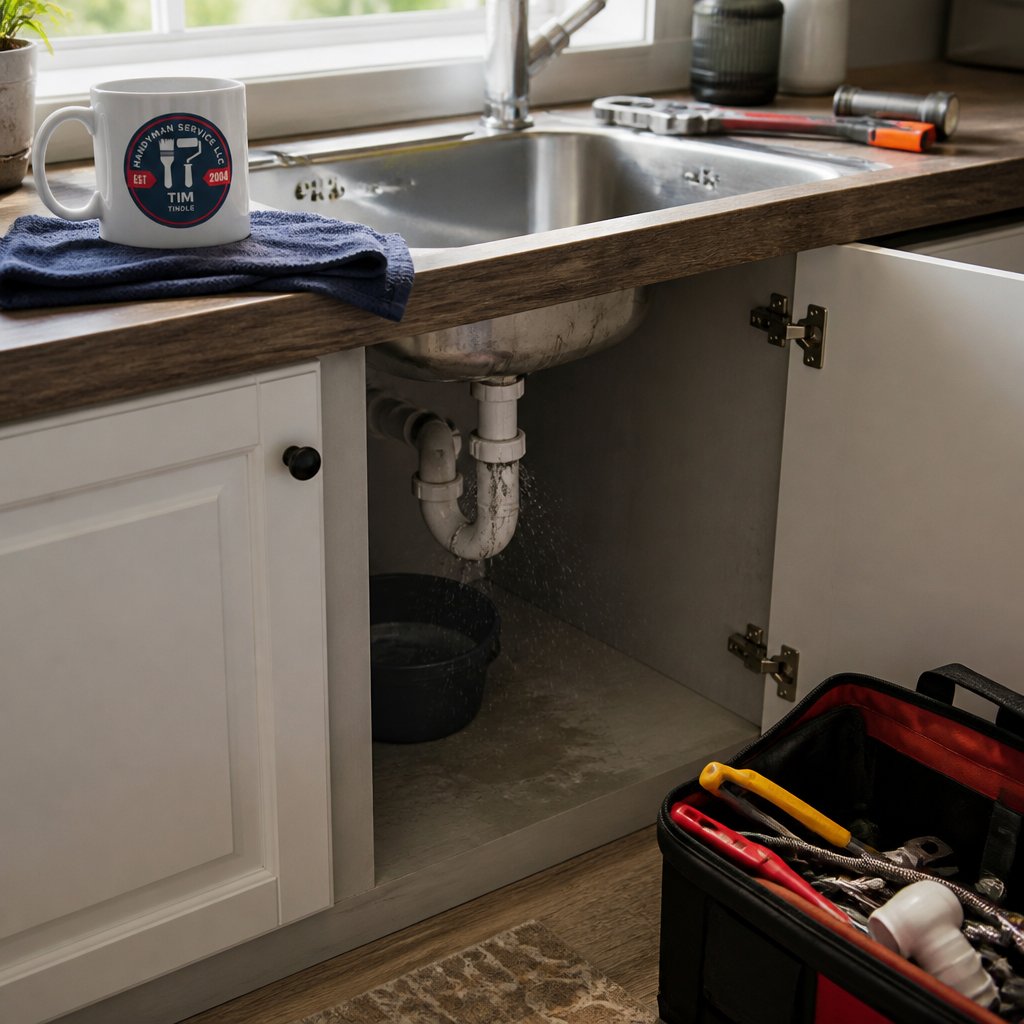
- Inspect under sinks for slow drips that freeze in exterior-wall cabinets
- Keep the furnace filter changed monthly during heavy use
How to Turn the Checklist Into a Service Visit
Most of these items are small enough to bundle into one seasonal handyman visit. Bundle the tasks, the trip charge and minimum service call apply once, not per item.
Permit Requirements and Subcontractor Vetting in Centennial
Most routine handyman work does not require a permit; structural changes, electrical work, plumbing modifications, and additions do. Requirements vary by project type, so confirm with the local building department before work begins.
Frequently Asked Questions
How much do handyman services cost in Centennial, CO?
Pricing depends on the scope of work, materials, and whether the job is billed hourly or as a flat fee. Most providers in the Centennial area offer free estimates so you can compare quotes before committing. Ask each provider whether their estimate includes materials and whether they charge a trip fee. Request a written quote that lists labor and materials separately to avoid surprise charges later.
What tasks can a professional handyman perform?
A professional handyman handles drywall repair, fixture installation, caulking and sealing, painting, carpentry, deck repair, and general home maintenance. Many also assist with appliance installation and minor plumbing or electrical troubleshooting that does not require a licensed trade specialist. For major electrical panel work, gas lines, or structural changes, a licensed contractor is the right call. Confirm the scope in writing before work begins.
Are handyman services in Colorado required to be licensed?
Colorado does not issue a statewide handyman license, but individual municipalities may require registration or a contractor license for certain work. Providers should carry general liability insurance and workers' compensation coverage. Always ask for a certificate of insurance and verify it directly with the insurer. For electrical, plumbing, or structural work, hire a state-licensed trade professional. A reputable handyman will gladly provide documentation on request.
How do I verify if a handyman is insured in the Denver Metro area?
Ask for a certificate of insurance showing general liability coverage and, if they have employees, workers' compensation. Call the insurance company listed on the certificate to confirm the policy is active and covers the type of work you need. Check the provider's business registration with the Colorado Secretary of State. A licensed and insured handyman will provide these documents without hesitation. If a provider resists sharing proof, move on to another.
Hiring the wrong handyman costs more than money. It costs time, trust, and sometimes the integrity of your home. Handyman Service Aurora provides licensed, insured service across Centennial and the Denver Metro area, with free estimates, background-checked technicians, and a workmanship guarantee on every project. Call 720-989-4123 for a free estimate and get your repairs handled by a team that shows up on time.