 blog
Common Home Maintenance Mistakes to Avoid
Table of Contents
- Common Home Maintenance Mistakes to Avoid: Why Small Oversights Become Big Bills
- 1. Ignoring Small Repairs Until They Snowball
- 2. Skipping Routine Home Inspections
- 3. Neglecting Roof Condition, Leaks, and Gutters
- 4. Overlooking Plumbing Leaks and Moisture Problems
- 5. Neglecting HVAC Maintenance, Air Filters, and Airflow
- 6. Skipping Appliance Maintenance and Dryer Vent Cleaning
- DIY Home Maintenance Mistakes: When to Call a Professional
- Seasonal Home Maintenance Checklist
- Frequently Asked Questions
Last Updated: October 15, 2026
Common Home Maintenance Mistakes to Avoid: Why Small Oversights Become Big Bills
Most home maintenance problems start small: a slow drip, a gutter packed with leaves, a filter you keep meaning to change. Skip them long enough and a cheap fix becomes an expensive repair.
Neglect a small task for a season or two and you're looking at water damage, a failing HVAC system, or a roof leak rotting decking for months. Below are the seven most common home maintenance mistakes to avoid, with warning signs and a schedule you can stick to.
1. Ignoring Small Repairs Until They Snowball
The most common home maintenance mistake is waiting. A loose railing, a running toilet, a hairline crack in the caulk around a tub: none feel urgent, so they sit. But water and wear don't pause. A running toilet wastes water daily, and a cracked caulk line lets moisture into the wall behind your tile, feeding mold and rotting framing.
How to Spot the Warning Signs Early
Walk your home once a month and look for these signals:
- Water stains on ceilings, walls, or under sinks
- Soft or spongy spots in floors near tubs and toilets
- Doors or windows that suddenly stick or won't latch
Any one of these means look closer; two or more in the same area usually means moisture is already at work.
2. Skipping Routine Home Inspections
A home inspection isn't just for buying a house. A yearly walkthrough of your own property catches problems while they're still cheap to fix.
Most homeowners never do this. They wait for something to break. By then, the damage has often been spreading for months.
A simple routine maintenance inspection covers:
- Roof and attic (from the ground and inside)
- Gutters and downspouts
- Foundation and exterior walls
- Plumbing under every sink
- HVAC system and filters
- Electrical panel and outlets
- Windows, doors, and weather seals
You don't need special tools. A flashlight, a notepad, and 45 minutes will do. Write down anything that looks off, then decide what to fix now and what to watch.
3. Neglecting Roof Condition, Leaks, and Gutters
Your roof is your home's first line of defense, and the area most homeowners check last. Look for missing or curling shingles, cracked flashing around chimneys and vents, and granules in gutters.
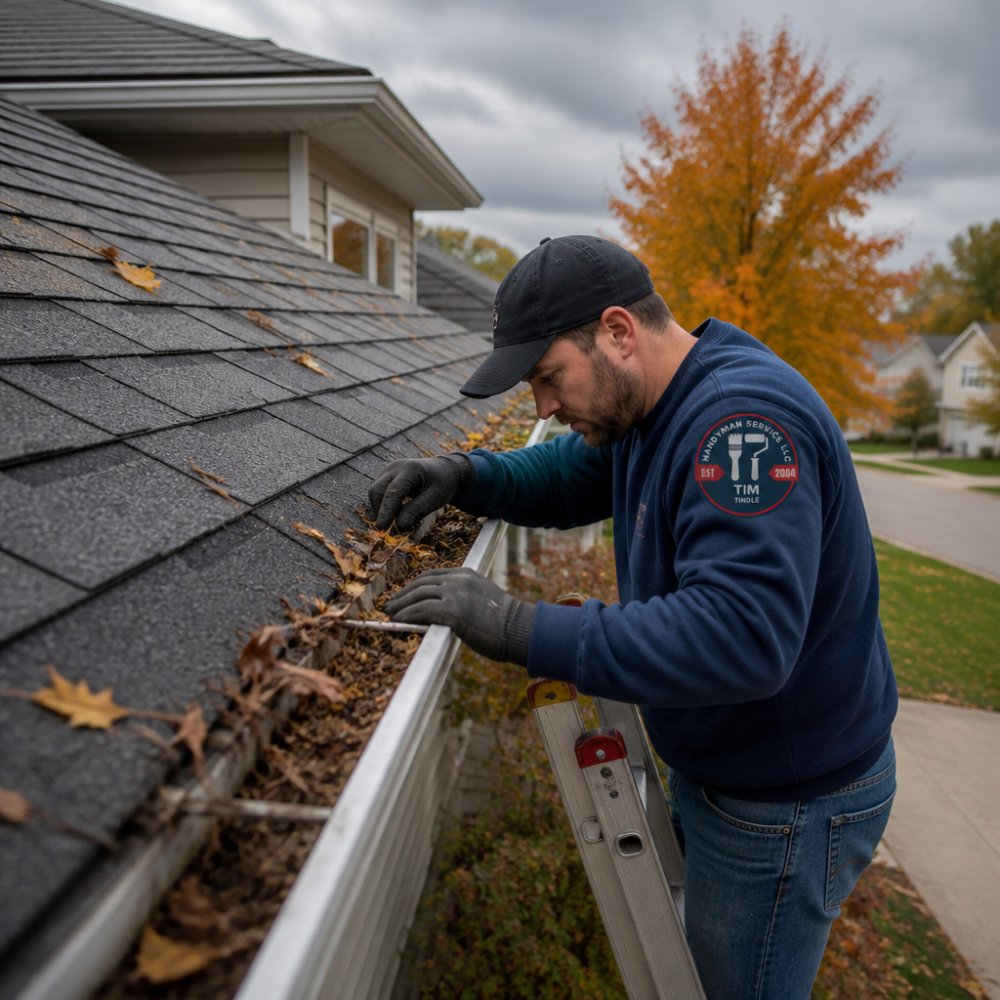
Clogged Gutters and Downspouts: The Hidden Water Damage Threat
Clogged gutters are one of the most overlooked causes of water damage in a home. When debris blocks the flow, water backs up under the roof edge, spills down your siding, and pools around the foundation, seeping into the basement or crawl space and softening the soil, leading to structural issues that cost far more than a gutter cleaning. Clear your gutters at least twice a year, adding a third pass in late fall if you have tree growth nearby, and check that downspouts carry water at least a few feet from the house.
4. Overlooking Plumbing Leaks and Moisture Problems
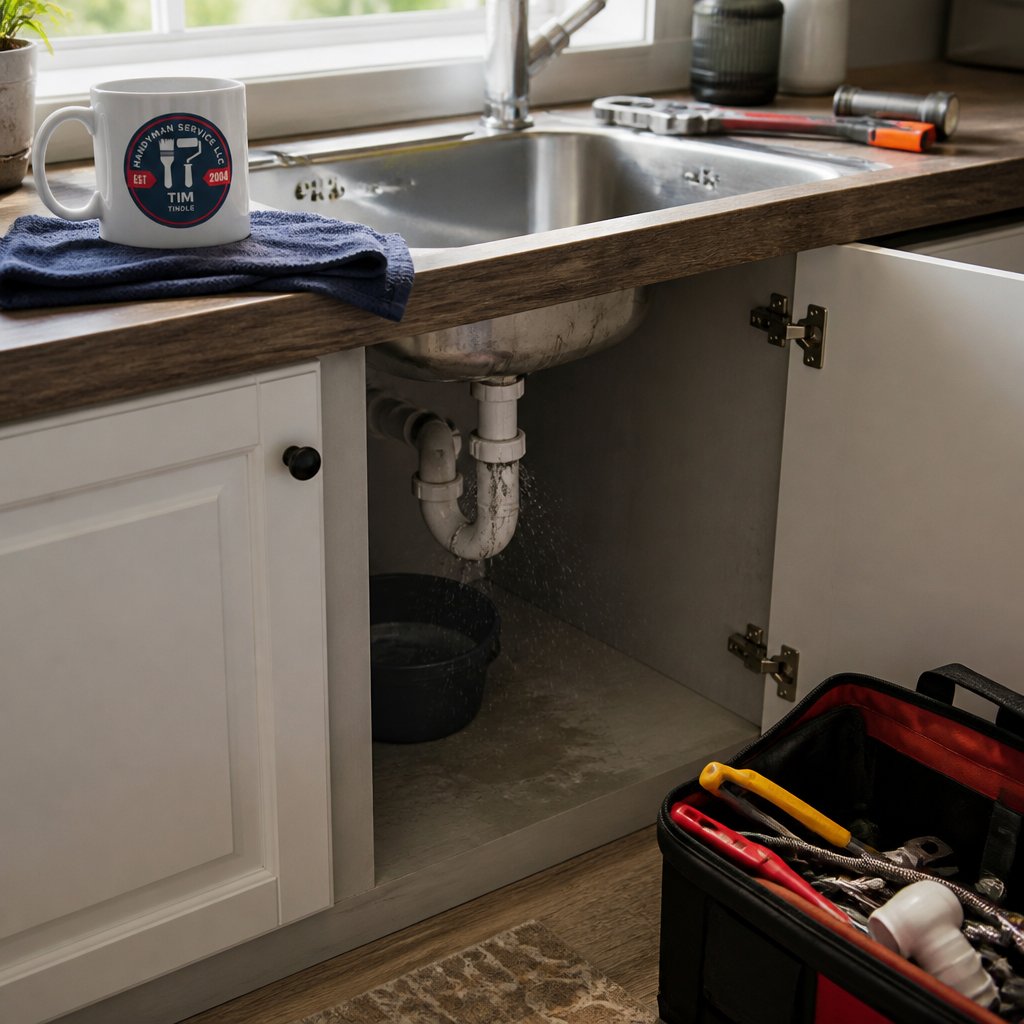
Plumbing leaks are sneaky, most start behind a wall, under a cabinet, or beneath a floor, unseen until the damage is done.
Check these spots every few months:
- Under every sink, looking for damp cabinet floors
- Around the water heater, for rust or moisture
- Behind the washing machine, for cracked hoses
Fix a slow drip now: a steady leak under a sink can rot the cabinet, warp the floor, and invite mold within weeks. Moisture problems rarely stay contained.
5. Neglecting HVAC Maintenance, Air Filters, and Airflow
Your HVAC system works hardest when you ignore it. A dirty air filter forces the blower to push against resistance, raising your energy bill and shortening the unit's life. It's the cheapest task in home maintenance, and the one most often skipped.
Filter Frequency and What to Look For
Change your filter every 1 to 3 months, but treat that range as a starting point. The right interval depends on what is in your home:
- No pets, low dust: every 3 months
- One or more pets: every 1 to 2 months
- Smokers, recent remodeling, or a dusty area: every month
Filter ratings matter. A basic fiberglass filter (MERV 1-4) catches large debris but little else; a pleated MERV 8-11 filter is the common middle ground. Higher ratings (13 and up) capture finer particles but restrict airflow and can strain a system not designed for them, check your owner's manual before going above MERV 11. Hold the old filter up to a light: if you cannot see light through it, it was overdue.
Airflow: The Problem Most Homeowners Create
Airflow matters as much as the equipment. A system needs a clear path for return and supply air; blocked vents starve rooms of heat and cooling, so the system runs longer than it should.
Watch for these signs of restricted airflow:
- Rooms that never reach the thermostat setting
- Weak airflow at registers compared to other rooms
- A blower that sounds louder than usual
Keep vents and returns clear of furniture, rugs, and curtains. Trim plants and clear debris buildup around the outdoor unit, two feet of clearance on all sides.
When to Call a Professional
Some HVAC tasks are safe for a homeowner. Others are not.
Safe for most homeowners:
- Changing the air filter
- Clearing debris from around the outdoor condenser
- Opening and closing supply and return registers
Call a licensed HVAC technician for:
- Any work involving refrigerant lines or the sealed system
- Gas furnace inspection, cleaning, or repair
- Electrical work inside the air handler or condenser
Schedule a professional tune-up once a year, ideally in spring before cooling season or fall before heating season. A technician will clean the coils, check refrigerant charge, inspect the heat exchanger, and test electrical connections. A well-maintained system commonly lasts 15 to 20 years; a neglected one often fails years earlier, and replacement is one of the largest single expenses a homeowner faces.
6. Skipping Appliance Maintenance and Dryer Vent Cleaning
Appliances get used daily, so they wear out quietly. Appliance maintenance is the task almost everyone skips, and one of the most expensive to ignore, because a failed appliance often causes water damage or a fire, not just a replacement bill.
Call 720-989-4123 for a free estimate →
Dryer Vent: The Highest-Stakes Task on This List
Start with the dryer vent. Lint buildup restricts airflow, letting heat and lint accumulate in a confined space, a well-documented fire risk, and the reason dryer vent cleaning is the one appliance task worth prioritizing over all others.
Warning signs the vent line needs attention:
- Clothes take longer than one cycle to dry
- The dryer or the laundry room feels unusually hot
- A burning or musty smell during operation
Have the full vent line cleared at least once a year; homes with long runs, multiple elbows, or heavy use may need it more often. If the run is long, kinked, or routed through a wall or roof, hire a professional, improper cleaning can damage the duct or leave lint packed in place.
The Rest of Your Appliances: Intervals and Warning Signs
Each appliance has a maintenance interval and observable warning signs.
Refrigerator: Vacuum the condenser coils twice a year (usually behind the unit or under a front grille).
Washing machine: Check supply hoses for cracks, bulges, or stiffness twice a year.
Garbage disposal: Run cold water before, during, and after use, and avoid fibrous or greasy items.
These are the frequently used items in your home.
DIY Versus Professional: Appliance Edition
Safe for most homeowners:
- Cleaning the lint trap and vacuuming the dryer vent opening
- Vacuuming refrigerator coils
- Running a dishwasher cleaning cycle
Call a professional for:
- Any gas appliance repair or adjustment
- Water heater flushing if you are unsure of the valve condition, and all water heater repairs
- Dryer vent cleaning when the run is long, hidden, or hard to reach
Homeowners often replace appliances that failed for preventable reasons. A dryer that overheats, a washing machine hose that bursts, or a water heater that rusts out from sediment are all failures routine maintenance would have caught.
DIY Home Maintenance Mistakes: When to Call a Professional
Knowing your limits is the smartest DIY home maintenance skill there is. Some jobs are safe and simple. Others put you, your home, or your insurance coverage at risk.
Here's a simple way to decide:
| Task | DIY or Pro? | Why |
|---|---|---|
| Changing air filters | DIY | Safe, quick, no tools needed |
| Cleaning gutters (single story) | DIY with care | Ladder safety is the main risk |
| Clearing a simple drain clog | DIY | Low risk with basic tools |
| Roof inspection from the ground | DIY | Never walk a steep or wet roof |
| Roof repairs and leaks | Pro | Fall risk and hidden damage |
| Gas appliance work | Pro | Dangerous without a license |
| Electrical panel work | Pro | Shock and fire risk |
| Water heater repair | Pro | Pressure and gas risks |
| Foundation cracks | Pro | Structural issues need an expert |
| Mold behind walls | Pro | Health risk and hidden spread |
Safety Thresholds and DIY vs. Professional Guidance
Three rules keep most homeowners out of trouble.
Never work on a roof you can't walk safely. Steep pitch, wet shingles, or any height above a single story means call a pro.
Never touch gas lines or the electrical panel. These need a licensed professional. Mistakes here can cause fires, shocks, or worse.
Never chase a problem you can't fully see. If water is coming from behind a wall, or a crack keeps coming back, the real cause is hidden.
Seasonal Home Maintenance Checklist
A home maintenance checklist keeps you ahead of problems instead of reacting to them. Here's a simple seasonal maintenance plan for the year.
| Season | Key Tasks | Watch For |
|---|---|---|
| Spring | Inspect roof, clean gutters, check AC | Winter damage, clogged downspouts |
| Summer | Check irrigation, seal cracks, service AC | Foundation cracks, high cooling bills |
| Fall | Clear gutters, service furnace, seal windows | Debris buildup, drafts, roof leaks |
| Winter | Watch for ice dams, check pipes, test alarms | Frozen pipes, moisture problems |
New homeowner maintenance mistakes often come down to timing: new owners don't yet know what their home needs each season, so small tasks pile up.
The goal isn't a perfect home. It's catching small repairs before they turn into costly repairs.
Frequently Asked Questions
What home maintenance tasks should homeowners never skip?
Never skip roof inspections, gutter cleaning, HVAC filter replacement, and plumbing leak checks. These four tasks prevent the most expensive damage. A clogged gutter can send water into your foundation, a dirty filter strains your HVAC system, and a slow plumbing leak can rot subflooring. Schedule these as part of a home maintenance checklist and set calendar reminders so they do not slip.
How often should you inspect your home for maintenance issues?
Walk through your home monthly for a quick visual check of visible plumbing, vents, and windows. Do a deeper inspection each season, including the roof, gutters, HVAC system, and appliances. An annual professional home inspection catches structural issues and moisture problems you might miss. Regular checks keep small repairs from becoming costly repairs.
Which home maintenance mistakes can lead to costly repairs?
Ignoring small leaks, skipping roof and gutter maintenance, neglecting HVAC air filters, and delaying appliance upkeep cause the biggest bills. Water damage from a blocked downspout can compromise your foundation. A neglected HVAC system loses efficiency and may fail entirely. Addressing these early keeps repair costs manageable and helps preserve insurance coverage.
When should you hire a professional instead of doing home maintenance yourself?
Call a licensed professional for roof work, electrical repairs, major plumbing, and anything involving gas lines. DIY home maintenance mistakes on these systems risk injury and code violations. For tasks like painting, caulking, or gutter cleaning, DIY is fine if you have the right tools and comfort with heights. When in doubt, a free estimate from a licensed provider gives you a clear picture before you commit.
Small problems become big bills when they sit. If your list is piling up, or you'd rather not climb a ladder to check a roof edge, Handyman Service Aurora can help. We're licensed and insured, we serve homeowners across Aurora, Foxfield, Parker, Centennial, and the Denver Metro area, and we offer free estimates so you know the scope before any work starts. Call 720-989-4123 for a free estimate and get your to-do list handled by a team you can trust.