 how-to
How to Prevent Frozen Pipes in Unheated Garages
Table of Contents
- How to Prevent Frozen Pipes in Unheated Garage Spaces
- Step 1: Insulate Exposed Pipes and Seal Air Leaks
- Step 2: Install Heat Tape or Heat Cables
- Step 3: Maintain Garage Door Seals and Monitor Temperature
- Step 4: Use Space Heaters and Ventilation Safely
- Step 5: Shut Off and Drain Water Supply Lines
- How to Thaw Frozen Pipes Safely
- Plumbing Winterization Checklist
- Frequently Asked Questions
Last Updated: October 2, 2026
How to Prevent Frozen Pipes in Unheated Garage Spaces
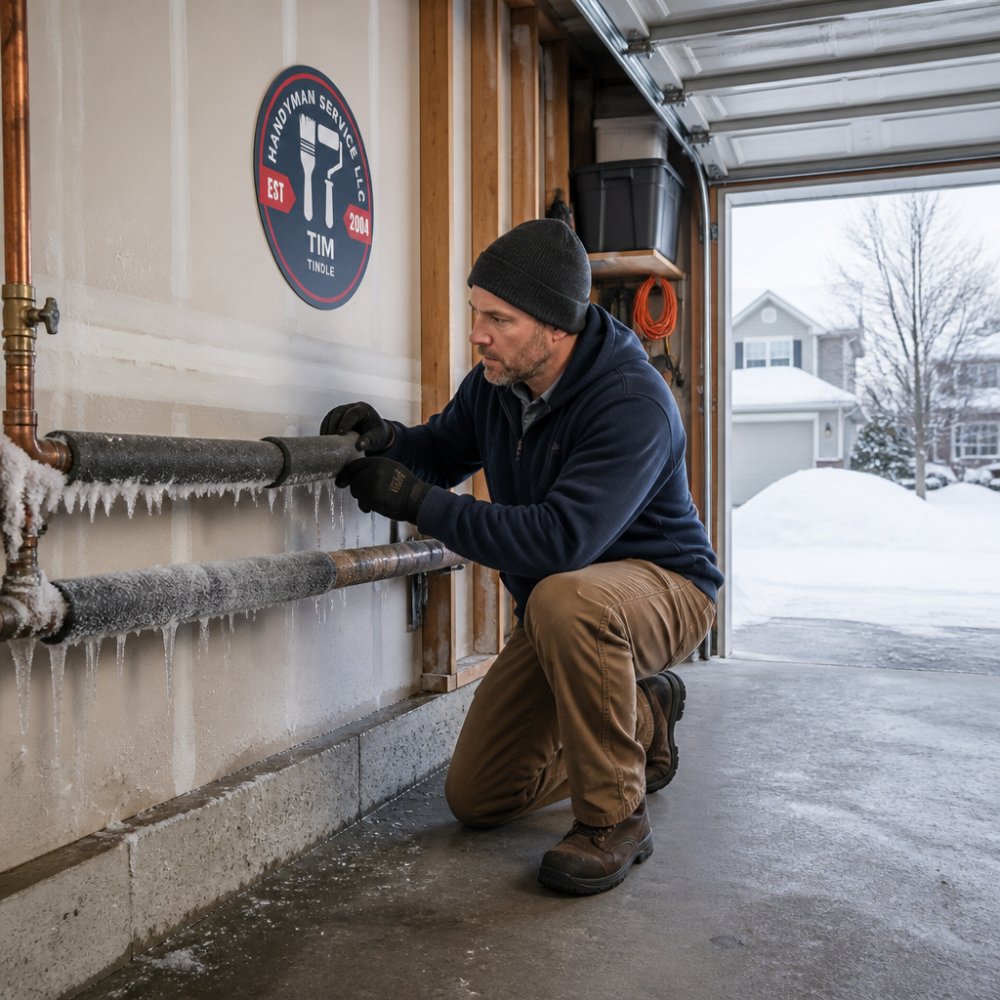
A garage that stays just above freezing during the day can drop well below 32°F overnight, and that swing is what bursts pipes. Water expands as it freezes, and the pressure has to go somewhere.
The stakes are real. A split copper line or cracked PEX fitting can release hundreds of gallons before anyone notices.
Below, we'll show you exactly how to prevent frozen pipes in unheated garage spaces in five steps, plus how to thaw a line that has already frozen and a printable checklist you can run through each fall.
Step 1: Insulate Exposed Pipes and Seal Air Leaks
Insulation slows heat loss. Sealing stops cold air from reaching the pipe in the first place. You need both, because foam sleeves on a pipe sitting in a draft still lose the fight.
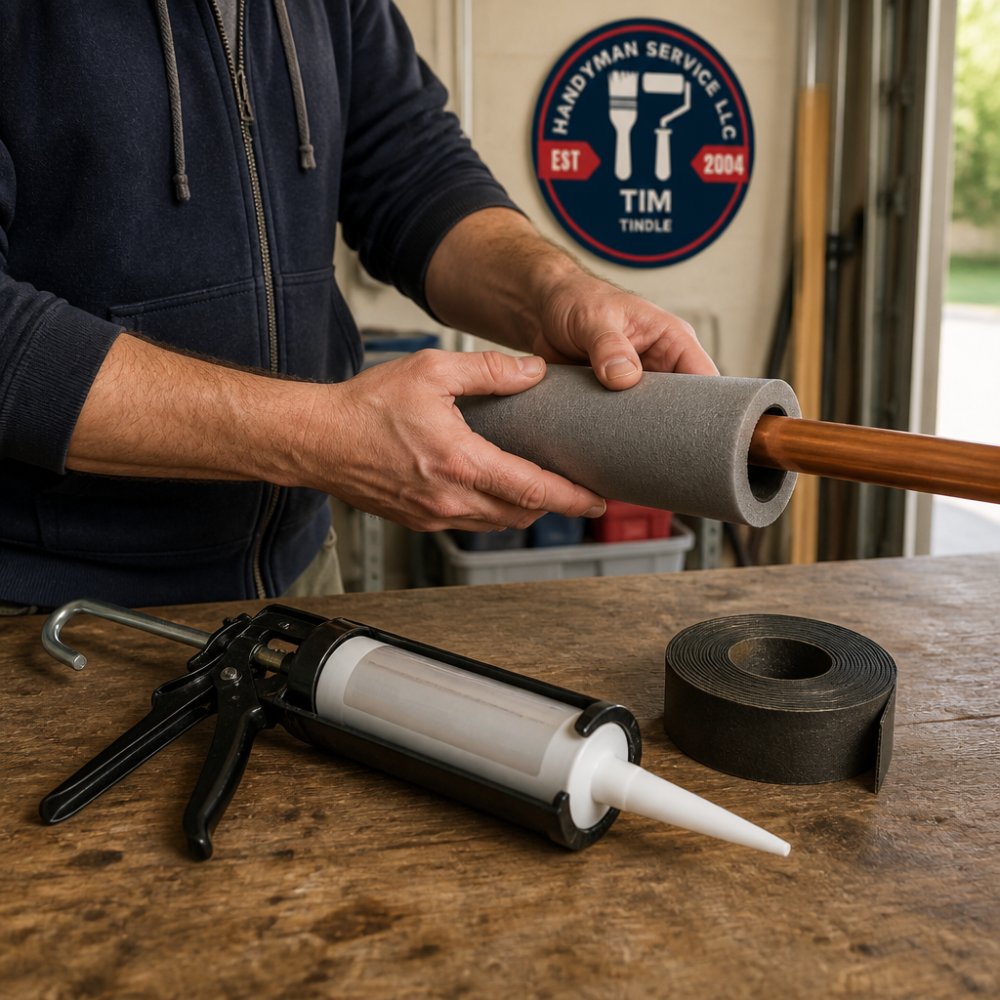
Start with every pipe you can see and touch. That includes supply lines running along the wall, the stub-out to a utility sink, and the line feeding a hose bib.
Choosing the Best Pipe Insulation for an Unheated Garage
The best pipe insulation for an unheated garage depends on your pipe material and the space's thermal swings.
Material compatibility guide:
- PEX: Use closed-cell foam sleeves sized to the pipe's outer diameter. PEX expands and contracts with temperature changes, so choose a flexible foam that won't crack. Avoid fiberglass wrap, which can abrade PEX over time.
- Copper: Foam sleeves work well, but for high-heat areas near water heaters, use fiberglass or rubber insulation rated for higher temperatures. Copper conducts heat away quickly, so thicker insulation (R-4 or higher) pays off.
- CPVC: Similar to PEX, closed-cell foam is ideal. Ensure the insulation is UV-resistant if any pipe is exposed to sunlight through a window.
- Galvanized steel: Rubber insulation is often best because it conforms to uneven surfaces and resists moisture that can cause rust.
Insulation types and trade-offs:
- Foam sleeves: Easiest for straight runs. Resists moisture, but can be more expensive upfront. R-values typically range from R-2 to R-4.
- Fiberglass batt wrap: Good for odd shapes and tight corners. Cheaper, but requires gloves and a mask during installation. Can lose R-value if compressed or damp.
- Rubber insulation: Flexible, durable, and excellent for moisture resistance. Higher cost, but often the best choice for garages with humidity swings.
- Pipe wrap tape: Use on joints, elbows, and tees where sleeves can't reach. Not a standalone solution.
Cost-benefit analysis: heating vs. insulating
Keeping a garage slightly heated with a space heater can cost $50-$100 per month in electricity, depending on climate and heater size. By contrast, insulating pipes and sealing air leaks is a one-time cost of $50-$200 in materials for a typical garage. The repair cost of a single burst pipe, including water damage, drywall, and plumbing, often exceeds $1,000. For most homeowners, insulation and sealing deliver a faster payback than continuous heating. If you must heat, use a thermostat-controlled heater set just above freezing to minimize energy use.
Garage-specific ventilation risks
Improper ventilation can create cold pockets that bypass insulation. For example, a garage with a ridge vent but no soffit vents can draw cold air down along walls, chilling pipes that are otherwise insulated.
- Foam sleeves: Easiest for straight runs of copper or PEX. Slide on, tape the seams.
- Fiberglass batt wrap: Good for odd shapes and tight corners. Wear gloves and a mask.
- Pipe wrap tape: Use on joints, elbows, and tees where sleeves can't reach.
- Pipe jacket: A heavier outer layer for pipes near a garage door or vent.
Higher R-value means better thermal resistance. For an unheated space, thicker is almost always the right call.
Sealing Gaps and Cracks in Garage Walls
Cold air infiltration is the quiet killer. A gap the width of a pencil can drop the temperature around a nearby pipe by several degrees.
Walk the garage with a caulk gun and look for:
- Cracks where the foundation meets the wall
- Gaps around pipe penetrations and cable runs
- Worn or missing garage door weatherstripping
- Daylight around window and door frames
- Openings around dryer vents and utility chases
Seal small cracks with exterior-grade caulk. Fill larger openings with spray foam, then trim it flush once cured. According to ENERGY STAR's guide to air sealing, sealing air leaks is one of the highest-return home improvements you can make.
Step 2: Install Heat Tape or Heat Cables
Heat tape adds a small, controlled amount of warmth directly to the pipe.
Look for UL-listed products. That mark means the cable has been tested for safety and is rated for the job you're asking it to do.
Installation basics:
- Run the cable along the pipe in a straight line or gentle spiral.
- Never overlap the cable on itself unless the label says it is rated for overlap.
- Tape it in place every foot or so with the manufacturer's tape, not duct tape.
- Insulate over the cable for the best result.
- Plug into a GFCI outlet.
For a thermostat-controlled cable, set it to turn on a few degrees above freezing. A pipe heater that runs constantly wastes power and shortens its own life.
Step 3: Maintain Garage Door Seals and Monitor Temperature
A garage door with a worn bottom seal is an open window.
Replace the bottom weatherstripping when it looks flattened, cracked, or torn.
Then start measuring.
Call 720-989-4123 for a free estimate →
- Mount a min/max thermometer at pipe height, not on a shelf.
- Check it during the coldest hours, usually before dawn.
- Note the reading on nights below 20°F.
Smart home monitoring for garages
Cost-benefit analysis: heating vs. insulating (revisited)
If you're considering a smart sensor, pair it with a thermostat-controlled space heater.
Garage-specific ventilation risks
As noted in Step 1, ventilation affects temperature distribution.
For a modern option, a smart sensor with phone alerts is worth the small cost.
Step 4: Use Space Heaters and Ventilation Safely
A space heater can hold a garage above freezing, but only if you respect two limits: clearance and ventilation.
Keep anything flammable at least three feet from the heater (Space Heater Safety: The 3-Foot Rule That Prevents Fires). That includes paint cans, cardboard, gas cans, and rags. Never leave a portable heater running unattended overnight.
Ventilation is the part most people get wrong. A garage with the door cracked for exhaust loses heat fast. A sealed garage with a fuel-burning heater builds up carbon monoxide. Electric heaters avoid that problem, but they still need airflow around the unit.
- Use electric heaters in enclosed garages.
- Never use a propane or kerosene heater in a closed space.
- Plug directly into a wall outlet, not an extension cord.
- Choose a unit with a tip-over shutoff and an overheat cutoff.
The Consumer Product Safety Commission's guidance on portable heaters is clear that unattended heaters are a leading cause of home fires. Treat yours accordingly.
Step 5: Shut Off and Drain Water Supply Lines
If a garage line is not needed in winter, the safest move is to take it out of service. A pipe with no water in it cannot burst.
This is called winterization, and it takes about fifteen minutes.
- Close the shut-off valve feeding the garage line.
- Open every faucet on that branch to release pressure.
- Open the lowest drain point and let the line drain down.
- Blow out remaining water with low-pressure air if the run is long.
- Leave the faucets open a quarter turn for the season.
A drain-down works best on lines that have a slope and a working shut-off valve. If yours doesn't, that is a good project to have a pro look at before the first hard freeze.
How to Thaw Frozen Pipes Safely
Thawing is where people cause the most damage. The pipe is already stressed, and a torch or open flame can crack it or start a fire inside the wall.
Start by opening the nearest faucet. Running water carries heat and tells you when the line clears.
Then warm the pipe gently:
- Use a hair dryer on low, moving it constantly.
- Wrap the section in a heating pad rated for pipes.
- Lay warm towels over the run and refresh them.
- Point a space heater at the area from a safe distance.
Work from the faucet end back toward the frozen section. If you cannot reach the pipe or the line stays frozen after an hour, stop and call a licensed plumber.
If you'd rather not handle thawing or insulation work yourself, Handyman Service Aurora provides licensed, insured help across the Denver Metro area, with free estimates before any work begins.
Plumbing Winterization Checklist
Run this list every fall, before the first overnight freeze.
- Insulate all exposed pipes with foam sleeves or wrap
- Seal cracks in walls and around pipe penetrations
- Replace worn garage door weatherstripping
- Install UL-listed heat tape on vulnerable runs
- Test heat cable and confirm GFCI protection
- Place a min/max thermometer near the pipes
- Set up a smart sensor alert if you want remote warning
- Check space heater clearance and cord condition
- Locate and test the garage shut-off valve
- Drain down any line not needed in winter
- Disconnect and drain exterior hoses and hose bibs
- Recheck everything after the first hard freeze
| Step | What It Does | Time Needed | How Often |
|---|---|---|---|
| Insulate pipes | Slows heat loss on exposed runs | 1-2 hours | Once, then inspect yearly |
| Seal air leaks | Stops cold air from reaching pipes | 30-60 minutes | Once, touch up yearly |
| Heat tape | Adds controlled warmth to a pipe | 1-2 hours | Once, test each fall |
| Door seals | Blocks cold air at the garage door | 20-30 minutes | Replace as worn |
| Temperature check | Warns you before a freeze | 5 minutes | Weekly in winter |
| Drain down | Removes water from idle lines | 15-30 minutes | Each fall |
Frequently Asked Questions
What temperature does the house need to be so the pipes don't freeze?
Pipes can freeze when the surrounding air drops to 32°F or below. In an unheated garage, ambient temperature can easily reach that. Keep the garage above 32°F if possible, but if not, focus on insulating pipes and sealing drafts. A smart thermometer can alert you if the temperature drops near freezing, giving you time to act before pipes freeze.
How do you prevent frozen pipes in cold weather?
Prevent frozen pipes by insulating exposed pipes with foam sleeves or fiberglass batt, sealing gaps and cracks in walls, installing UL-listed heat tape, and maintaining garage door seals. For extra protection, shut off and drain water supply lines leading to the garage. Monitoring ambient temperature with a smart sensor helps you catch problems early. Regular plumbing maintenance before winter is key.
Will frozen pipes unfreeze on their own?
Frozen pipes may thaw on their own if temperatures rise above freezing, but this can take days and risks bursting as ice expands. It's safer to thaw them actively. Use a hair dryer, heat tape, or a space heater to warm the pipe gradually. Never use an open flame. If you suspect a burst, shut off the water immediately and call a professional.
What is the best insulation for pipes in an unheated garage?
The best insulation depends on your pipes and budget. Foam sleeves (pipe insulation) are easy to install and provide good thermal resistance for moderate cold. Fiberglass batt offers higher R-value for severe conditions but requires careful fitting. For ultimate freeze protection, combine insulation with UL-listed heat tape. Ensure the insulation is rated for the pipe diameter and material, such as PEX tubing or copper piping.
Frozen pipes in a garage are preventable, and the fix is mostly labor, not luck. If you'd rather hand off the insulation, sealing, and drain-down work, Handyman Service Aurora can handle it as part of a full winterization visit. We're licensed and insured, we serve Aurora, Foxfield, Parker, Centennial, and the wider Denver Metro area, and we provide free estimates so you know the scope before we start. Call 720-989-4123 for a free estimate and get your garage ready before the first hard freeze.