 blog
Common Home Maintenance Tasks for Handymen in 2026
Table of Contents
- The Best Home Maintenance Checklist 2026 for Every Season
- Essential Tools for Home Repairs Every Handyman Needs
- Plumbing and HVAC Maintenance Tasks That Prevent Costly Repairs
- Safety Tasks: Smoke Detectors, Carbon Monoxide, and Electrical Fixes
- Exterior Home Upkeep: Gutters, Roof, and Siding Maintenance
- When to Call a Pro vs. DIY for Common Home Maintenance Tasks
- Handyman Service Pricing Guide: What to Expect and How to Budget
- Conclusion
- Frequently Asked Questions
Last Updated: September 25, 2026
The Best Home Maintenance Checklist 2026 for Every Season
A steady home maintenance tasks routine protects your biggest investment. A steady home maintenance tasks routine protects your biggest investment. Home upkeep is not about doing everything at once. Home upkeep is not about doing everything at once. It is about timing.
The best home maintenance checklist 2026 splits work by season.
Spring and Summer Tasks
Spring is about water. Snowmelt finds every weak spot in your roof and foundation. The ground is still saturated, so drainage problems show up fast.
March through April:
- Walk the perimeter and look for cracks in the foundation. Hairline cracks are normal; anything wider than a credit card warrants a closer look.
- Check the roof from the ground with binoculars for loose or missing shingles. Winter freeze-thaw cycles loosen nails.
- Clean gutters and add downspout extensions so water moves at least 3-4 feet away from the house.
- Test your AC before the first hot day. Run it for 15 minutes and listen for unusual sounds.
- Change the furnace filter. A clogged filter makes the system work harder and raises your bill.
- Check window jambs for rot. Probe soft spots with a screwdriver.
May through August:
- Power wash the siding. Use a gentle setting on vinyl and painted surfaces.
- Check the deck for loose boards and popped nails. Tighten or replace as needed.
- Reverse your ceiling fan direction to push cool air down. Most fans have a switch on the motor housing.
- Inspect attic venting. Proper airflow keeps the roof deck cool and prevents moisture buildup.
- Check exterior caulk lines around windows and doors. Sun and heat degrade caulk over time.
Fall and Winter Tasks
Fall is your last chance before freezing temperatures. This is where most homeowners fall behind. The window between the first frost and the first hard freeze is often only a few weeks.
September through October:
- Flush the water heater. Sediment builds up over the year and reduces efficiency.
- Re-caulk windows and doors. Gaps let cold air in and drive up heating costs.
- Add weatherstripping to gaps around doors. A dollar bill should not slide easily under a closed exterior door.
- Clean gutters one more time. Leaves and debris cause ice dams later.
- Test smoke and carbon monoxide detectors. Replace batteries now, not when they chirp at 2 a.m.
- Shut off exterior hose bibs and drain the lines if you live in a freezing climate.
November through February:
- Watch for ice dams on the roof. Uneven melting patterns signal poor attic insulation or ventilation.
- Keep attic venting clear. Blocked vents trap warm air and create ice dams.
- If a pipe freezes, shut off the main water supply fast. Then open the nearest faucet to relieve pressure.
- Check the furnace filter monthly. Winter use is heavy.
- Inspect the basement and crawlspace for moisture or frost.
Set calendar reminders for the first weekend of March, June, September, and December. That gives you a built-in seasonal trigger without relying on memory.
The seasonal rhythm matters more than the individual tasks. Water damage happens in spring, heat stress happens in summer, and freezing happens in winter. Match your effort to the threat.
Essential Tools for Home Repairs Every Handyman Needs
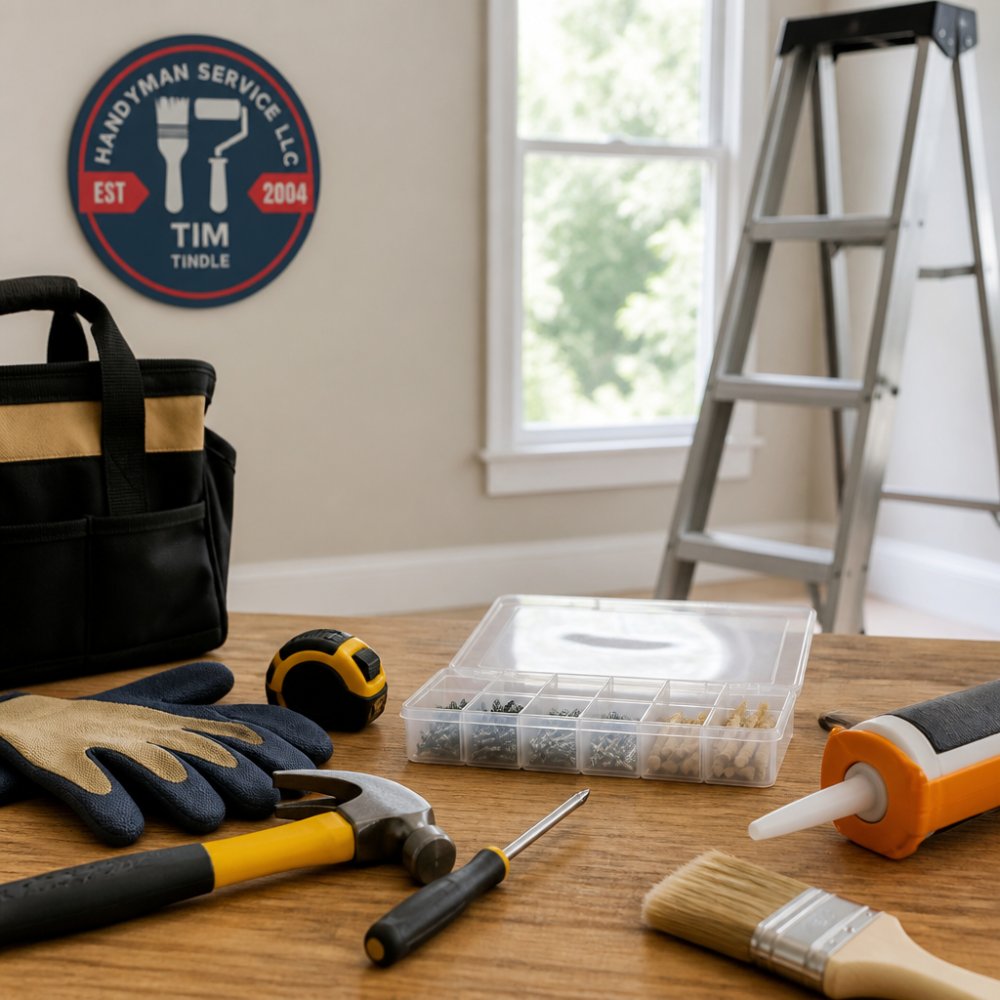
You do not need a full workshop. You need a starter kit that covers 90% of common home maintenance tasks for handymen.
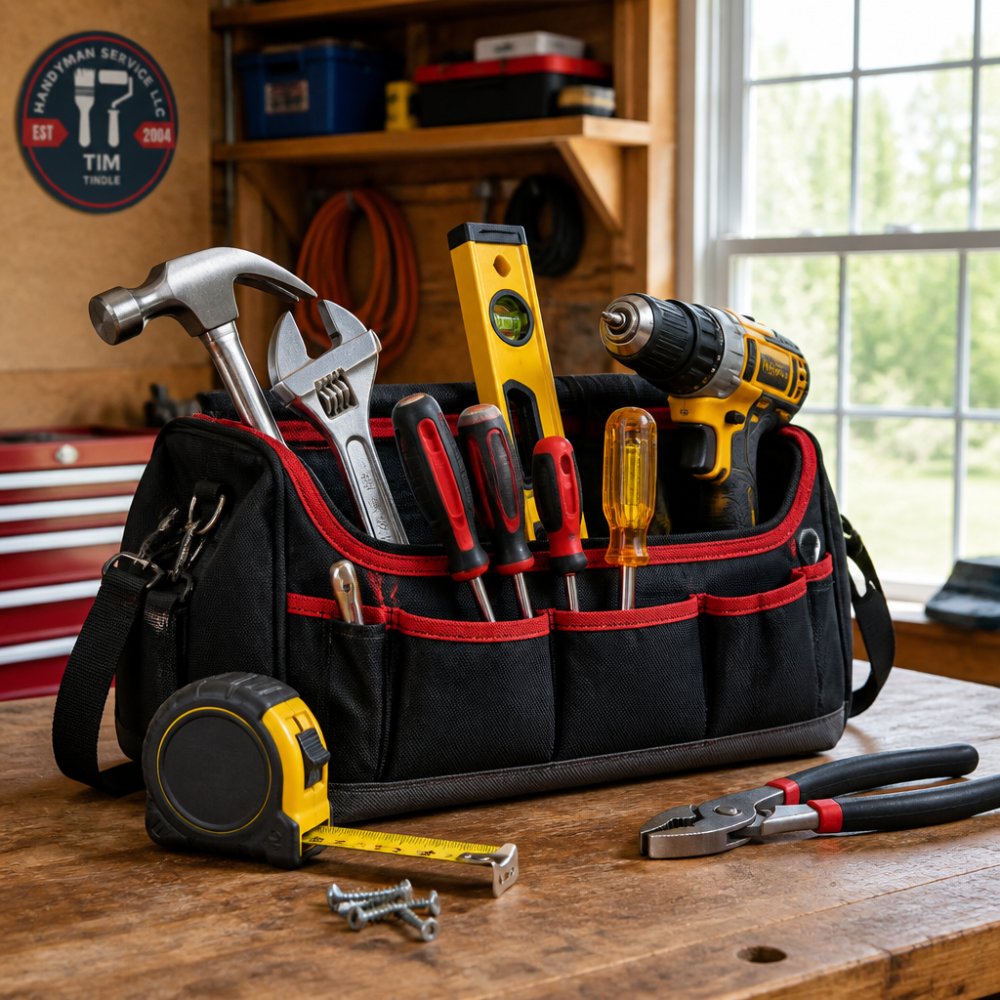
Here is what belongs in every beginner kit:
| Tool | Use It For | Priority |
|---|---|---|
| Cordless drill | Hanging, tightening, small repairs | Must-have |
| Adjustable wrench | Faucet cartridges, plumbing repairs | Must-have |
| Tape measure and level | Hanging shelves, framing | Must-have |
| Caulk gun | Re-caulking, sealing gaps | Must-have |
| Stud finder | Safe wall mounting | Nice-to-have |
| Flashlight and gloves | Safety, tight spaces | Must-have |
Keep a small "grab bag" with a screwdriver, pliers, and tape in a kitchen drawer. Most quick fixes never make it to the garage.
Plumbing and HVAC Maintenance Tasks That Prevent Costly Repairs
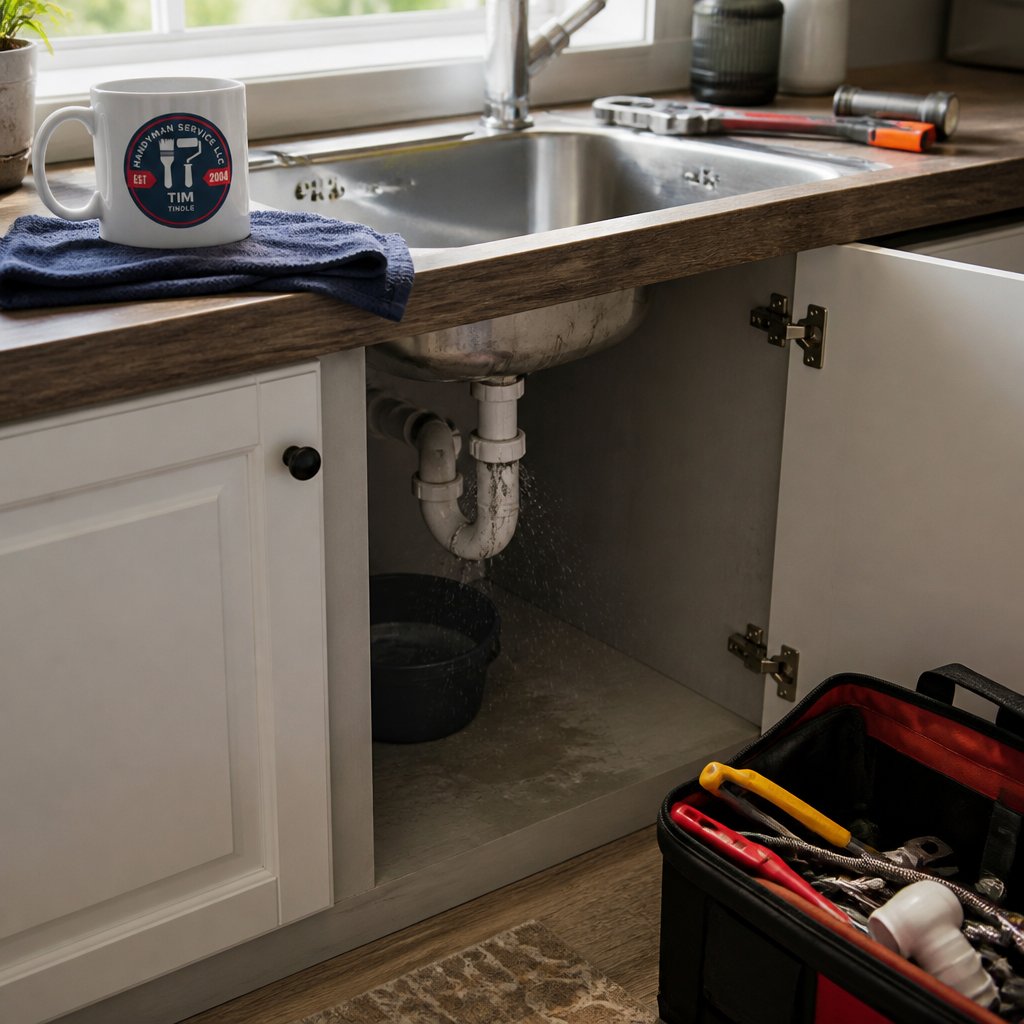
Plumbing and HVAC problems are the most expensive to ignore. Small leaks become joist replacement jobs. A dirty furnace filter shortens the life of your system.
Water Heater Flushing and Leak Detection
Water heater flushing removes sediment that builds up at the bottom of the tank. Sediment makes the heater work harder and shortens its life.
- Turn off the power or gas
- Connect a hose to the drain valve
- Drain a few gallons into a bucket
- Close the valve and refill
- Do this once a year
Safety Tasks: Smoke Detectors, Carbon Monoxide, and Electrical Fixes
Home safety protocols save lives. Smoke alarm testing and carbon monoxide detectors are the two tasks you should never skip. But knowing how to test them and when to replace them is where most homeowners fall short.
Smoke and Carbon Monoxide Detector Testing
Test smoke alarms once a month. Press the test button and wait for the alarm to sound. If it is weak or silent, replace the battery immediately.
Call 720-989-4123 for a free estimate →
- Test alarms monthly
- Replace batteries twice a year
- Vacuum detector covers to remove dust
- Never ignore a flickering light or warm outlet
- Replace smoke alarms every 10 years, CO detectors every 5-7 years
Electrical Safety Checks and the DIY Danger Threshold
Electrical fixes are where you should be careful. Replacing a light switch or an outlet cover is fine for most homeowners. Anything behind the panel is a job for a licensed pro.
Safe for most DIYers:
- Replacing a light switch or outlet (with the breaker off)
- Installing a new light fixture
- Replacing a cover plate
- Resetting a tripped breaker
Call a licensed electrician:
- Any work inside the main electrical panel
- Adding a new circuit or outlet
- Replacing a breaker
- Any wiring that smells hot, looks scorched, or feels warm
- Aluminum wiring repairs
- Any job that requires a permit
Exterior Home Upkeep: Gutters, Roof, and Siding Maintenance
Your exterior takes the hardest hit from weather. Gutter and downspout cleaning, roof checks, and siding maintenance protect everything underneath.
Never pressure wash vinyl or painted siding at full force. It drives water behind the panels and causes rot you will not see for months.
When to Call a Pro vs. DIY for Common Home Maintenance Tasks
Most homeowners can handle simple tasks. The trick is knowing your limits.
Do it yourself if:
- The task needs basic tools and no permit
- A mistake would not cause water, fire, or structural damage
- You can finish it in a weekend
Call a pro if:
- It involves gas, main electrical panels, or the main water supply
- You need a permit or inspection
- The job needs joist replacement or structural work
- You are not sure what you are looking at
Handyman Service Pricing Guide: What to Expect and How to Budget
A handyman service pricing guide helps you plan without surprises. Most providers charge by the hour or by the project, and rates vary by region and job type.
Here is how to budget smart:
- List every task before you call, so you get one clear estimate
- Ask how extras are handled before work starts
- Bundle small jobs into one visit to save on trip charges
- Request a written estimate with a clear scope
| Job Type | Who Usually Does It | Budget Approach |
|---|---|---|
| Faucet or filter swap | DIY | Low cost, buy the part |
| Drywall and painting | Pro or skilled DIY | Get a written estimate |
| Water heater flush | Pro | Annual service cost |
| Roof and structural | Licensed pro | Always get a quote |
Conclusion
Home maintenance rewards consistency.
If your list is getting long, you do not have to tackle it alone. Handyman Service Aurora offers licensed and insured service, free estimates, and local coverage across the Denver Metro area. We handle carpentry, painting, remodeling, and general repairs in one visit.
Frequently Asked Questions
What are the most common handyman services requested by homeowners?
Homeowners most often request drywall repair, caulking and weatherstripping, painting, minor plumbing fixes like faucet cartridge replacement, and carpentry work such as trim or cabinet repairs. Seasonal tasks like gutter cleaning and power washing are also frequent. Many of these fall under common home maintenance tasks that keep a property safe and efficient. A licensed handyman can handle multiple items in one visit, saving you from scheduling several contractors.
How do I create a home maintenance schedule for my property?
Start with a seasonal checklist: spring for roof and gutter inspections, summer for HVAC and exterior painting, fall for weatherstripping and furnace filter changes, and winter for pipe insulation and smoke detector testing. Use a digital home maintenance log to track dates and costs. Schedule routine inspections quarterly and annual maintenance for major systems. This approach prevents small issues from becoming expensive repairs and helps you budget for handyman service pricing.
What tasks should be left to a licensed professional handyman?
Leave electrical panel work, gas appliance repairs, major plumbing (like main water supply lines), and structural repairs such as joist replacement to licensed pros. Roof work and anything requiring permits also need a professional. For these tasks, verify licensing and insurance. A qualified handyman can handle many common home maintenance tasks, but knowing when to call a pro protects your home and your safety.
What tools are essential for basic home repair tasks?
A basic toolkit should include a hammer, screwdriver set (Phillips and flathead), adjustable wrench, pliers, tape measure, utility knife, level, and a cordless drill with bits. Add safety gear like gloves and goggles. For plumbing repairs, a plunger and pipe wrench help. These essential tools for home repairs cover most common fixes. Keep them in a portable bag so you can grab them quickly for routine inspection or emergency tasks.