 how-to
How Do You Winterize a Home in Aurora?
Last Updated: October 29, 2026
Quick Summary
To winterize a home in Aurora, start with exterior work: clean gutters, seal windows and doors, and insulate exposed pipes before the first hard freeze. Keep the thermostat at 55°F or higher in unoccupied homes and schedule furnace and chimney checks with a licensed pro. Professional winterization in Aurora runs $50 to $1,500 depending on the tasks involved.
- Clogged gutters are the number one cause of ice dams, so clean every run and flush downspouts.
- Keep the thermostat at 55°F or higher in unoccupied homes to help prevent frozen pipes.
- In this region, most guidance calls for roughly R-49 to R-60 of attic insulation, about 16 to 20 inches of loose-fill.
- Professional winterization inspections run $125 to $350, per Angi's 2026 pricing breakdown.
- Air seal the attic first, then add insulation, then confirm ventilation to help prevent ice dams.
Table of Contents
- Why Winterizing Your Aurora Home Can't Wait for the First Freeze
- Your Home Winterization Checklist: Start With the Exterior
- How to Prevent Pipes From Freezing Inside Your Walls
- Winterize Outdoor Faucets and Hoses Before the Ground Hardens
- Furnace Maintenance Before Winter: What to Check and When to Call
- Attic Insulation, Ventilation, and Ice Dam Prevention
- DIY or Hire a Pro? A Straight Cost-Benefit Breakdown
- Schedule Your Free Winterization Estimate Before the Cold Sets In
- Frequently Asked Questions
Why Winterizing Your Aurora Home Can't Wait for the First Freeze
Professional home winterization in Aurora runs $50 to $1,500 depending on the tasks involved, according to Angi's 2026 winterization cost data. That range hides the real point: a burst pipe or an ice dam costs far more than the prep work ever would. Homes that get sealed up in October generally fare better through winter than homes that wait.
Aurora winters are not gentle. Cold nights, hard freezes, and wind that pushes air through every gap in your envelope. Unprepared homes lose heat fast and freeze faster. The good news is that most of the work is simple, cheap, and doable in a weekend.
What Aurora Winters Actually Do to Unprepared Homes
Three failures show up again and again:
- Frozen pipes in exterior walls and unheated garages
- Ice dams that push meltwater under shingles
- Heat loss through drafty windows and thin attic insulation
Each one starts small and gets expensive. A frozen pipe that bursts can flood a room in minutes. An ice dam can rot a roof deck over one season. Drafty windows quietly raise your heating bill all winter.
The fix is a plan to winterize a home, not panic. Below, we walk through the full home winterization checklist, step by step, in the order that matters. If you want the broader seasonal task list for local homeowners, our guide to winter home maintenance tasks for Aurora homeowners covers the rest of the year.
Your Home Winterization Checklist: Start With the Exterior
Exterior work comes first because it protects the shell of the house. Do these jobs while the weather still cooperates. Once the ground hardens, some of them get much harder.
Gutters, Downspouts, and Roof Edges
Clogged gutters are the number one cause of ice dams. Water backs up, freezes at the roof edge, and starts pushing under shingles. Clean every gutter run and flush the downspouts until water flows freely. Check that downspouts drain at least 4 feet away from the foundation. Look for loose flashing and cracked sealant around roof penetrations while you're up there. Small roof maintenance now beats a spring leak repair.
Windows, Doors, and Air Sealing
Drafty windows and doors leak heat all winter. Seal them before the cold sets in:
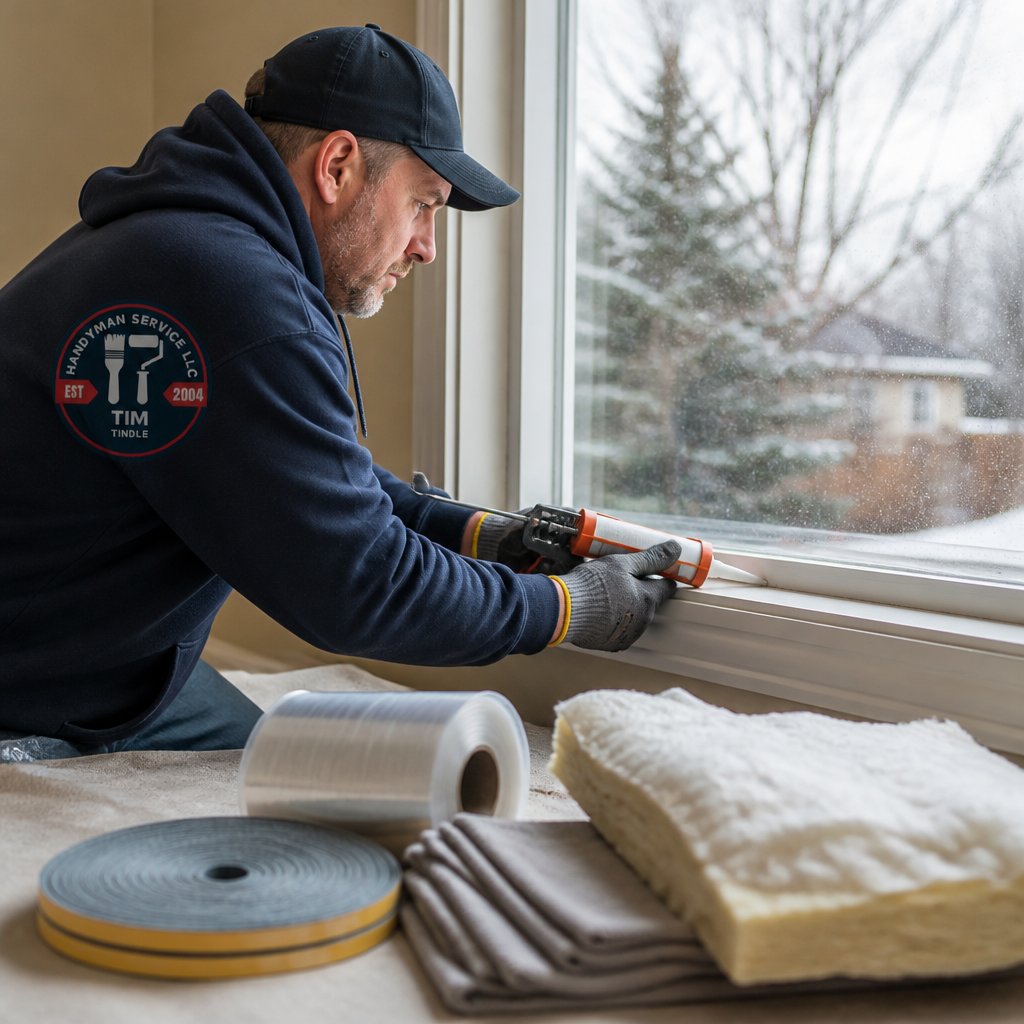
- Apply fresh caulk around exterior window and door frames
- Install weather stripping on moving parts
- Add door sweeps to exterior doors
- Seal gaps around pipes and vents with expanding foam
- Check the mail slot and dryer vent flap
Air leaks waste energy and make rooms uncomfortable. A tube of caulk and a roll of weather stripping cost little and pay back fast. For a deeper walkthrough, see our guide on fixing drafty window frames in winter.
How to Prevent Pipes From Freezing Inside Your Walls
Pipe insulation is your first line of defense. Foam sleeves on exposed pipes in basements, crawl spaces, and garages cost very little and stop most freezing. Seal gaps where pipes pass through exterior walls, because cold air funnels through those holes.
Here is how to prevent pipes from freezing in the rooms you can't see:
- Keep the thermostat at 55°F or higher in unoccupied homes, per Travelers' cold weather guidance
- Open cabinet doors under sinks on exterior walls
- Let a thin trickle run from the faucet furthest from the main on bitter nights
- Disconnect hoses and shut off exterior lines
- Insulate pipes in unheated garages and crawl spaces
Pipes in exterior wall cavities are the riskiest. If you can't reach them, keep warm air moving toward them. For unheated spaces, our guide on preventing frozen pipes in unheated garages goes deeper.
Winterize Outdoor Faucets and Hoses Before the Ground Hardens
Shut off the outdoor water supply first. Close the interior valve that feeds exterior faucets, then open each outdoor spigot to drain the line. Disconnect every hose and store it indoors. A hose left connected traps water in the faucet, and that water freezes and splits the pipe inside the wall.
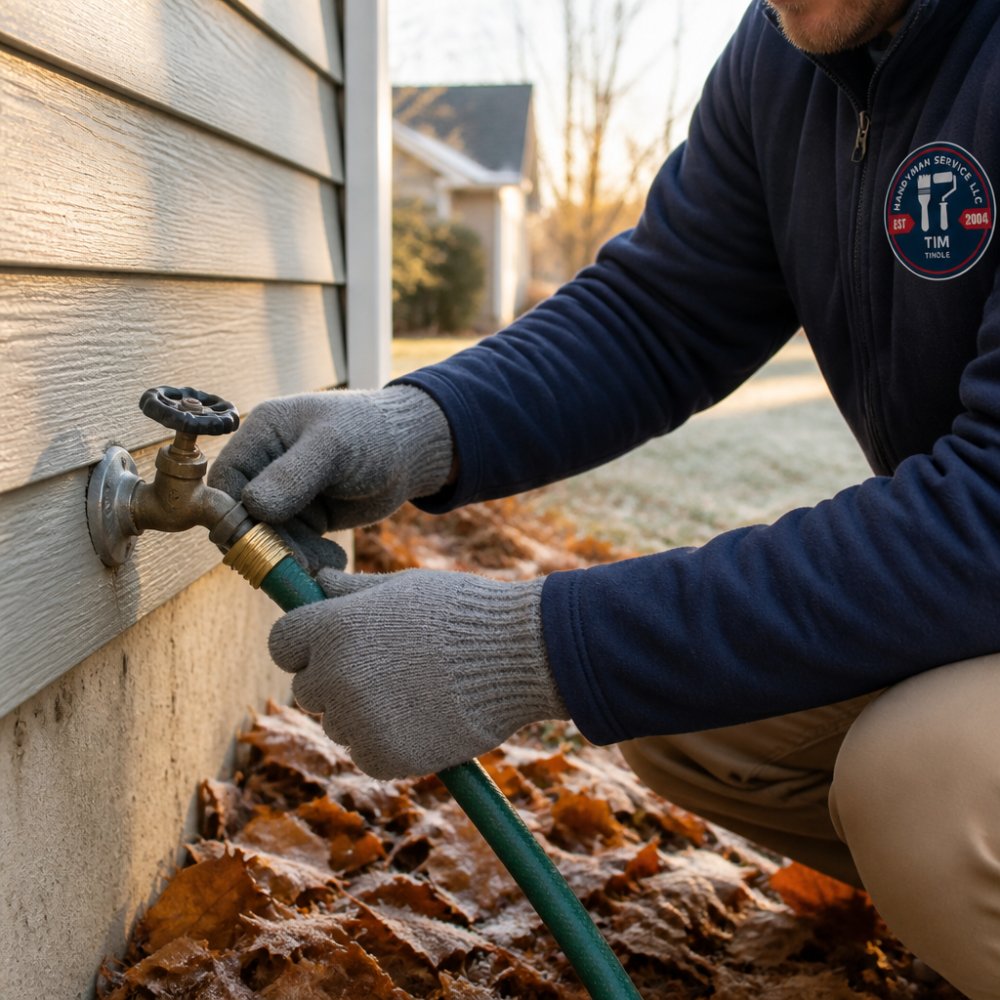
Install a foam faucet cover on each spigot for extra protection. If you have a sprinkler system, blow out the lines with compressed air before the first hard freeze. Exterior pipes are the most exposed part of your plumbing, and they're the easiest to protect.
Furnace Maintenance Before Winter: What to Check and When to Call
Furnace maintenance before winter is mostly a filter and airflow job. Change the furnace filter, clear the vents, and test the system on a mild day so you are not troubleshooting in a freeze.
Call 720-989-4123 for a free estimate →
Run through this list in order:
- Replace the furnace filter and vacuum return vents and registers
- Confirm no furniture or rugs block supply registers
Consider professional HVAC maintenance if the system is older or behaves unusually. A yearly tune-up can help catch small problems early.
Never skip the furnace check to save money. A cracked heat exchanger can leak carbon monoxide into the living space, and that is a safety hazard, not a comfort issue. If you smell gas or see soot around the unit, shut it off and call a licensed technician.
If you have a smart thermostat, set it to a schedule before the first freeze rather than adjusting it daily. A consistent setpoint uses less energy than repeated recovery cycles, and most units log runtime hours you can review to spot a furnace that is working harder than it should.
Attic Insulation, Ventilation, and Ice Dam Prevention
Attic insulation thickness and ventilation work together to help prevent ice dams. Warm air leaking from the living space into the attic melts snow on the upper roof. That meltwater runs down the slope, reaches the colder eaves, and refreezes. The ice grows into a dam, and the next melt backs water up under the shingles. The fix is a cold roof: keep the attic deck close to outdoor temperature with good insulation below and steady ventilation above.
Check these points:
- Measure insulation depth against the recommended R-value for your climate zone. In this region, most guidance calls for roughly R-49 to R-60 in the attic, which works out to about 16 to 20 inches of loose-fill fiberglass or cellulose. If you can see the joists, you are almost certainly under-insulated.
- Seal air leaks around light fixtures, the attic hatch, and plumbing penetrations before adding insulation, since air sealing keeps warm air from reaching the attic in the first place.
- Keep soffit vents clear so air moves in at the eaves and out at the ridge or gable vents. Add baffles if insulation blocks airflow at the soffits, a common mistake when a new layer is blown in over old material.
- Confirm exhaust fans from bathrooms and kitchens vent through the roof or wall, not into the attic. Warm, moist air dumped into the attic feeds both ice dams and mold.
- Watch for moisture and frost on the roof deck during cold snaps. Frost on the underside of the sheathing is a sign of warm air leaking up and poor ventilation.
Good ventilation also helps control moisture, which can reduce mold and protect the roof structure.
The order matters: air seal first, then add insulation, then confirm ventilation. Skipping the first step and going straight to a thicker layer is the most common reason a homeowner adds insulation and still gets ice dams the following winter.
A cheap way to find air leaks before you crawl into the attic: on a cold, windy day, hold a lit incense stick near the attic hatch, recessed lights, and the top of exterior walls. Smoke that wavers or gets pulled toward a gap shows you where to seal first.
DIY or Hire a Pro? A Straight Cost-Benefit Breakdown
Some jobs are safe for a homeowner. Others need a pro. Here's how we'd split it:
| Task | DIY Friendly? | Why It Matters |
|---|---|---|
| Weather stripping and caulking | Yes | Cheap, fast, low risk |
| Gutter cleaning | Yes, with care | Ladder risk is the main concern |
| Pipe insulation | Yes | Simple wrap-and-seal job |
| Furnace tune-up | No | Needs a licensed HVAC tech |
| Chimney sweep | No | Safety and creosote risk |
| Attic air sealing | Depends | Tight spaces, insulation handling |
Professional winterization inspections run $125 to $350, per Angi's 2026 pricing breakdown. That fee often pays for itself by catching one problem early. Complex heating systems and structural weak spots are where DIY falls short, and where a pro earns their keep. If you're weighing the trade-off, our guide on whether a professional handyman is worth the cost breaks down the math.
Watch out: skipping the furnace and chimney checks to save money is the mistake we see most. Those are the two systems where a small ignored issue becomes a safety hazard.
Schedule Your Free Winterization Estimate Before the Cold Sets In
The cold will not wait, and neither should your prep. Aurora's first hard freeze can arrive fast, and the homes that get sealed up early avoid the expensive surprises. Handyman Service Aurora is licensed and insured, serving Aurora, Foxfield, Parker, Centennial, and the Denver Metro with free estimates.
You get peace of mind from a local team that shows up and does the work right. Get started with Handyman Service Aurora and protect your home before the first freeze. Visit our handyman service page or call 720-989-4123 for a free estimate.
Frequently Asked Questions
When should you winterize your home in Aurora?
Aurora's first hard freeze typically arrives in October, so aim to finish winterizing by early to mid-October. Outdoor tasks like disconnecting hoses, blowing out sprinklers, and sealing drafts should happen before the first frost. Indoor checks, furnace maintenance, and attic insulation inspections can continue into November, but don't wait for a cold snap to schedule them. Professional winterization costs depend on the tasks involved, so contact Handyman Service Aurora for a quote.
How do you keep pipes from freezing in a house?
Keep your thermostat set to a steady temperature even when you're away, and open cabinet doors under sinks on exterior walls so warm air reaches the pipes. Insulate exposed pipes in the garage, basement, and crawlspace with pipe insulation sleeves. Seal gaps where pipes pass through exterior walls using caulk or expanding foam. If you leave town, ask someone to check the house or install a smart thermostat with freeze alerts. Frozen pipes that burst can cause thousands in water damage, so these steps are worth the effort.
How do you winterize outdoor faucets and hoses?
Disconnect all garden hoses and drain them before storing. Shut off the interior valve that feeds each outdoor faucet, then open the outdoor spigot to let remaining water drain out. For frost-free sillcocks, remove any attached hose so the valve can drain properly. Install insulated faucet covers on exterior spigots for extra protection. If your home has a sprinkler system, have it blown out with compressed air before the ground freezes. These steps take under an hour and prevent one of the most common winter plumbing failures.
How much does it cost to winterize a house?
Professional house winterization costs depend on the specific tasks required. For a free estimate on your Aurora home, call Handyman Service Aurora at 720-989-4123 to have your property assessed before temperatures drop.