 blog
Reliable Drywall Repair in Foxfield CO: What to Expect
Table of Contents
- Why Reliable Drywall Repair in Foxfield CO Matters for Your Home
- What Drives Drywall Patch Repair Cost in the Denver Metro
- Texture Matching and Finishing: Getting a Seamless Result
- How to Find a Licensed Drywall Contractor You Can Trust
- Interior Painting Services Aurora CO Residents Rely On After Repairs
- Post-Repair Maintenance: Keeping Walls in Good Shape
- Frequently Asked Questions
Last Updated: September 18, 2026
Why Reliable Drywall Repair in Foxfield CO Matters for Your Home
A cracked ceiling or a fist-sized hole in the wall is more than an eyesore. It signals moisture, settling, or impact damage that spreads if left alone. For homeowners searching for reliable drywall repair in Foxfield CO, the goal is simple: a repair that looks like it never happened and holds up through Colorado's seasonal shifts.
Common Drywall Problems in Foxfield Homes
Drywall damage in this region tends to follow predictable patterns. Understanding the cause determines whether a patch is enough or whether you need a larger repair.
- Settling cracks: Hairline cracks near door frames and ceiling corners appear as the foundation shifts with freeze-thaw cycles.
- Water damage: Stains, soft spots, and bubbling paint around windows or under bathrooms point to leaks that must be fixed before patching.
- Nail pops: Small bumps where fasteners push through the surface, common in older homes.
- Impact holes: Doorknob dents and furniture scuffs that break through the paper facing.
- Tape seams failing: Loose joint tape that peels away from the wallboard.
DIY vs. Professional Repair: A Decision Matrix
Not every repair needs a contractor. The U.S. Department of Housing and Urban Development home maintenance resources offers general guidance on assessing minor household damage, but the decision usually comes down to scope and finish quality.
| Situation | DIY-Friendly? | Why |
|---|---|---|
| Nail holes under 1 cm | Yes | Spackle, sand, prime, paint |
| Hairline settling cracks | Sometimes | May recur without addressing movement |
| Holes 10-15 cm | No | Requires backing, tape, and multiple coats |
| Water damage | No | Source must be fixed first; mold risk |
| Textured ceiling patch | No | Texture matching is difficult to blend |
| Large or multiple areas | No | Taping and finishing take skill |
What Drives Drywall Patch Repair Cost in the Denver Metro
Most guides list "size, texture, and access" and stop there. The useful version explains how each factor moves the number, so you can sanity-check a quote instead of guessing.
The cost drivers, in the order they usually matter
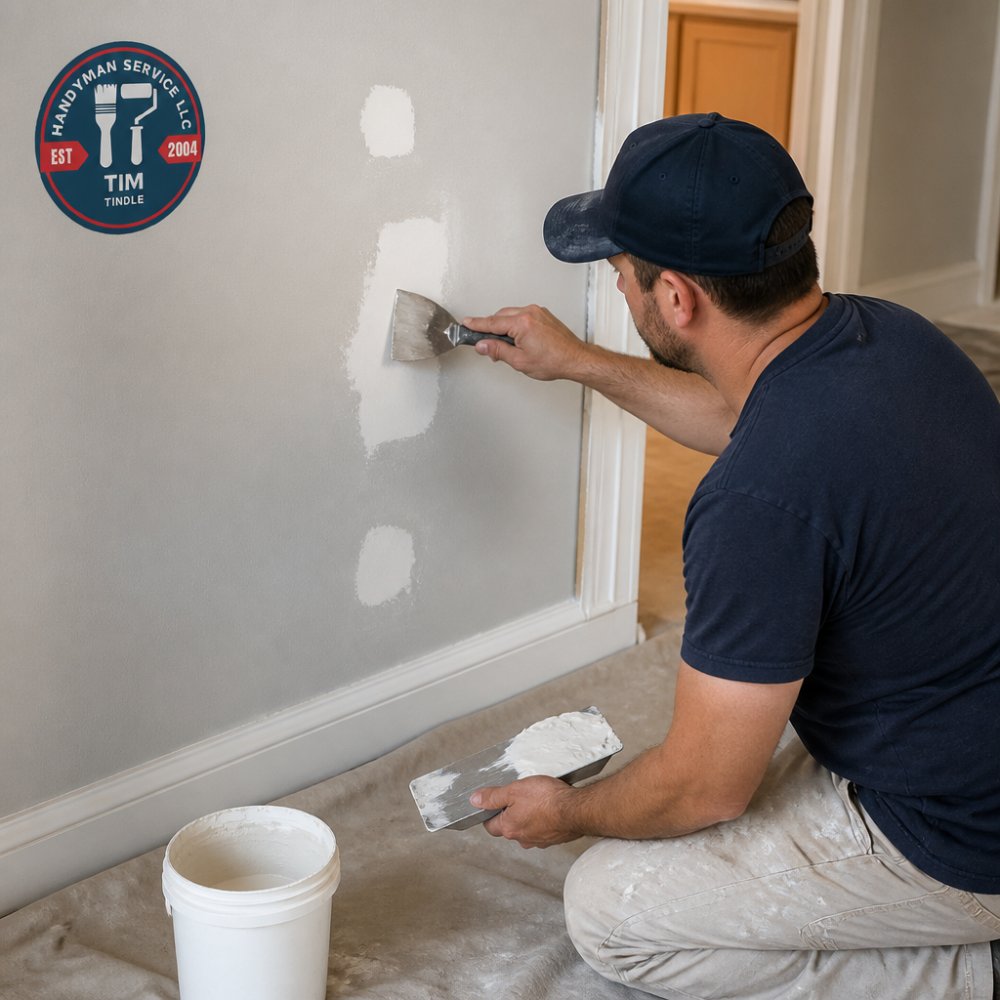
1. Square footage of the patch, not the hole. A 4-inch hole and a 4-foot hole can cost nearly the same to finish if both need backing, tape, and three coats of compound. What changes the price is how much surrounding wallboard has to come out to reach sound material. Water damage often means cutting back 12-24 inches past the visible stain.
What actually changes the price up or down
- Water damage vs. settling crack. A hairline settling crack is a surface repair. Water damage is a repair plus a moisture investigation, the leak has to be fixed before wallboard goes back, or the new patch fails.
- One patch vs. many. Multiple patches in one visit share setup, masking, and cleanup, so the per-patch price usually drops.
- Repaint scope. Patching only the repair area is cheaper than repainting a full wall, which is cheaper than a full room.
- Hidden conditions. Once the surface is opened, a contractor may find crumbling wallboard, mold, or a previous bad patch. A written estimate should state how those discoveries are priced.
How to read an estimate
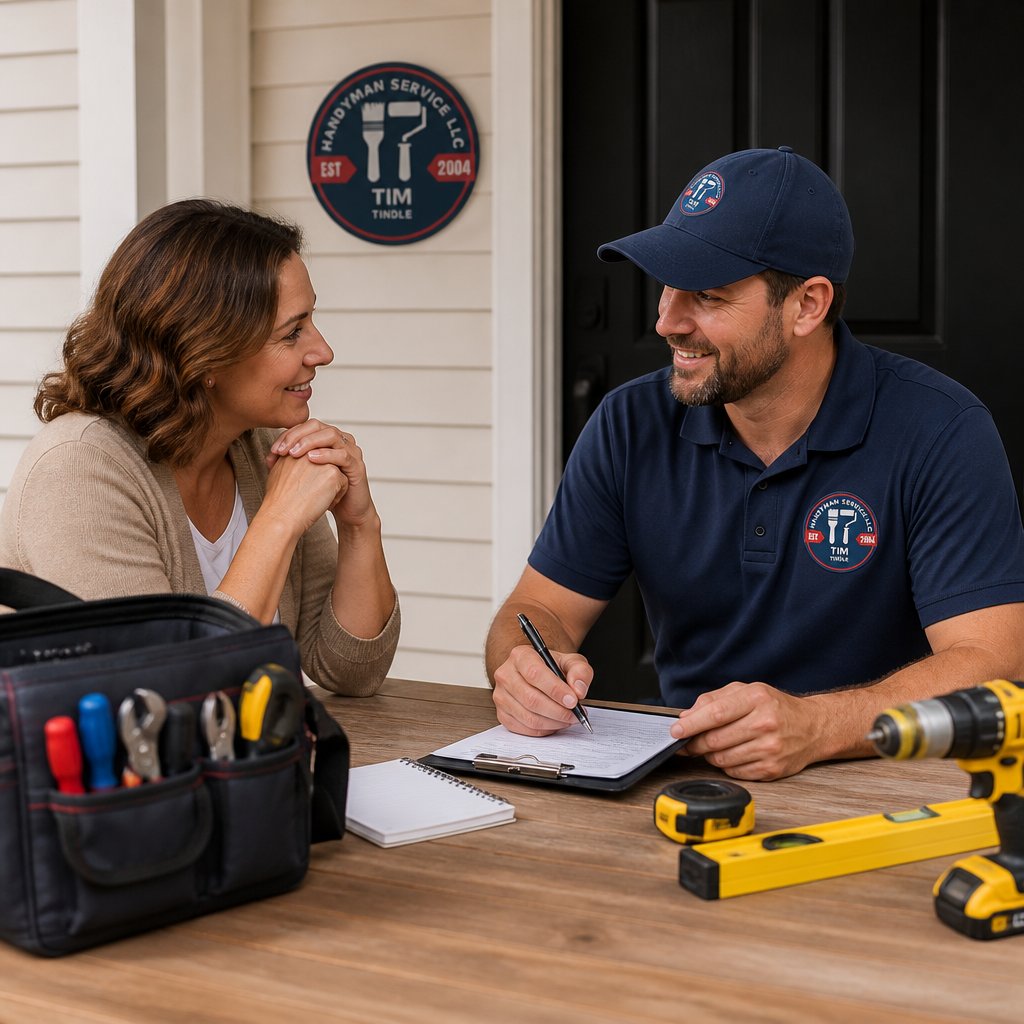
Ask for a written estimate that separates labor, materials, and paint. A single lump-sum line for "drywall repair" tells you nothing about what happens if the job uncovers something unexpected. A useful estimate also states:
- The number of finishing coats included
- Whether texture matching is included or billed separately
- Whether primer and paint are included, and how far the paint is feathered
- What triggers a change order and how it's priced
Texture Matching and Finishing: Getting a Seamless Result
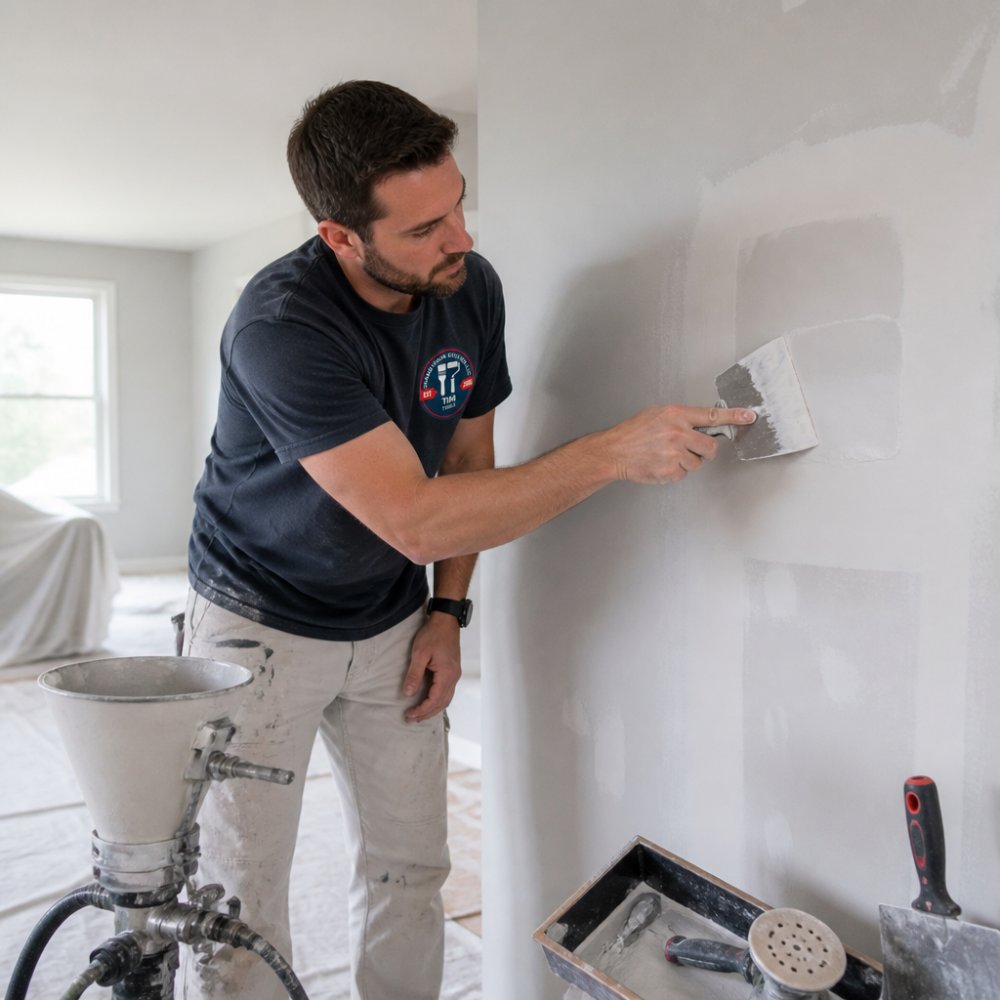
Texture matching is the step that separates an invisible repair from an obvious patch. The goal is to replicate the existing surface so light reflects the same way across the whole wall.
Matching Orange Peel, Knockdown, and Skip Trowel Textures
Orange peel is a light, stippled finish applied with a spray hopper. Matching it means thinning compound to the right consistency and adjusting air pressure until the splatter pattern matches the surrounding wall.
How to Find a Licensed Drywall Contractor You Can Trust
"Ask for a license and insurance" is the standard advice, and it's correct, but it's also where most guides stop. The useful part is knowing what to verify, how to verify it, and what a bad answer sounds like.
Call 720-989-4123 for a free estimate →
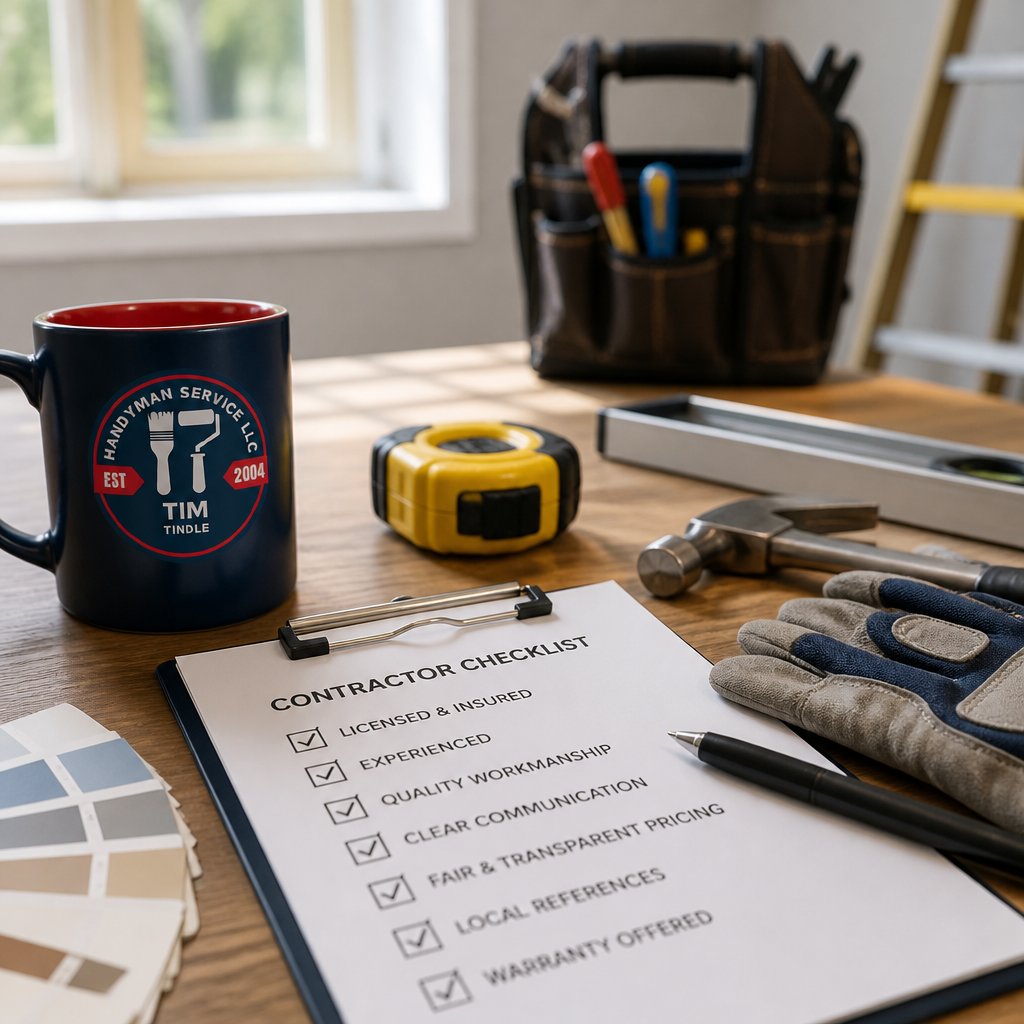
Verify credentials, don't just request them
- License. Licensing for drywall and handyman work varies by state and municipality. Ask for the license number and the name of the issuing authority, then confirm it directly with that authority rather than trusting a photo of a card. A legitimate contractor won't hesitate to give you the number.
- Insurance. Ask for a certificate of insurance showing general liability and, if they have employees, workers' compensation. Call the insurer listed on the certificate to confirm the policy is active, certificates can be outdated or forged.
- Business registration. A registered business name and a local address are basic signals. A contractor operating only through a phone number and a social media page is harder to hold accountable for warranty work.
What reliability actually looks like
Skill and reliability are different things, and reliability is what protects your schedule and budget. Watch for these patterns:
- Written estimates. A contractor who won't put scope and price in writing is a contractor you can't hold to anything.
- Clear scheduling. Ask when they'll start, how many days the job takes, and who will be on site. Vague answers usually mean the job is being fit around other work.
- Change-order process. Unexpected conditions are normal in drywall. What matters is whether the contractor documents the change and gets your approval before doing the extra work.
- Warranty in writing. Ask what's covered, for how long, and whether it covers labor, materials, or both. A verbal "we stand behind our work" isn't a warranty.
Questions to ask before you hire
- What's your license number, and who issues it?
- Can you provide a certificate of insurance I can verify?
- Will the estimate be written and itemized by labor, materials, and paint?
- Who exactly will do the work, and are they employees or subcontractors?
- How do you handle unexpected issues found during the repair, and how are they priced?
- What does your warranty cover, and for how long?
- Can you provide references from recent jobs in this area?
Red flags
- Pressure to pay a large deposit up front, or a request for cash only.
- No written contract or estimate.
- A price that's dramatically lower than every other quote, usually a sign of excluded scope or uninsured labor.
- Unwillingness to provide references or a physical business address.
- Door-to-door solicitation after a storm, when out-of-area crews follow damage.
A local business with a track record in your area is easier to reach for warranty work than a crew that moves on after the season. That matters more for drywall than for almost any other trade, because a repair that fails usually fails months later, after the next heating and cooling cycle.
Interior Painting Services Aurora CO Residents Rely On After Repairs
A finished repair is not finished until it's painted. New drywall and compound absorb paint differently than the surrounding wall, so a patch painted with the same color can still show as a dull or flashing spot.
Post-Repair Maintenance: Keeping Walls in Good Shape
A good repair lasts years if you keep moisture and movement in check. Maintenance is mostly about catching small problems before they spread.
- Check for new cracks near repaired areas after the first heating and cooling season.
- Fix leaks promptly. A slow drip behind a wall causes more damage than a burst pipe.
- Keep indoor humidity steady to reduce expansion and contraction.
- Touch up paint on high-traffic corners before the paper facing tears.
- Inspect ceilings after heavy storms if you've had roof or attic issues.
Frequently Asked Questions
How much does professional drywall repair cost in the Denver Metro area?
Drywall patch repair cost depends on the size of the damaged area, whether texture matching is needed, and if the wall requires priming and painting afterward. A small nail-hole patch costs far less than a large water-damaged ceiling section. Most contractors provide a free estimate after seeing the damage in person, so you get an upfront number before any work begins. Ask for a written quote that lists labor and materials separately.
Is it better to patch drywall or replace the whole sheet?
Patching works well for holes under about 6 inches, minor settling cracks, and small dents. Replacing the full sheet makes more sense when damage covers a large area, when the drywall has been wet and may hide mold, or when joints have failed across multiple seams. A licensed drywall contractor can assess whether a patch will blend invisibly or whether a partial sheet replacement gives a better long-term result.
Are handyman services licensed for drywall repair in Colorado?
Licensing rules in Colorado vary by trade and municipality, so it pays to verify credentials directly. Ask any provider for their license number, proof of general liability insurance, and workers' compensation coverage. A reputable local business will share these documents without hesitation. You can also check with your city or county building department to confirm whether the scope of work requires a permit.
How long does a typical drywall repair project take?
Small patches often take a few hours of active work, but drying time between coats of joint compound stretches the job across one to three days. Larger repairs involving texture matching, priming, and painting can take longer. Scheduling also matters: a busy contractor may need a few days' notice. Ask for a realistic timeline in writing so you can plan around the work.